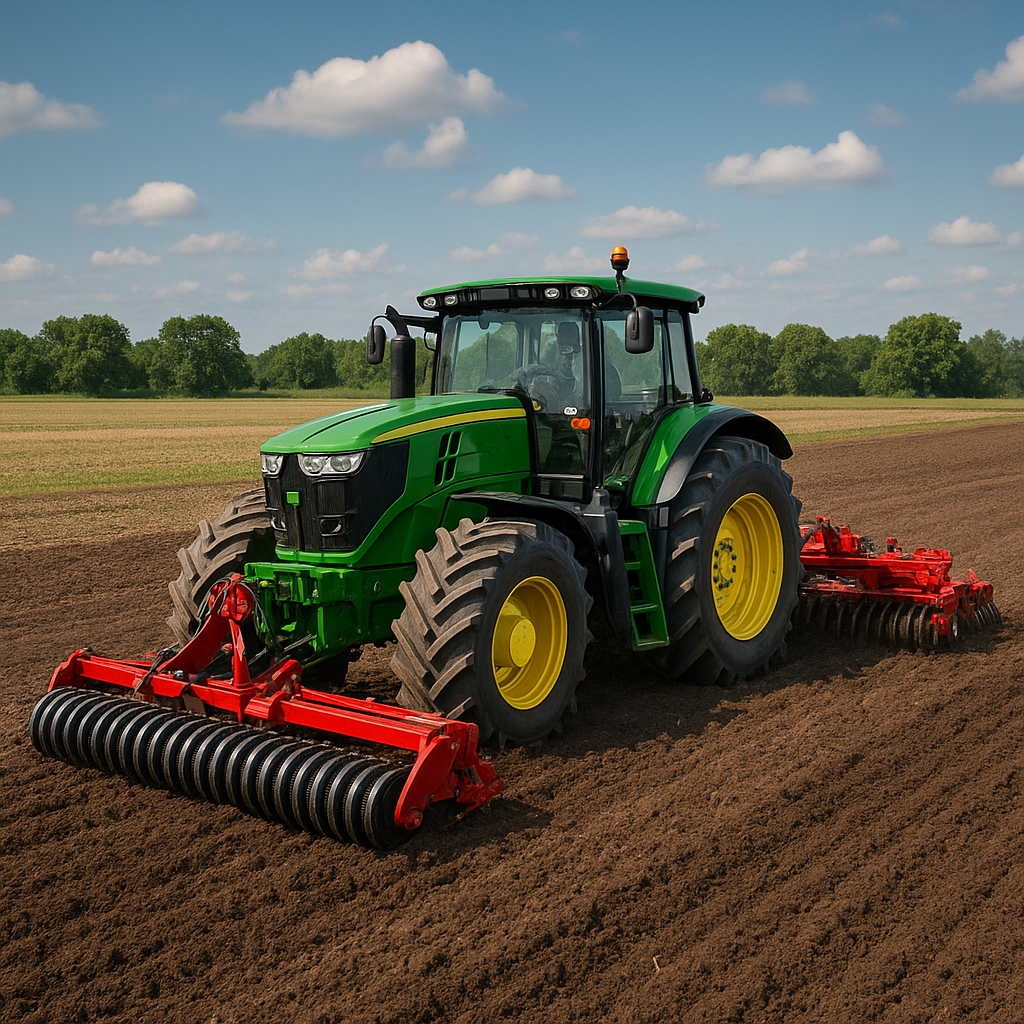
Operating a tractor for extended periods requires more than simply turning the ignition key. Farmers and operators seeking to maximize output must focus on machine preparation, operator well-being, and consistent performance monitoring. By incorporating smart strategies and the latest technology, each task becomes an opportunity to enhance efficiency and extend working hours without sacrificing safety or comfort.
Selecting and Preparing Your Tractor for Extended Use
Assessing Engine Health and Components
A healthy engine is the backbone of any prolonged farming operation. Begin by inspecting the oil level, coolant system, air filters, and belts. Replace worn components before they cause downtime. Regularly scheduled oil changes and filter replacements support long-term durability and minimize breakdowns in the field.
Fuel System Optimization
Choosing high-grade fuel and additives can improve combustion, reduce deposits, and maintain injector cleanliness. Drain and flush fuel tanks periodically to avoid sediment buildup. Keep spare fuel filters on hand and monitor fuel quality to sustain uninterrupted operation over countless hours of fieldwork.
Pre-Operation Checklist
- Check tire pressure and tread depth for proper traction.
- Verify hydraulic fluid levels and inspect hoses for leaks.
- Ensure lighting systems and indicators are functional.
- Test brakes, steering responsiveness, and PTO engagement.
- Confirm battery charge and connections are secure.
Completing a thorough pre-operation checklist ensures that critical systems won’t fail when you’re deep into a long shift.
Optimizing Operator Comfort and Ergonomics
Adjustable Seating and Controls
Modern tractor cabs feature adjustable seats, armrests, and control consoles. Position the seat to support your lower back and maintain a slight recline. Keep controls within easy reach to limit muscle strain. Investing time in proper setup reduces fatigue and elevates overall ergonomics.
Cabin Climate and Air Quality
A climate-controlled cab shields operators from extreme temperatures and airborne dust. Use high-efficiency particulate air (HEPA) filters to reduce allergens and debris. Improved air circulation not only increases comfort but also sharpens focus, which in turn boosts overall productivity.
- Set temperature controls to a moderate level.
- Use seat ventilation or heating if available.
- Wear protective gear to regulate personal body temperature.
- Take micro-breaks every two hours for stretching.
Implementing Efficient Field Techniques
Route Planning and Coverage Patterns
Strategic planning of travel routes reduces overlap and idle time. Use GPS-guided auto-steer systems to align passes precisely. Implement headland turns that minimize turning radius and soil compaction. Tracking field boundaries and obstacles ahead of time increases efficiency and conserves fuel.
Optimal Speed and Gear Selection
Maintaining consistent speed in the correct gear enhances soil turnover and implement performance. Each tractor model has a sweet spot in RPM range where power output and fuel consumption balance yield the best results. Monitor tachometer readings and adjust settings for varying loads.
PTO and Implement Management
Match power take-off (PTO) speed to the operational needs of attached implements. Excessive PTO RPM can overload the tractor and wear components prematurely, while too low an RPM decreases output. Consult manufacturer guidelines to set the appropriate PTO engagement.
Monitoring and Maintaining Performance
Telematics and Onboard Diagnostics
Many modern tractors include telematics platforms that report engine hours, fuel usage, and error codes in real time. By reviewing these metrics, you can plan maintenance proactively, reducing unplanned downtime. Analytics dashboards help managers track machine health and schedule service intervals for maximum maintenance efficiency.
Routine Checks During Operation
- Monitor oil pressure and coolant temperature gauges.
- Listen for unusual noises that may signal mechanical issues.
- Inspect tires for foreign objects or pressure changes.
- Verify hydraulic response under load to detect leaks early.
Stopping briefly every few hours to perform these checks can prevent minor issues from escalating into costly repairs.
Ensuring Safety During Long Hours
Fatigue Management and Break Scheduling
Long shifts on a tractor can lead to operator fatigue, risking injury and lowered safety standards. Implement a schedule that includes adequate breaks, hydration, and light nutrition. Employ the buddy system where possible to ensure someone checks in periodically.
Visibility and Signaling
Working during dawn, dusk, or low-light conditions demands reliable lighting and reflective signage. Keep all LED work lights, hazard beacons, and rear-view cameras clean and unobstructed. Proper illumination enhances reaction time around obstacles, livestock, and personnel.
Emergency Preparedness
- Carry a well-stocked first aid kit within easy reach.
- Ensure fire extinguishers are serviced and accessible.
- Keep communication devices charged and stored securely.
- Brief all team members on emergency shutdown procedures.
Being ready for unexpected situations maintains a culture of safety that protects both operator and equipment.
Maximizing Tractor Lifecycle and Value
Scheduled Overhauls and Part Replacements
Adhering to manufacturer service intervals for major overhauls preserves resale value and operational durability. Replace high-wear items such as brake pads, hydraulic seals, and filters at recommended intervals. Maintain detailed service records to track performance trends over time.
Upgrading Technology and Implements
Investing in precision farming tools and modern implements extends the capability of older tractors. Retrofit GPS guidance, automatic section control, and variable-rate applicators to save on inputs and increase yield. Each technological upgrade contributes to enhanced productivity and long-term cost savings.
- Analyze return on investment for each upgrade.
- Seek compatibility between tractor electronic systems and new devices.
- Train operators on new features to ensure full utilization.
By approaching tractor operation with a holistic view—covering mechanical readiness, operator ergonomics, field strategy, performance tracking, maintenance, and safety—you can confidently run extended shifts without compromising results. These practices ensure that both machine and operator remain in peak condition throughout demanding seasons, ultimately boosting yield and profitability.