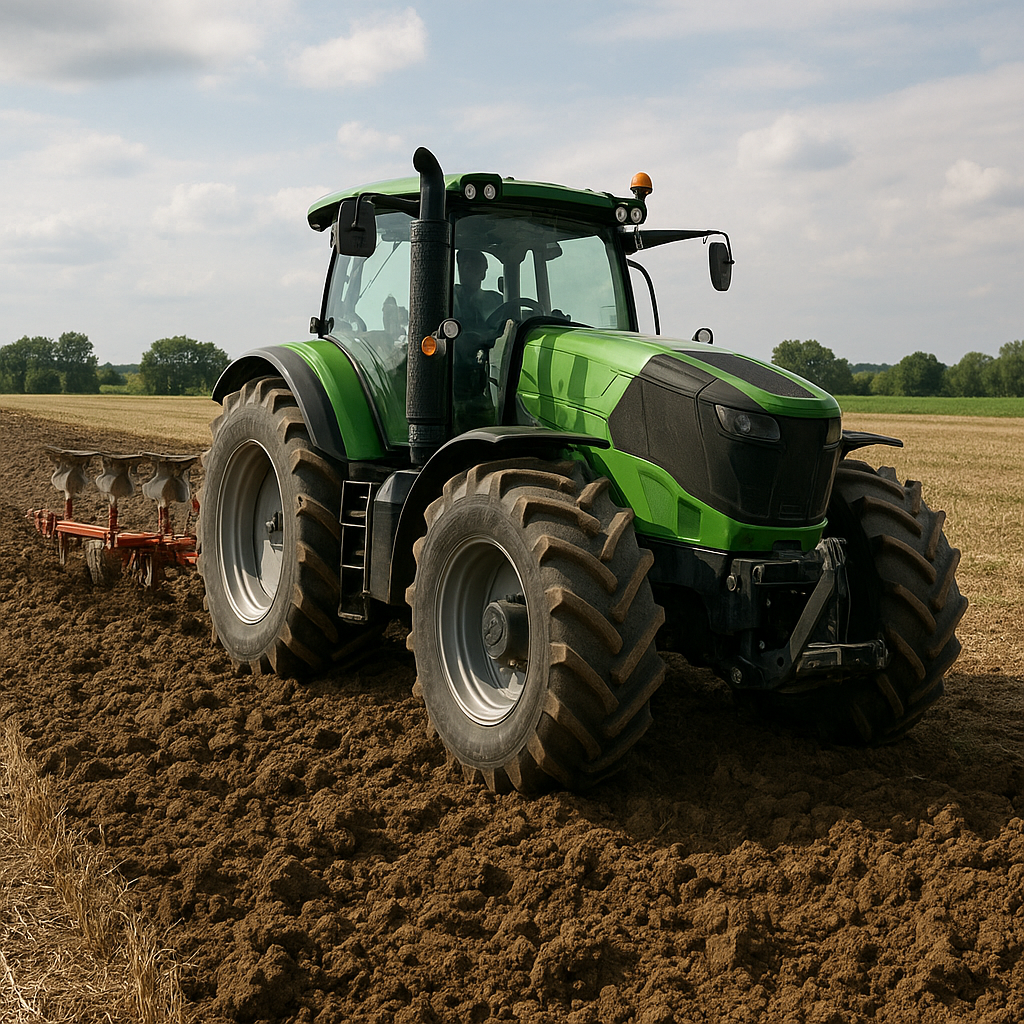
Buying a tractor marks a significant investment in your agricultural or landscaping endeavors, yet it comes with a steep learning curve. Many newcomers overlook crucial steps, leading to costly mistakes and unnecessary downtime. This guide highlights common pitfalls that new owners face, helping you avoid frustration and ensure your machinery remains in top condition. By focusing on proper selection, routine maintenance, safe operation, and diligent record‐keeping, you can maximize your tractor’s performance and lifespan.
Choosing the Wrong Tractor for Your Needs
Selecting an ill‐fitting model can hamper productivity from day one. When you ignore important factors, you may end up with equipment that’s either underpowered or overly complex for your tasks.
Overlooking Key Specifications
- PTO horsepower: Many buyers underestimate the power required for implements like balers or rotary cutters. Always match your tractor’s PTO output to the demands of your equipment.
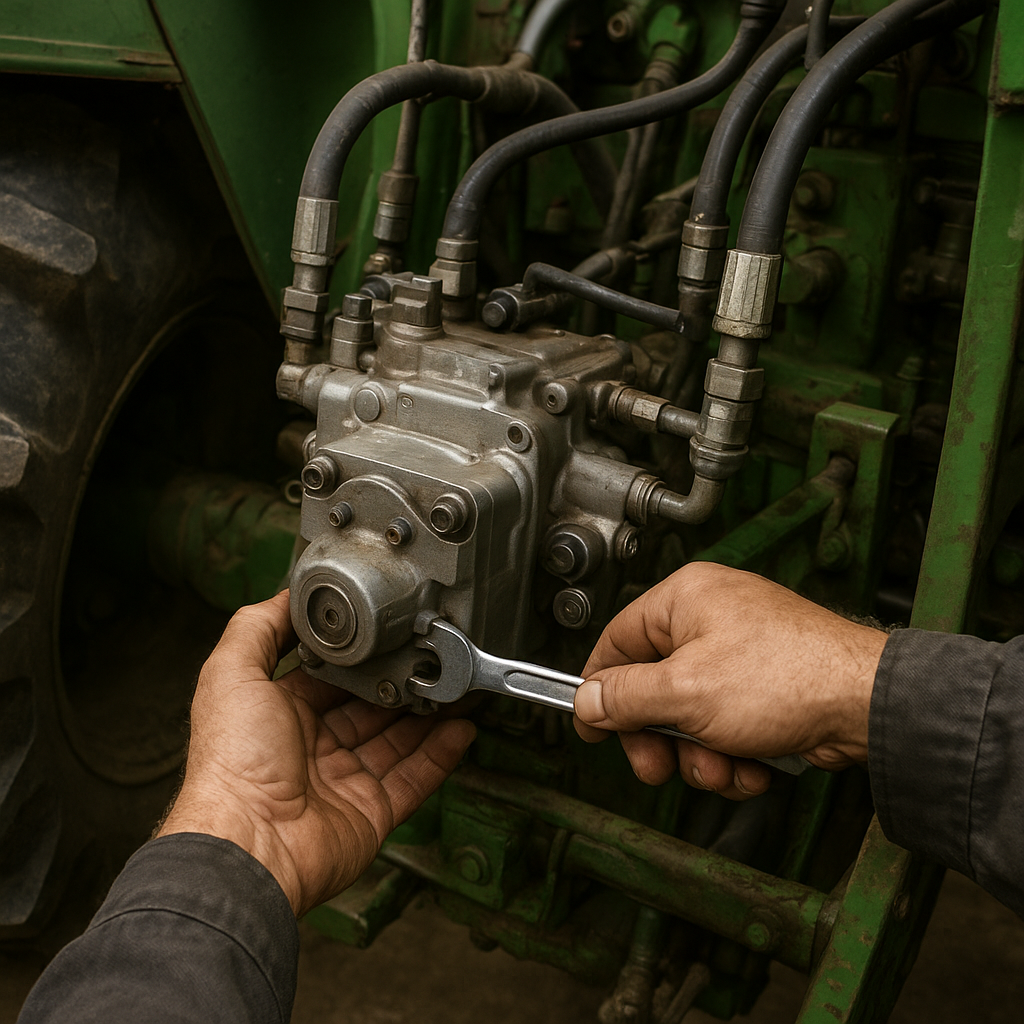
- hydraulics capacity: Insufficient hydraulic flow can slow down loader operations and reduce efficiency.
- Weight and stability: A heavy tractor might struggle in soft ground, while a light unit can tip when lifting heavy loads.
Ignoring Future Requirements
- Growth plans: If you intend to expand acreage or diversify crops, anticipate the need for more powerful attachments.
- Attachment compatibility: Verify that the tractor’s 3‐point hitch and linkage can accommodate implements you may purchase down the line.
- Budget constraints: While stretching your budget may tempt you to downsize, underinvesting can lead to frequent upgrades and higher long-term costs.
Neglecting Regular Maintenance
Skipping scheduled care not only voids warranties but also reduces reliability and safety. A diligent routine can prevent major breakdowns.
Skipping Routine Checks
- Daily inspections: Check for loose bolts, worn belts, and fluid leaks before each use.
- Service intervals: Follow the manufacturer’s guidelines for oil changes, air filter cleaning, and greasing points.
- Seasonal preparations: Winterize or de-winterize your tractor to avoid corrosion and fuel degradation.
Not Monitoring Fluid Levels
Running a tractor low on coolant, oil, or fuel can cause severe engine or hydraulic damage. Always top off these critical fluids and use the correct grades specified in your operator’s manual.
Improper Use of Attachments and Implements
Attachments enhance versatility, but misusing them risks both the tractor and operator. Understanding weight limits and connection protocols is essential.
Mismatched Implements
- Overpowered attachments: Forcing a too-large plow can strain the engine and drivetrain.
- Undersized tools: A small rotary cutter on a powerful tractor wastes performance potential and may lead to operational inefficiencies.
- Incorrect hitch settings: Always adjust the top link and draft arms to the right height for each implement.
Overloading the Tractor
- Loader capacity: Exceeding lift limits damages the loader arms and can overturn the tractor.
- Tire load ratings: Check the maximum weight your tires can safely carry to avoid blowouts or uneven wear.
- Balance issues: Keep heavier implements close to the rear axle to maintain traction and steering control.
Safety Oversights
Operating any heavy machinery without proper precautions can lead to serious accidents. Never cut corners on training and protective measures.
No Proper Training
- Operator courses: Enroll in hands-on classes to learn safe operation techniques, including maneuvering on slopes.
- Familiarization runs: Practice in a controlled environment before tackling challenging fields or hills.
Ignoring Protective Gear
- Roll‐over Protection Structure (ROPS): Ensure your tractor has a certified ROPS and always fasten the seat belt.
- Personal protective equipment: Wear gloves, sturdy footwear, and hearing protection when needed.
Failing to Keep Records and Documentation
Proper record‐keeping is often underestimated, yet it’s vital for long-term performance and resale value. Tracking your tractor’s history helps diagnose issues and plan future service.
Missing Maintenance Logs
- Date and mileage: Note every oil change, filter replacement, and major repair.
- Parts and fluids used: Document part numbers, lubricants, and any modifications to preserve warranty coverage.
Ignoring Operator Manuals
- Specification references: Manuals list torque settings, fluid capacities, and safety warnings crucial for proper care.
- Troubleshooting guides: Use factory troubleshooting charts to quickly identify and resolve performance issues.