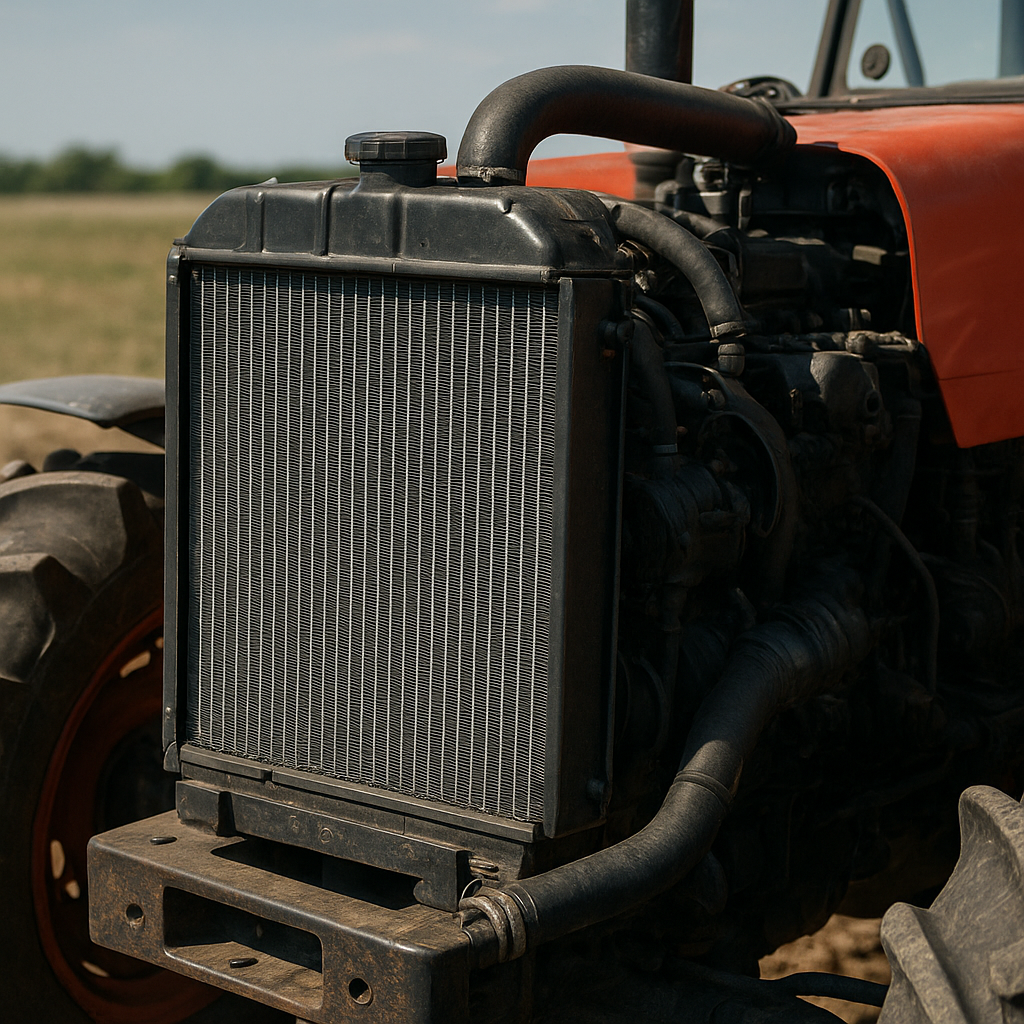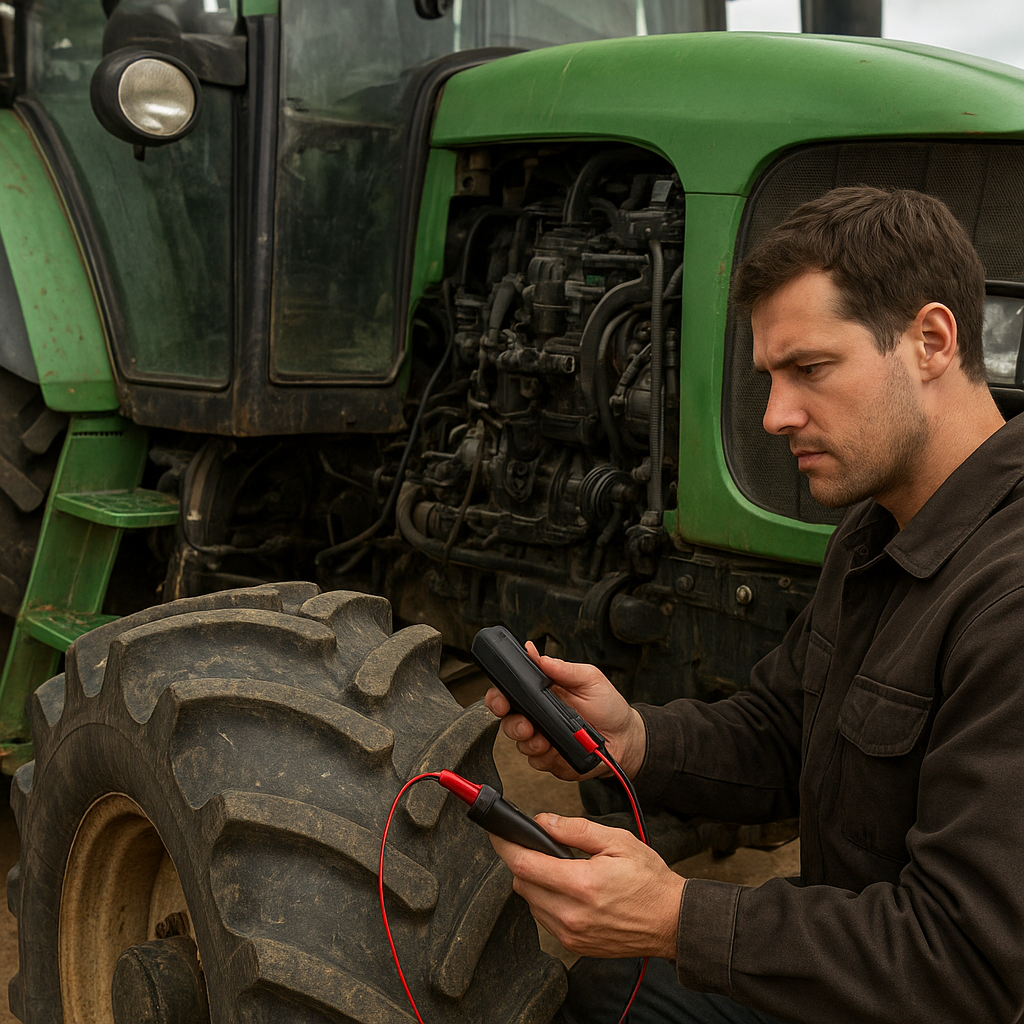
Troubleshooting starting issues in tractors can be a challenging task for both seasoned mechanics and hobby farmers. This guide covers essential steps to diagnose and resolve common problems, ensuring that your tractor starts reliably. Whether you operate a small utility machine or a heavy-duty agricultural rig, understanding the interplay between the battery, ignition, starter motor, and fuel delivery systems is crucial. Follow this comprehensive walkthrough to get your tractor back to work quickly and safely.
Identifying Common Starting Problems
Before diving into repairs, observe the symptoms when attempting to start the engine. These signs will steer your diagnosis toward the right component. Keep an eye out for:
- Clicking sound without engine turnover
- Crankshaft turning slowly or not at all
- Engine cranking but not firing
- Smoke or unusual odors during starting
- Dashboard warning lights flashing or dim
By distinguishing between a purely electrical failure and a mechanical hold-up, you can save time and avoid unnecessary part replacements.
Diagnostic Procedures and Tools
Proper diagnostics begin with the right tools. Equip yourself with:
- Digital multimeter (12–24V capacities)
- Battery hydrometer or conductance tester
- Starter draw tester
- Fuel pressure gauge
- Basic hand tools: wrenches, screwdrivers, pliers
- Insulated gloves and safety glasses
Start by measuring battery voltage with the multimeter. A fully charged 12V battery should read around 12.6–12.8 volts when the engine is off. If the voltage drops significantly (below 12.2V) during cranking, the battery or charging system may be at fault.
Electrical System Issues
Battery and Cables
The battery is the heart of the starting circuit. Corroded terminals or loose connections can rob the starter of necessary power. Inspect the battery posts for greenish deposits or white powder. Clean terminals with a wire brush and apply a thin coat of dielectric grease. Verify that cable connections are snug and free of fraying.
Starter Motor and Solenoid
A failing starter motor often exhibits a rapid clicking noise when the solenoid attempts to engage. Use a starter draw tester to measure current draw. Excessive amps indicate internal binding or worn brushes, while insufficient draw may point to armature or windings damage. Remove the starter and bench-test it if readings fall outside manufacturer specifications.
Ignition Switch and Wiring
The ignition switch and associated wiring harness deliver the signal to the starter solenoid. Intermittent starting or no response can result from loose connectors, broken wires, or a faulty switch. Trace circuits using a multimeter, checking for continuity between the switch and solenoid terminal when the key is turned to the start position. Repair or replace damaged wiring and connectors.
Mechanical Component Troubleshooting
Fuel Delivery and Air Intake
Even if the starter cranks smoothly, a lack of fuel or blocked air intake can prevent the engine from firing. Examine the fuel filter and lines for clogs or leaks. For diesel engines, bleed the system of air and verify that the lift pump generates adequate pressure (typically 4–7 psi for most tractors). Inspect the air filter and intake snorkel for debris accumulation.
Compression and Valve Train
Proper compression is essential for ignition. Perform a compression test by installing a gauge in the glow plug or spark plug hole. Readings should meet the specifications outlined in the operator’s manual (often above 300 psi for diesel and 120 psi for gasoline engines). Low compression may indicate worn piston rings, leaking valves, or head gasket failure.
Glow Plugs and Preheat System (Diesel Tractors)
Diesel engines rely on glow plugs to heat air in the combustion chamber. Cold starting issues may stem from defective glow plugs or a malfunctioning preheat relay. Test each glow plug’s resistance with an ohmmeter; values above the recommended range signify a bad plug. Check the relay and control module for power delivery when the preheat switch is activated.
Preventive Maintenance Tips
Regular maintenance reduces the likelihood of startup headaches. Adopt these practices:
- Schedule battery and charging system checks twice a year
- Inspect cables and wiring harness for wear or damage
- Change fuel filters every 200–300 hours of operation
- Replace air filters according to manufacturer intervals
- Perform compression and leak-down tests annually
- Keep solvent and lubricants on hand for quick cleaning
- Document all inspections and repairs in a maintenance log
By staying proactive, you’ll lengthen the life of critical components and minimize downtime. A tractor that starts smoothly is a reliable partner in the field, ready to handle planting, harvesting, and heavy-duty chores without delay.