Effective programs for tractor operators emphasize both technical prowess and unwavering adherence to industry norms. By integrating structured curricula, hands-on experience, and continuous evaluation, organizations can foster a workforce capable of handling diverse agricultural and industrial tasks with confidence.
Foundations of Tractor Operator Proficiency
The journey toward becoming a competent operator begins with a solid understanding of basic mechanics and controls. Before anyone climbs onto the seat, they should be familiar with the following elements:
- Identification of all primary controls and gauges.
- Understanding engine functions and power distribution systems.
- A clear overview of attachments, such as plows, mowers, and loaders.
Orientation Sessions
Orientation serves as the cornerstone for any training curriculum. These sessions typically include:
- Facility tours highlighting workshop zones and safety stations.
- Introduction to standard operating procedures (SOPs).
- Familiarization with signage, color codes, and equipment labels.
The Role of Simulators
Advances in technology have brought realistic simulation modules to the forefront. Simulator-based modules help trainees develop confidence in a risk-free environment. Key benefits include:
- Immediate feedback on control inputs.
- Ability to replicate adverse conditions, such as wet or sloped terrain.
- Reduction in wear and tear on actual machinery.
Implementing Comprehensive Safety Protocols
Safety is paramount in all aspects of tractor operation. A robust safety program mitigates risks, protects personnel, and ensures operational continuity. Core components encompass:
- Pre-Operational Inspections: Daily checklists to verify fluid levels, tire pressure, lighting, and brakes.
- Emergency Procedures: Clear instructions on shutdown, evacuation, and first-aid protocols.
- Personal Protective Equipment (PPE): Proper use of gloves, helmets, and high-visibility clothing.
Hazard Identification and Mitigation
Successful operators must learn to recognize potential hazards before they escalate. Training modules should cover:
- Mapping work zones and marking obstacles.
- Evaluating weather conditions for wind, rain, and temperature extremes.
- Implementing lockout/tagout procedures for maintenance.
Compliance and Record-Keeping
Maintaining meticulous records ensures compliance with regulatory standards and helps track performance improvements. Essential practices include:
- Logging inspection results and corrective actions.
- Documenting hours of service to prevent fatigue-related incidents.
- Retaining certification and refresher course credentials.
Advanced Skills and Efficiency Techniques
Once the basics are mastered, trainees can progress to advanced maneuvers and productivity enhancement. This stage focuses on optimizing the operation of tractors under various conditions.
Precision Driving and Load Management
Key objectives include:
- Accurate alignment when hitching implements.
- Managing load distribution to prevent tipping.
- Maintaining consistent speed for uniform planting or harvesting.
Terrain Adaptation
Operators must adjust their approach depending on field conditions. Training should address:
- Techniques for handling slopes, including straight-line ascent and controlled descent.
- Strategies for navigating muddy or uneven surfaces.
- Methods to prevent soil compaction and minimize environmental impact.
Fuel Economy and Time Management
Improving efficiency directly influences operational costs and turnaround times. Recommended practices:
- Optimal RPM ranges for fuel savings.
- Route planning to reduce idle time and redundant passes.
- Integration of GPS-based precision agriculture tools.
Maintenance and Troubleshooting Fundamentals
Regular maintenance extends the lifespan of equipment and prevents costly downtime. A systematic approach ensures tractors remain in top condition.
Routine Service Schedule
A standard maintenance timeline often includes:
- Daily visual inspections of belts, hoses, and fluid reservoirs.
- Weekly lubrication of moving parts.
- Monthly cleaning of air filters and cooling systems.
- Seasonal checks for hydraulic systems and electrical components.
Basic Repair Techniques
Operators with mechanical skill can address minor issues without calling a technician. Training should cover:
- Changing oil and filters safely and effectively.
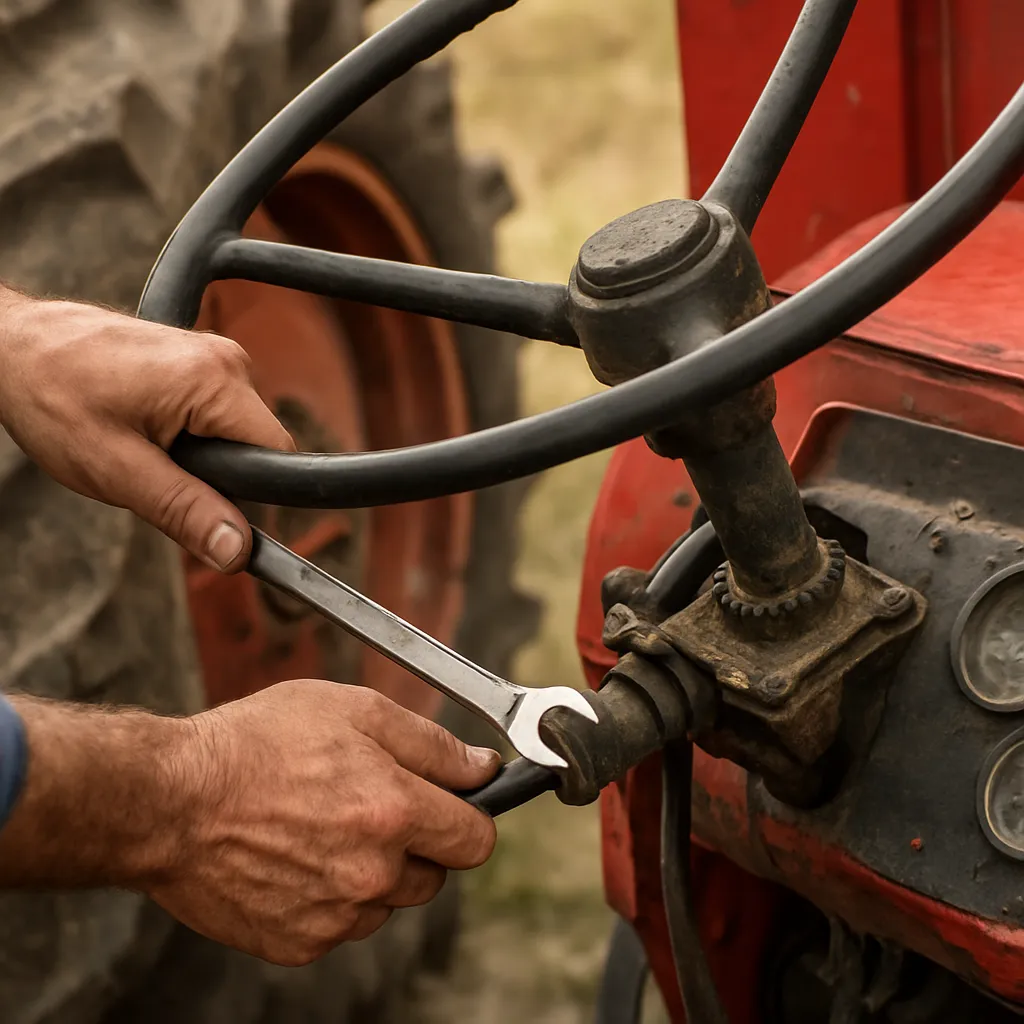
- Tightening loose bolts and replacing worn belts.
- Diagnosing battery, starter, and alternator malfunctions.
When to Seek Professional Support
Certain problems require specialized expertise. Recognizing the limits of in-house fixes avoids exacerbating failures. Trainees must learn to:
- Document symptoms and error codes for technicians.
- Shutdown units immediately if critical failures occur.
- Coordinate with certified service providers.