The future of agriculture is being reshaped by advancements in AI-driven machinery, and tractors stand at the forefront of this transformation. As fields become smarter and demands on productivity intensify, farmers turn to cutting-edge technology to optimize every aspect of crop cultivation. From planting to harvesting, AI-powered tractors promise to deliver unprecedented levels of efficiency, precision, and sustainability.
Integration of AI in Modern Tractors
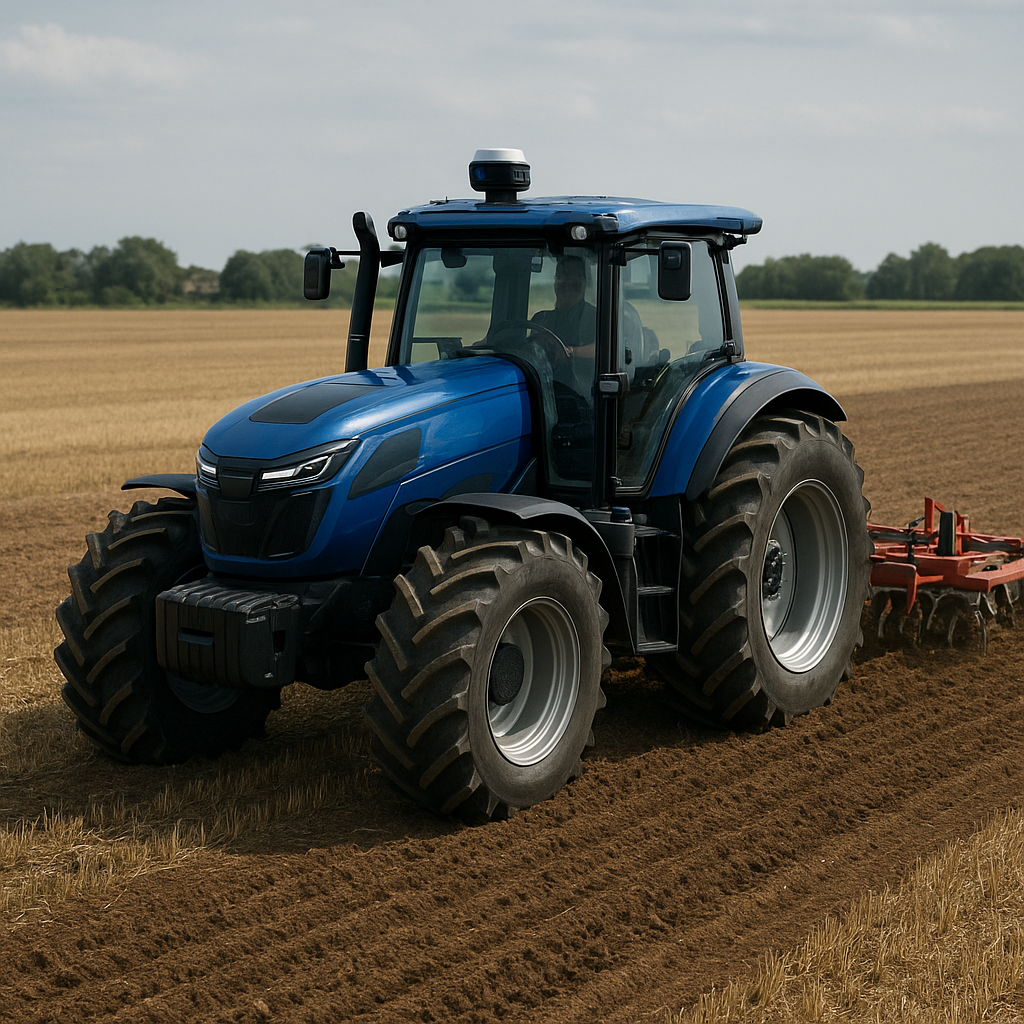
AI integration in tractors involves a complex interplay of sensors, actuators, and onboard computing systems. Modern machines utilize an array of technologies—LiDAR, computer vision cameras, GPS modules, and environmental monitors—to gather real-time data on soil conditions, crop health, and weather patterns. This constant stream of information feeds into advanced machine learning algorithms, enabling tractors to make split-second decisions about speed, depth, and route planning.
Key components of AI-powered tractors include:
- Sensor Fusion: Merging data from multiple sensors to create a comprehensive model of the field environment.
- Edge Computing: Processing information locally within the tractor’s control unit to reduce latency and ensure swift responses.
- Autonomous Navigation: Using GPS and inertial measurement units (IMUs) to follow precise paths without human input.
- Adaptive Control Systems: Continuously tuning tractor operations—such as throttle and steering—to match ground conditions and crop requirements.
By integrating these elements, manufacturers can deliver tractors that learn and improve over time, refining their performance with each pass across the field.
Precision Farming and Autonomous Operation
One of the most promising applications of AI in tractors is in the realm of precision farming. Traditional methods often rely on uniform application of seeds, fertilizers, and pesticides, which can lead to overuse of chemicals and uneven crop yields. AI-driven tractors, however, can perform variable-rate application, adjusting inputs on the fly based on localized soil fertility and plant health data.
Autonomous tractors also reduce labor demands and allow operations to continue around the clock. Equipped with high-resolution cameras and advanced obstacle-detection systems, these machines can detect rocks, animals, and debris, halting or rerouting as necessary. Farmers can monitor fleets of tractors remotely via cloud-based dashboards, receiving alerts when human intervention is required.
Benefits of autonomous, precision-enabled tractors include:
- Resource Optimization: Targeting fertilizer and water only where needed, reducing waste and environmental impact.
- Consistent Outputs: Achieving uniform seed placement and depth, leading to predictable germination rates and higher yields.
- Reduced Operator Fatigue: Minimizing manual steering and repetitive tasks so farmers can focus on strategic decisions.
- Extended Operating Hours: Enabling planting or harvesting at optimal times, regardless of daylight constraints.
Data Management and Connectivity
AI-powered tractors generate massive volumes of data, from soil moisture readings to engine performance logs. Effectively managing this information is crucial for unlocking the full potential of smart farming. Tractor manufacturers and software providers are collaborating to build robust platforms that support data aggregation, analysis, and secure storage.
Important considerations in data management include:
- Cloud Integration: Seamless transfer of field data to cloud servers, enabling remote monitoring and collaborative insights.
- Interoperability: Ensuring compatibility between different brands of tractors, implements, and farm management systems.
- Cybersecurity: Protecting sensitive farm data from unauthorized access or tampering.
- Real-Time Analytics: Leveraging AI tools to provide actionable recommendations as conditions evolve.
Moreover, enhanced connectivity through 5G and satellite links expands coverage even in remote agricultural zones. This reliable network backbone empowers farmers to harness robotics and AI-driven implements without fear of downtime or data bottlenecks.
Challenges and Future Prospects
Despite the remarkable potential, deploying AI-powered tractors across diverse farming operations presents several challenges. High initial costs remain a barrier for smallholder farmers, and a shortage of skilled technicians can hinder adoption and maintenance. Ethical concerns also arise around data ownership, as agribusiness firms collect granular information on farm activities.
To address these issues, stakeholders are exploring innovative solutions:
- Leasing Models: Offering subscription-based access to AI-enabled tractors to lower upfront investment.
- Training Programs: Collaborating with agricultural institutions to equip operators and technicians with specialized skills.
- Open Data Initiatives: Promoting transparent frameworks for data sharing that balance privacy and collective benefits.
- Collaborative Research: Partnering with universities and startups to refine AI algorithms for varied crop types and climates.
Looking ahead, the convergence of AI with electrification promises even greater strides. Electric drivetrains combined with intelligent control systems could reduce greenhouse gas emissions and noise pollution on farms. Energy harvested from solar arrays and biofuels could power tractors for extended periods, further enhancing sustainability.
Ultimately, the trajectory of AI-powered tractors will be shaped by continuous innovation, regulatory frameworks, and the willingness of the agricultural community to embrace change. As technology matures, these autonomous machines will become indispensable partners, driving a new era of productivity, resilience, and environmental stewardship in global agriculture.