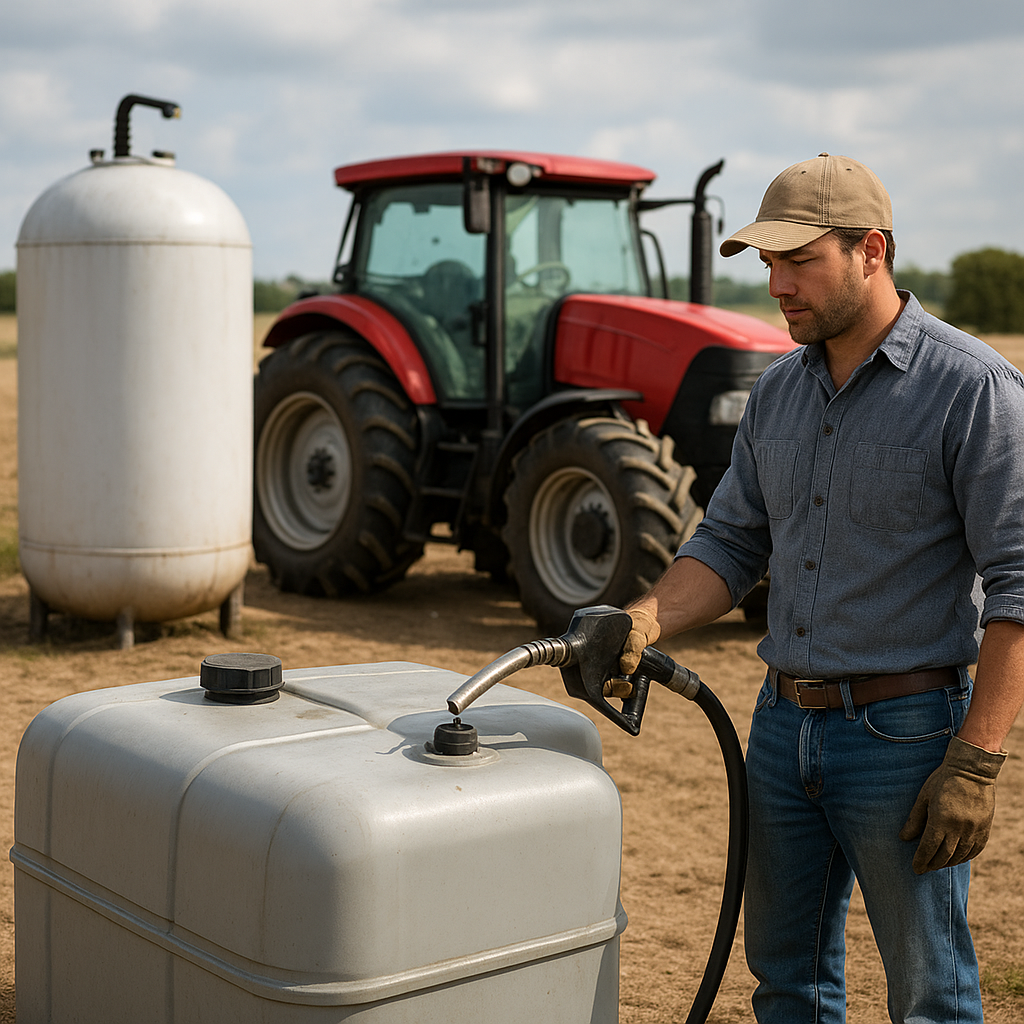
Proper management of fuel storage plays a vital role in ensuring reliable tractor performance and minimizing downtime. Maintaining an organized system safeguards equipment against unexpected failures and contributes to cost savings over time. Careful management of tractor fuel resources also helps protect the environment by preventing spills and reducing waste.
Understanding Tractor Fuel Storage Basics
Before establishing a storage system, it is crucial to recognize key factors that influence fuel longevity and quality. Fuel oxidation and evaporation can degrade petroleum products if exposed to air or high temperature. Water contamination often arises from condensation inside partially filled tanks or through small leaks in seals and fittings. When water enters, microorganisms such as bacteria and fungi multiply at the interface, forming sludge or biofilms that clog filters and corrode metal surfaces.
- Inspect storage areas for potential entry points for water, dust, and pests.
- Maintain a near-full tank to reduce air volume and limit condensation.
- Monitor local weather conditions that may affect fuel temperature and quality.
Using stainless steel or weather-resistant plastic containers can provide enhanced protection. Plastic drums made from cross-linked polyethylene resist corrosion but may allow greater temperature fluctuations. Tanks made of coated steel offer robust structural integrity but require internal linings or coatings to prevent rust. Regardless of the material, ensure proper ventilation and secondary containment to address potential leaks and spills effectively.
Choosing the Right Storage Equipment
Selecting the appropriate container and accessories is a cornerstone of efficient fuel logistics. Choose tanks and drums based on capacity requirements, durability, and compliance with local regulations. Look for units featuring integrated gauges, level indicators, and lockable lids to maintain security and prevent unauthorized access. When dealing with multiple fuel types, use color-coded containers or separate storage areas to avoid accidental cross-contamination.
Tank Types and Placement
- Aboveground tanks: Easy to inspect and access but require strong support structures and secure anchoring.
- Underground tanks: Offer space saving and temperature stability but involve higher installation and maintenance costs.
- Fuel drums and intermediate bulk containers (IBCs): Ideal for small farms or specialized equipment; compact and mobile when needed.
Strategic placement of storage equipment significantly reduces risks. Install tanks on a stable, level base away from direct sunlight and heat sources. Position them at least 50 feet away from important estate structures or watercourses to comply with environmental guidelines. Ensure clear access for delivery trucks and emergency responders, and maintain a clean zone around storage areas free of obstructions, tall grass, or debris.
Implementing Proper Fuel Handling Procedures
Safe and efficient fuel handling minimizes environmental impact and protects personnel from hazards. Train staff thoroughly on safety protocols, including the use of personal protective equipment (PPE) like gloves, goggles, and fire-resistant clothing. A well-marked spill kit with absorbent pads, booms, and neutralizing agents should be readily available in each fuel zone. Clear signage reminding workers of no-smoking policies and ignition source control further enhances workplace safety.
Refueling Best Practices
- Wear PPE and maintain grounding equipment to dissipate static electricity.
- Use dedicated fueling nozzles and hoses that are clean and free of leaks.
- Fill slowly to reduce turbulence and foam formation, which can introduce air and increase oxidation.
- Keep a safe distance from running engines and open flames.
Automated dispensing systems with electronic flow meters can streamline operations and reduce manual errors. Program dispensing units to lock out when filters require replacement or when fuel has reached predetermined age limits. Consider incorporating a card reader or keypad system to track fuel usage by vehicle or operator, enabling tighter control over inventory and reducing unauthorized consumption.
Maintaining and Monitoring Stored Fuel
Consistent oversight of stored fuel is essential to maintain peak engine performance and avoid surprise breakdowns. Conduct routine inspections every month to check tank levels, gauge readings, and the condition of seals and vents. Monitoring for odor, cloudiness, or color changes in the fuel can provide early warning signs of microbial issues. Performing regular water checks by inserting test strips or a bottom-drain sampling valve helps identify moisture accumulation.
- Install sight gauges or transmitters to measure fuel levels remotely.
- Schedule periodic filter changes based on manufacturer recommendations.
- Test fuel quality in a lab for cetane index, sulfur content, and microbial presence.
When contaminants are detected, consider fuel polishing systems that circulate the liquid through fine filtration and centrifuges. These units remove particulates and water, restoring original fuel purity. Introducing chemical additives can also inhibit microbial growth and prevent ice crystal formation in low temperatures. Use biocides responsibly, following dosage guidelines to avoid engine damage or environmental harm.
Investing in digital monitoring solutions offers real-time alerts on fuel levels, temperature variations, and leak detection. Integrating these systems with farm software simplifies record keeping, enabling prompt corrective actions and informed purchasing decisions. By treating fuel storage as a critical component of your equipment ecosystem, you can enhance efficiency, reduce downtime, and prolong the life of both machinery and fuel.