Proper management of engine temperature is critical for ensuring the smooth operation and longevity of modern tractors. An effective cooling system prevents overheating, maintains optimal combustion conditions and protects internal components from thermal stress. This article explores various aspects of tractor engine cooling, highlighting system designs, major components and recommended maintenance practices to enhance performance and reliability.
Overview of Tractor Engine Cooling Mechanisms
Tractors typically employ two primary cooling strategies: air-cooled and liquid-cooled systems. Each approach offers unique advantages and challenges, shaped by engine size, operating environment and required duty cycles.
Air-Cooled Engines
- Design simplicity: Air-cooled engines rely on a network of fins cast into the cylinder block and head, increasing surface area for heat dissipation.
- Cooling fan: A belt-driven or direct-drive fan forces ambient air over the fins, carrying away excess heat.
- Advantages: Lighter weight, reduced risk of coolant leaks and simpler maintenance procedures.
- Limitations: Less effective under high ambient temperatures or prolonged heavy-duty operation, which can lead to localized hotspots and thermal fatigue.
Liquid-Cooled Engines
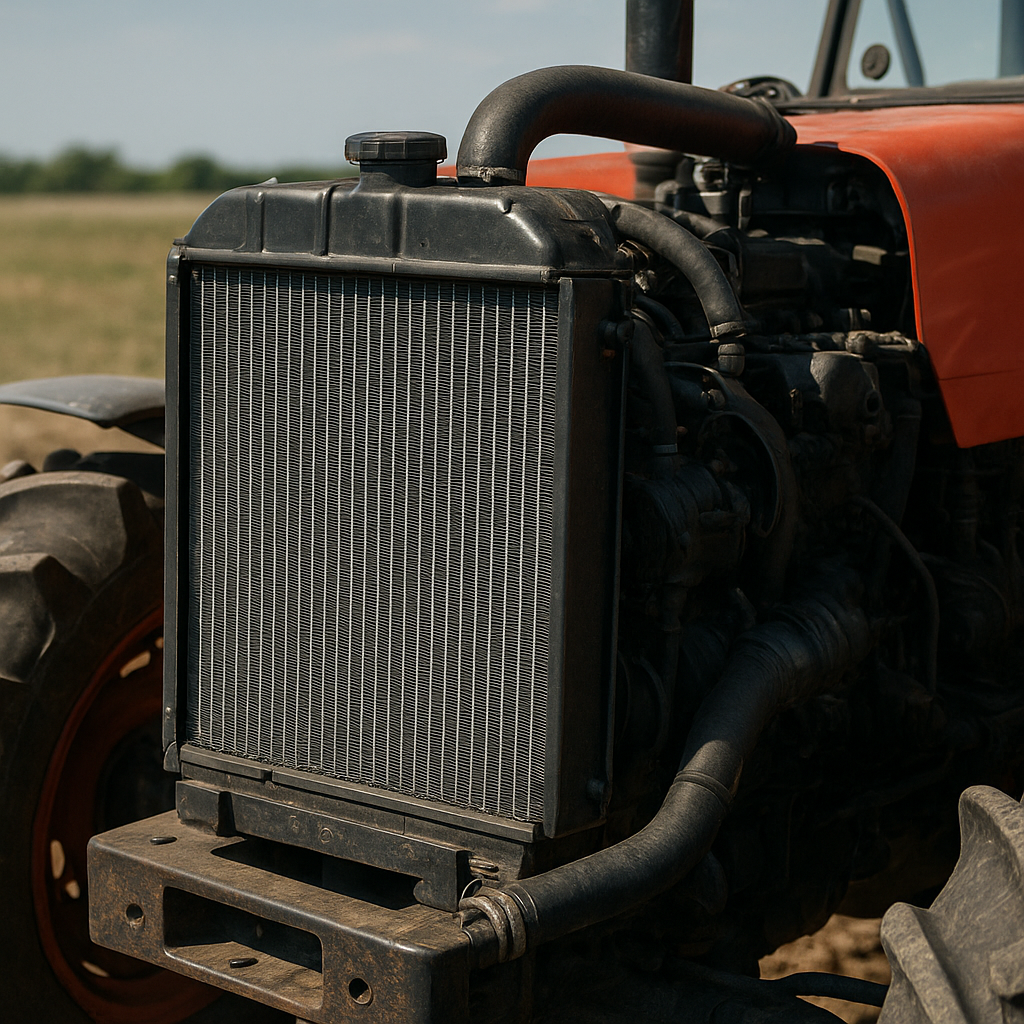
- Radiator-based system: An array of tubes and fins housed within a radiator matrix allows a mixture of water and coolant to circulate and transfer heat to ambient air.
- Water pump circulation: A mechanical or electric pump drives the coolant through engine passages, absorbing heat from combustion chambers and cylinder walls.
- Thermostat regulation: A thermostat valve opens and closes to maintain a consistent engine temperature, optimizing fuel combustion efficiency and emissions.
- Enhanced capacity: Liquid-cooled systems deliver superior temperature control under heavy loads and high ambient conditions, improving durability and extended operational cycles.
Key Components and Their Functions
Understanding the role of each component within a tractor engine cooling system is essential for identifying potential failure points and implementing effective maintenance regimes.
- Radiator: The primary heat exchanger, where circulating coolant releases thermal energy to surrounding air. Regular inspection for bent fins, blockages and leaks is critical.
- Coolant: A specialized mixture of water and antifreeze agents prevents freezing, raises boiling point and inhibits corrosion within metal passages.
- Water Pump: Driven by belt or gear train, this pump ensures continuous coolant flow. Worn bearings or impeller damage can reduce flow rate and cause localized overheating.
- Thermostat: Regulates coolant flow based on temperature thresholds. A stuck thermostat can lead to prolonged cold operation or overheating if it fails to open.
- Hoses and Fittings: Flexible rubber or reinforced hoses connect various cooling components. Deterioration or loose clamps can result in coolant leakage under pressure.
- Cooling Fan: Forces air across the radiator fins. Electric fans enable variable speed control, while mechanical fans are tied to engine speed via a viscous coupling or direct drive.
- Expansion Tank: Accommodates coolant volume changes due to thermal expansion. It also serves as an access point for topping up fluid levels and monitoring system pressure.
Common Cooling Challenges and Solutions
Efficient tractor operation demands awareness of typical overheating issues and the measures to counter them. Field conditions, load variations and ambient weather can all influence cooling performance.
Heat Buildup Under Heavy Loads
Plowing, hauling and other intensive tasks generate elevated engine output, increasing thermal load. To mitigate:
- Install high-capacity radiators or add auxiliary coolers in front of the main radiator.
- Use heavy-duty fans with adjustable pitch or viscous couplings for increased airflow at lower engine speeds.
- Ensure proper airflow by clearing debris, crop residue and dust from radiator fins on a routine basis.
Cold Weather Operations
Sub-zero temperatures pose a risk of coolant freezing and compromised heat absorption. Best practices include:
- Utilize winter-grade antifreeze formulations to lower freezing point and maintain fluidity.
- Install block heaters or insulated covers to warm the engine block and aid faster warm-up cycles.
- Monitor temperature gauge readings closely during start-up, avoiding heavy loads until optimal operating temperature is reached.
Coolant Quality and Corrosion Control
Chemical breakdown or contamination of coolant can precipitate corrosion, scale formation and reduced heat transfer efficiency. To maintain fluid integrity:
- Adhere to manufacturer-recommended coolant replacement intervals and coolant types.
- Perform periodic coolant analysis, checking pH, freeze/boil points and corrosion inhibitor levels.
- Flush the entire system to remove sediment, rust particles and deposits that accumulate over time.
Advancements and Best Practices in Cooling Maintenance
Modern tractor designs integrate electronic monitoring, variable-speed cooling fans and advanced material coatings to boost overall system resilience. Nevertheless, routine checks and upkeep remain indispensable for optimal efficiency and uninterrupted field performance.
- Routine Inspections: Visually inspect belts, clamps, hoses and fan blades at weekly intervals during peak operating seasons.
- Scheduled Coolant Replacement: Replace coolant per service manual guidelines. A typical interval ranges from 2 to 4 years, depending on fluid type.
- Thermostat Testing: Verify opening/closing temperature accuracy by observing coolant flow changes during warm-up on a test bench or in situ.
- Radiator Cleaning: Employ low-pressure water or compressed air to flush out external debris. For internal scale, consider chemical descaling solutions.
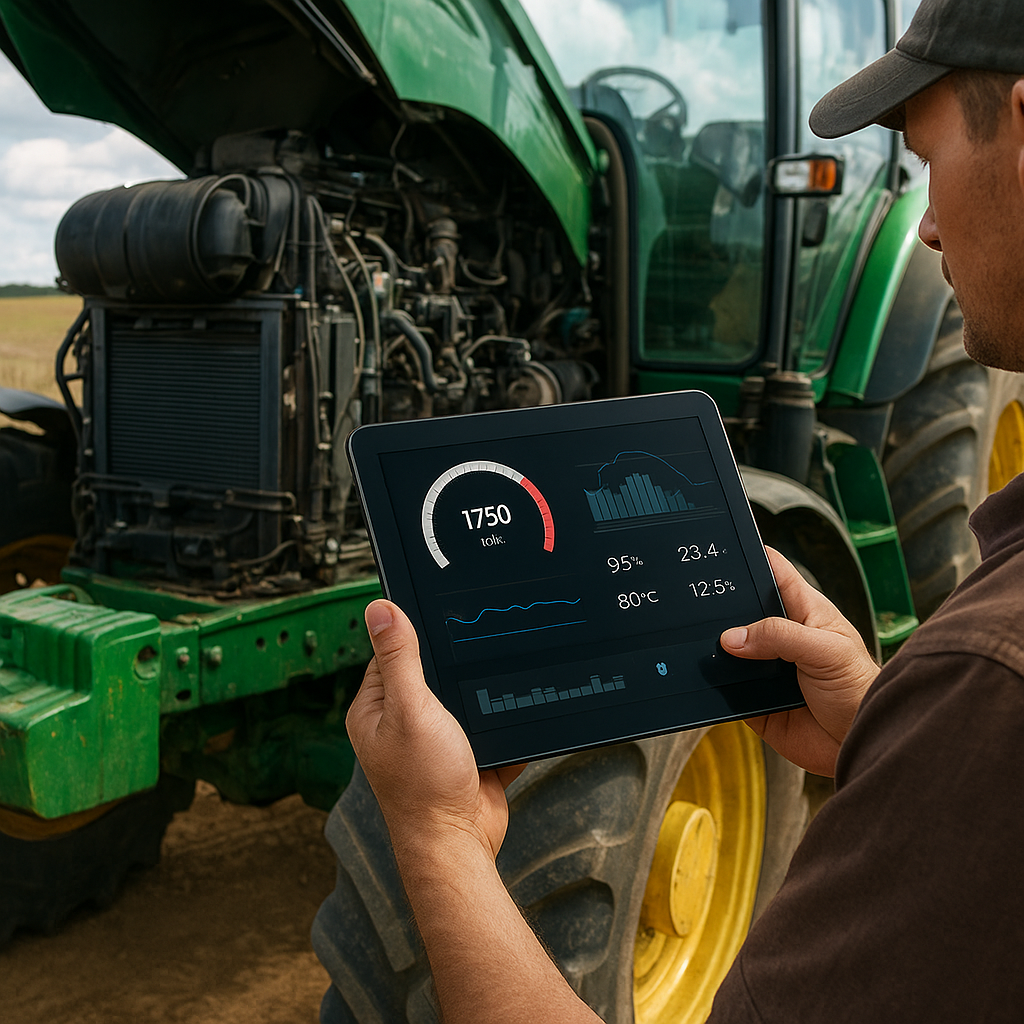
- Electronic Monitoring: Leverage onboard sensors and telematics to track temperature anomalies in real time, enabling proactive intervention.
- Component Upgrades: Where heavy-duty applications prevail, upgrade to high-capacity radiators with multi-pass cores or electric fans with thermostatic control modules.
- Operator Training: Equip operators with knowledge on interpreting temperature gauge readings and responding appropriately to warning indicators.
Emphasizing regular maintenance procedures, selecting proper fluid formulations and applying technological upgrades can collectively safeguard against thermal failures. By comprehensively addressing cooling system challenges, tractor owners and operators ensure sustained durability, reduced downtime and consistent field productivity.