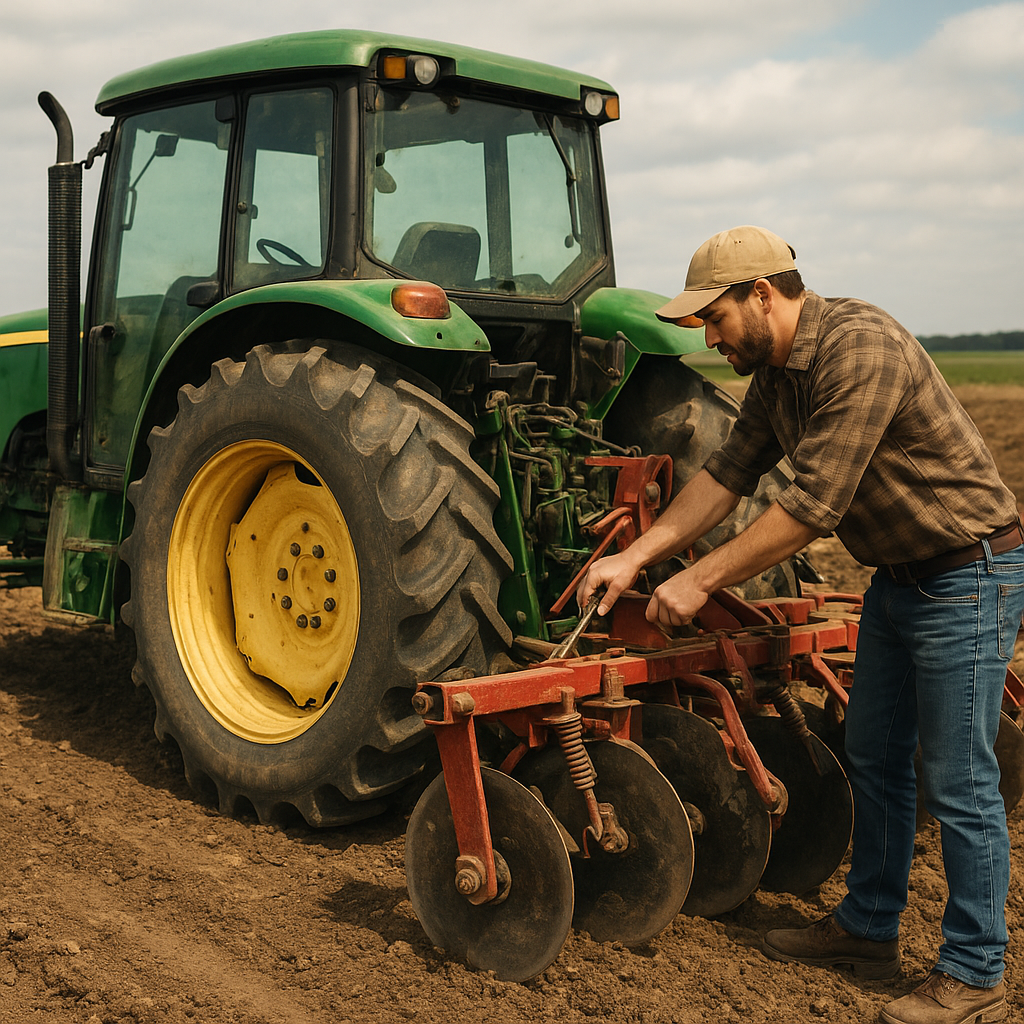
As the planting season approaches, the success of your farm hinges on a well-prepared tractor. A thorough review of mechanical functions, fluid levels, and safety measures can make all the difference in ensuring smooth operations in the field. This guide takes you through key steps to optimize your machine’s readiness and maximize its longevity and uptime.
Preparing the Engine and Fluids
Proper preparation of the tractor’s powerplant is the cornerstone of dependable fieldwork. Neglecting basic fluid checks and changes can lead to costly breakdowns when you need peak performance most.
Oil and Filter Service
- Drain the old engine oil and replace it with the grade recommended by the manufacturer.
- Install a new filters set—including oil, fuel, and air filters—to trap contaminants and preserve engine health.
- Inspect the oil filter housing for leaks and tighten fittings as needed.
Coolant and Hydraulic Fluids
- Check the radiator and coolant reservoir for correct fluid level and concentration. A proper mix of antifreeze ensures optimal temperature control.
- Flush and replace hydraulic fluid to protect seals and pumps from wear. Fresh fluid promotes better hydraulics response and avoids sluggish operation.
- Top off the gearbox and transmission fluids to manufacturer specifications, ensuring smooth gear shifts under load.
Inspecting and Adjusting Mechanical Components
Routine inspection of moving parts helps prevent unexpected failures. A detailed walk-around and test run reveal issues before they escalate.
Tire and Wheel Maintenance
- Examine tire tread depth and sidewall integrity. Replace any tires showing cracks, bulges, or excessive wear.
- Verify air pressures according to load recommendations, optimizing traction and minimizing soil compaction.
- Check wheel lug nuts for tightness using a torque wrench, preventing loosening under vibration.
Belt, Chain, and Drive Components
- Inspect all belts for fraying or glazing. Tension them per the manual to avoid slipping or snapping.
- Lubricate drive chains with quality grease and adjust tensioners to extend service life.
- Examine PTO shafts and universal joints for wear, applying grease to all zerks and verifying protective shields are in place.
Tuning the Hydraulics and Electrical Systems
Efficient hydraulic circuits and reliable electrical wiring are critical for attachments like planters and cultivators. Addressing potential issues now prevents on-the-go repairs.
Hydraulic Circuit Checks
- Bleed air from all hydraulic lines to stabilize implement control and prevent erratic motion.
- Test lift arms and remote valves under load, observing response times and listening for unusual noises.
- Replace worn seals or hoses showing abrasion marks, ensuring integrity under high pressure.
Battery and Wiring Inspection
- Clean battery terminals and apply a dielectric grease to prevent corrosion and voltage drops.
- Test battery capacity under load to confirm starting reliability in cooler weather.
- Trace wiring harnesses for chafed insulation or rodent damage. Secure loose wires to avoid shorts.
Implementing Safety and Operator Comfort
Ensuring a safe, comfortable environment for the driver not only protects personnel but also enhances overall efficiency and productivity.
Safety Devices and Lights
- Verify that all hazard lights, headlamps, and beacons operate correctly to maintain visibility in low-light conditions.
- Inspect ROPS (rollover protective structures) and seat belts for integrity. Replace any components showing deformation.
- Keep a well-stocked fire extinguisher and first-aid kit on board, confirming that both are within expiration dates.
Cabin Comfort and Controls
- Clean or replace the air cabin filter to promote fresh airflow and reduce dust inhalation.
- Check heating and air-conditioning systems for proper function, ensuring operator alertness in extreme weather.
- Test all control switches, gauges, and displays. Calibrate the speedometer and tachometer to guarantee accurate readings.
Final Steps Before Field Deployment
Once mechanical and safety checks are complete, perform a comprehensive test drive. Monitor engine temperatures, listen for abnormal sounds, and feel for vibrations. Confirm that implements attach and detach smoothly. This final dry run ensures your tractor is fully set for a season of uninterrupted planting.
By following these guidelines, you’ll reinforce your tractor’s performance, minimize downtime, and deliver consistent results in the field. Careful attention to every detail—from fluid levels to operator safety—paves the way for a successful planting season.