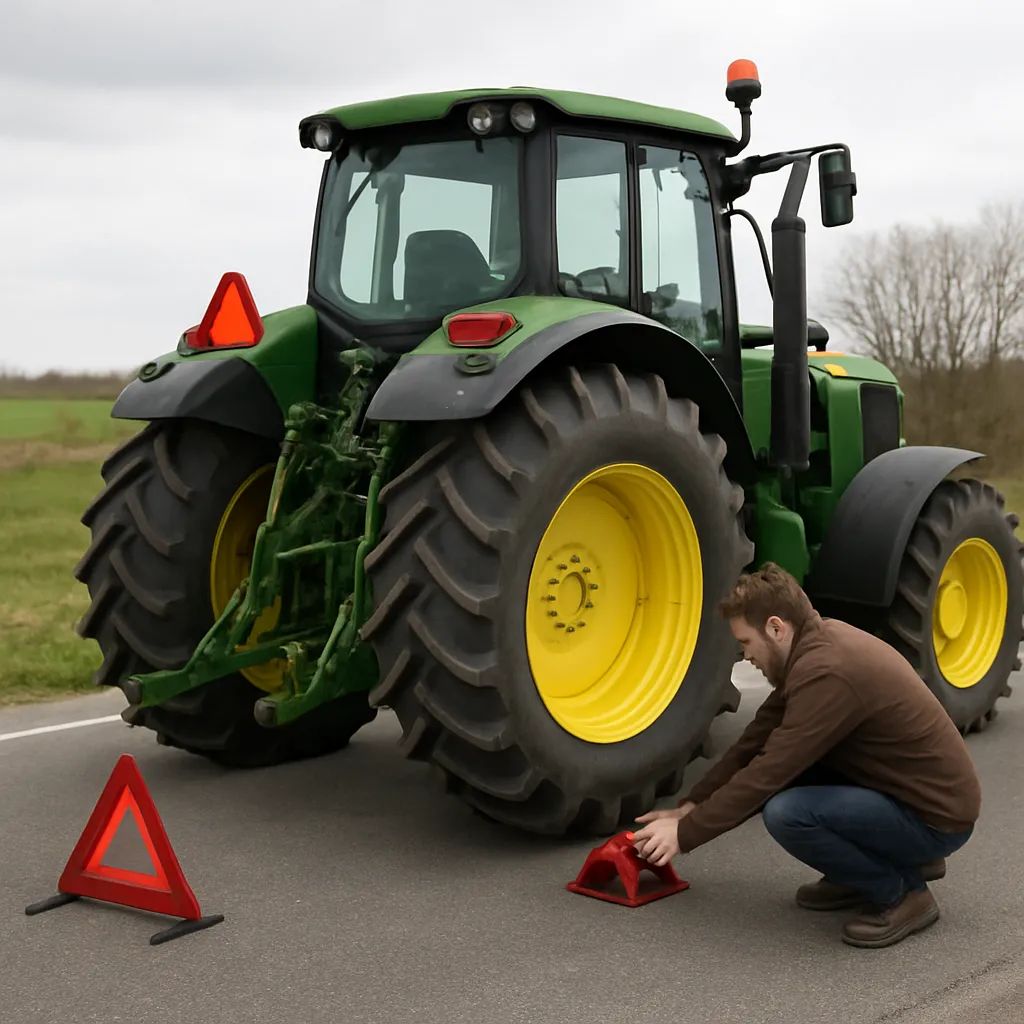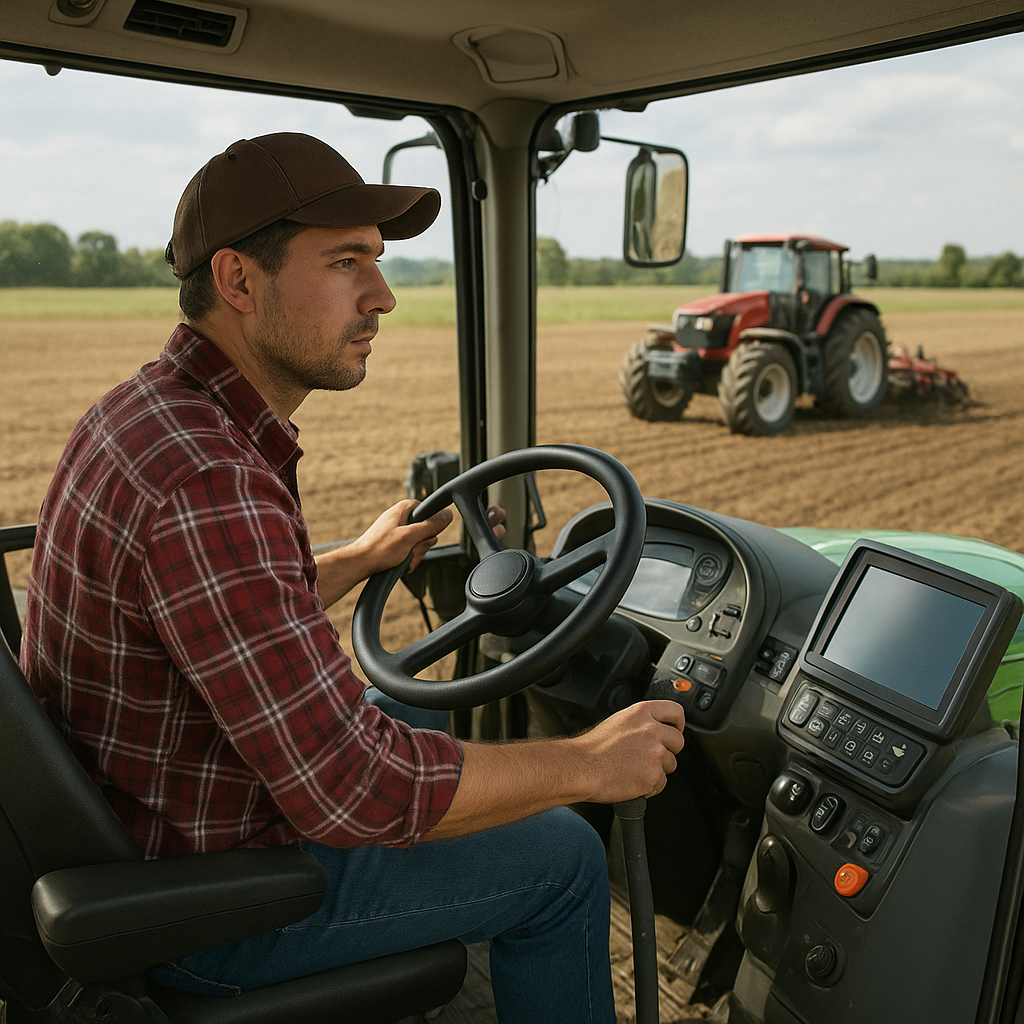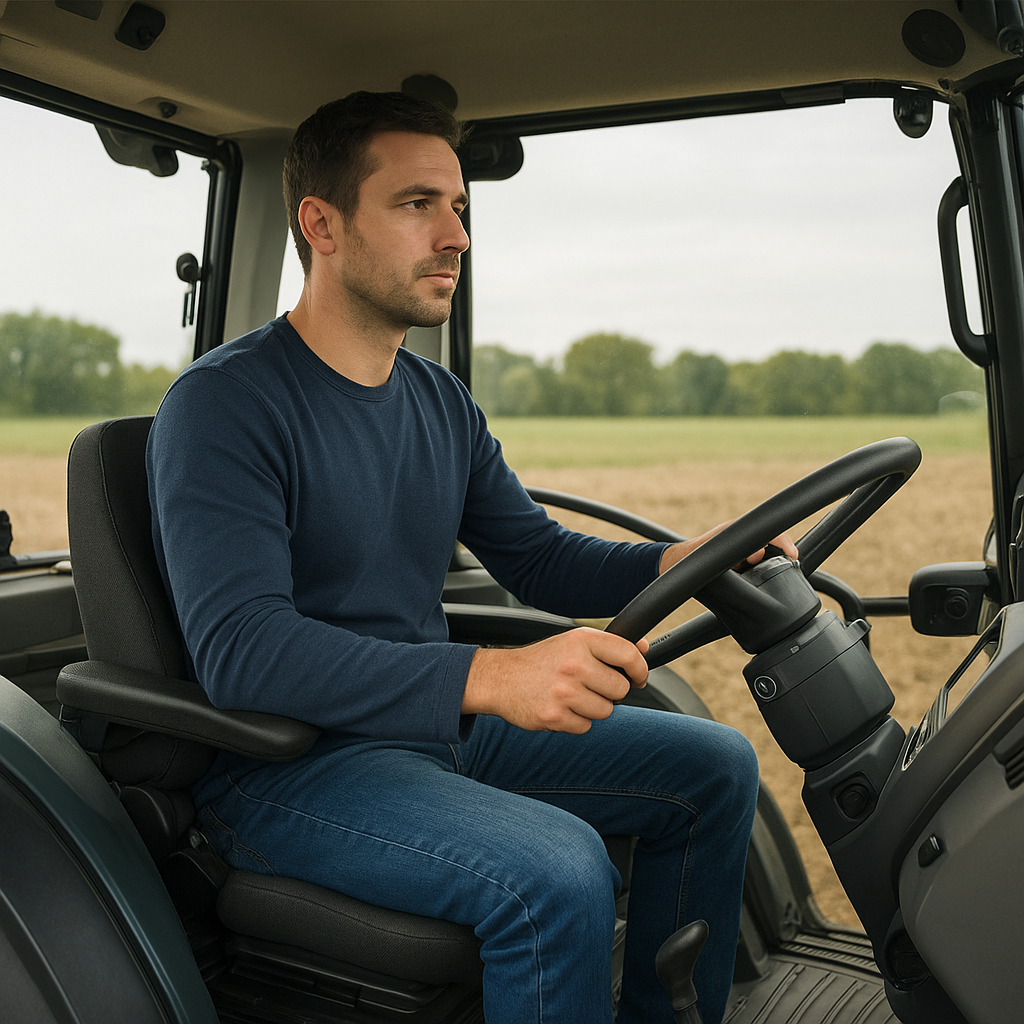
Tractor ergonomics plays a pivotal role in enhancing productivity, reducing operator fatigue, and promoting overall well-being during long hours spent in the field. An optimal design considers human factors, ensuring that every control, surface, and system contributes to a safer and more comfortable working environment. By focusing on the interaction between man and machine, manufacturers can deliver equipment that not only performs efficiently but also keeps the operator healthy and alert.
Ergonomic design principles in tractor cabs
Proper ergonomics begins with a deep understanding of anthropometry, biomechanics, and cognitive load. Tractor cabs must accommodate a wide range of body sizes and shapes, ensuring that each operator can reach essential controls without straining. Key elements of an ergonomic cab include:
- Adjustable seating systems that support the spine’s natural curvature and reduce fatigue.
- Control panels positioned within a comfortable reach zone to minimize excessive bending or stretching.
- Ample visibility through well-designed windows and mirror placements, reducing blind spots and improving safety.
- Efficient layout of levers, pedals, and touchscreen interfaces to streamline tasks and prevent errors.
Incorporating these features relies on advanced simulation tools and virtual reality mockups, enabling designers to iterate quickly and assess human-machine interactions under real-world conditions. By emphasizing comfort and functionality, tractor manufacturers can reduce the risk of musculoskeletal disorders and enhance operator satisfaction.
Control layout and accessibility
Controls serve as the primary point of interface between the operator and the tractor. A well-thought-out layout minimizes hand movements, reduces mental workload, and prevents unnecessary distraction. Consider the following aspects:
- Logical grouping of controls by function (e.g., transmission, hydraulics, lighting) for intuitive operation.
- Distinctive shapes and tactile cues on buttons and switches to allow quick identification without removing eyes from the field.
- Programmable interfaces that adapt to individual preferences, enabling operators to customize settings for frequently used functions.
- Clear labeling with high-contrast graphics, ensuring visibility under various lighting conditions.
Workstation design must also account for dynamic tasks such as hitch adjustments, PTO engagement, and implement control. By aligning each lever and joystick with the operator’s natural hand position, tractor designers can prevent repetitive strain injuries and improve overall safety.
Seat comfort and support systems
The seat is the cornerstone of operator comfort, absorbing vibrations and supporting prolonged periods of sitting. Advanced seat technologies include:
- Air suspension seats that adapt to changing field conditions, filtering out shocks caused by uneven terrain.
- Multi-way adjustability for height, tilt, lumbar support, and armrests, accommodating diverse body types.
- Integrated heating and cooling systems to maintain optimal body temperature during extreme weather.
- Memory presets allowing different users to recall their preferred seat positions instantly.
Effective cushioning materials and dynamic damping technologies work together to reduce whole-body vibration, a key contributor to operator discomfort and long-term health issues. Proper ergonomics can lower absenteeism, boost morale, and increase daily operating hours.
Climate control and noise reduction
A controlled environment within the cab enhances focus and reduces stress. Critical features include:
- High-efficiency air conditioning and heating units with adjustable vents to direct airflow precisely.
- Active noise cancellation systems and sound-deadening insulation materials that lower ambient decibel levels from the engine, transmission, and implements.
- Filtered ventilation systems to remove dust, pollen, and harmful fumes, safeguarding respiratory health.
- Energy-efficient climate controls that minimize fuel consumption without sacrificing performance.
By maintaining a stable environmental condition, operators can stay alert, make better decisions, and work more comfortably over extended periods.
Future trends in tractor operator ergonomics
The evolution of tractor ergonomics is driven by emerging technologies and shifting workforce demographics. Notable trends include:
- Integration of augmented reality (AR) overlays within windshields to provide real-time data on speed, fuel levels, and implement status without diverting attention.
- Adaptive control systems using eye-tracking and gesture recognition for hands-free operation of secondary functions.
- Wearable sensors and biometric monitoring to track operator stress levels, heart rate, and posture, enabling predictive maintenance of both machine and human resources.
- Collaborative robots (cobots) that assist with heavy-lifting tasks, reducing the physical burden on the operator.
As precision agriculture, automation, and connectivity continue to advance, tractor cabs will transform into intelligent workstations. Design decisions will increasingly focus on the synergy between operator well-being and machine performance. By prioritizing ergonomic excellence, the agricultural industry can elevate the standard of operator care and drive sustainable productivity gains.