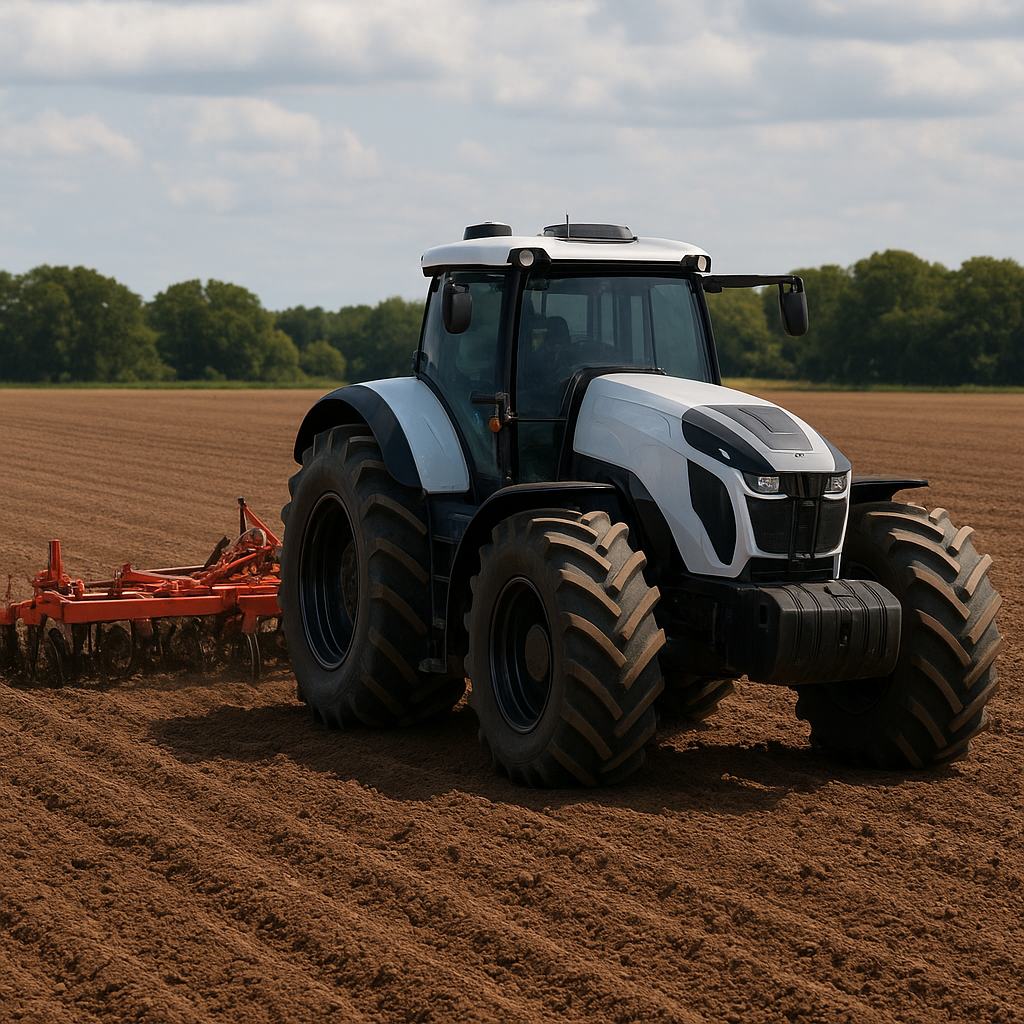
Mastering the correct adjustment of tractor implements can significantly boost field productivity and extend the lifespan of your equipment. Proper setup ensures that attachments work in harmony with the tractor’s design, promoting efficiency, reducing fuel consumption, and minimizing wear on both tractor and implement. This comprehensive guide offers clear, practical steps for adjusting various implements, troubleshooting common problems, and maintaining top performance.
General Principles of Implement Adjustment
Selecting the Right Implement
Choosing an implement that matches your tractor’s horsepower and hydraulic capacity is the first critical step. An oversized plow can overload a small tractor’s engine, while a too-light harrow may underutilize advanced models. Always consult the manufacturer’s data plate or manual to confirm the traction requirements and PTO (power take-off) specifications before hitching any tool.
Assessing Tractor Specifications
Before mounting an implement, review your tractor’s three-point hitch categories and lift capacity. Category 1, 2, and 3 systems differ in pin diameter and lift strength. Verifying that the implement’s hitch pins align with the tractor’s category prevents undue stress on linkages. Additionally, check the hydraulic flow rate and pressure settings to match the implement’s cylinder demands for precise calibration.
Three-Point Hitch Fundamentals
The three-point hitch is the cornerstone of modern implement mounting. It consists of two lower lift arms and a central top link. Correct geometry ensures an optimal working angle, effective ground contour following, and stable operation. Familiarize yourself with the position of lift arm stabilizers, draft links, and adjustable top links to control depth, tilt, and draft resistance.
Step-by-Step Guide to Proper Adjustment
Checking Hitch Geometry
Begin by backing the tractor toward the implement slowly. Center the implement’s hitch frame directly behind the tractor to avoid stress during pin insertion. Lock the lift arms in a parallel position using stabilizer bars or sway chains. Ensuring the hitch is level from left to right prevents uneven soil engagement and reduces the risk of tip-over on slopes.
Adjusting Lift Arms and Top Link
Raise the implement a few inches above the ground. Adjust the top link to achieve the manufacturer’s recommended angle—this angle determines the implement’s “bite” into the soil. Shortening the top link increases the rear of the implement’s downward force, ideal for plowing heavy soils. Lengthening it reduces front pressure, suitable for delicate seed drills. Use the lift arm turnbuckles to fine-tune lateral stability and maintain equal side loads.
Setting Draft Control and Depth
Modern tractors offer draft control systems that sense resistance and adjust hydraulic flow to maintain consistent depth or load. Engage draft control mode on the lever or electronic interface. Calibrate the desired working depth with minor hydraulic pressure adjustments. Test by lowering the implement on a small patch and observing how it reacts: if it rises during heavy draft, increase the draft control setting; if it sinks too low easily, decrease it.
Fine-Tuning for Field Conditions
Soil type, moisture content, and field topography can affect ideal settings. In wet, heavy soils, reduce downward pressure to avoid excessive draft force and slippage. In light, sandy terrain, increase pressure for stable penetration. Employ weight kits or ballast when necessary to optimize stability and avoid wheel spin. Record your settings for various field conditions to streamline future adjustments.
Maintenance and Troubleshooting
Routine Inspection
After each workday, inspect hitch pins, clevises, and lift arm bearings for signs of wear or deformation. Grease all pivot points according to the interval chart in your tractor’s manual. Hydraulic hoses should be checked for cracks, leaks, and proper fitting torque. Tighten any loose nuts or bolts and replace worn bushings to maintain precise implement alignment.
Common Issues and Solutions
- Implement drifting to one side: Check hydraulic flow balance, adjust stabilizer chains, and ensure tire pressure is equal on both sides.
- Uneven soil engagement: Re-level the hitch by adjusting the turnbuckles or modifying top link length to achieve a uniform angle.
- Hydraulic drift or creep: Inspect relief valves for contaminants, flush the system, and replace worn seals to restore precise tension control.
- Excessive wheel slippage: Add front ballast or ear weights, and adjust rear ballast to improve weight transfer and traction.
Optimizing Performance Over Time
Implement performance can degrade over seasons if not regularly checked. Revisit your setup each spring, considering any ground condition changes or implement alterations like deeper coulters or wider rollers. Use performance records—fuel consumption, work rate, and soil finish quality—to evaluate if adjustments are delivering the expected benefits. Continual tweaking will maintain peak productivity and prolong implement lifespan.