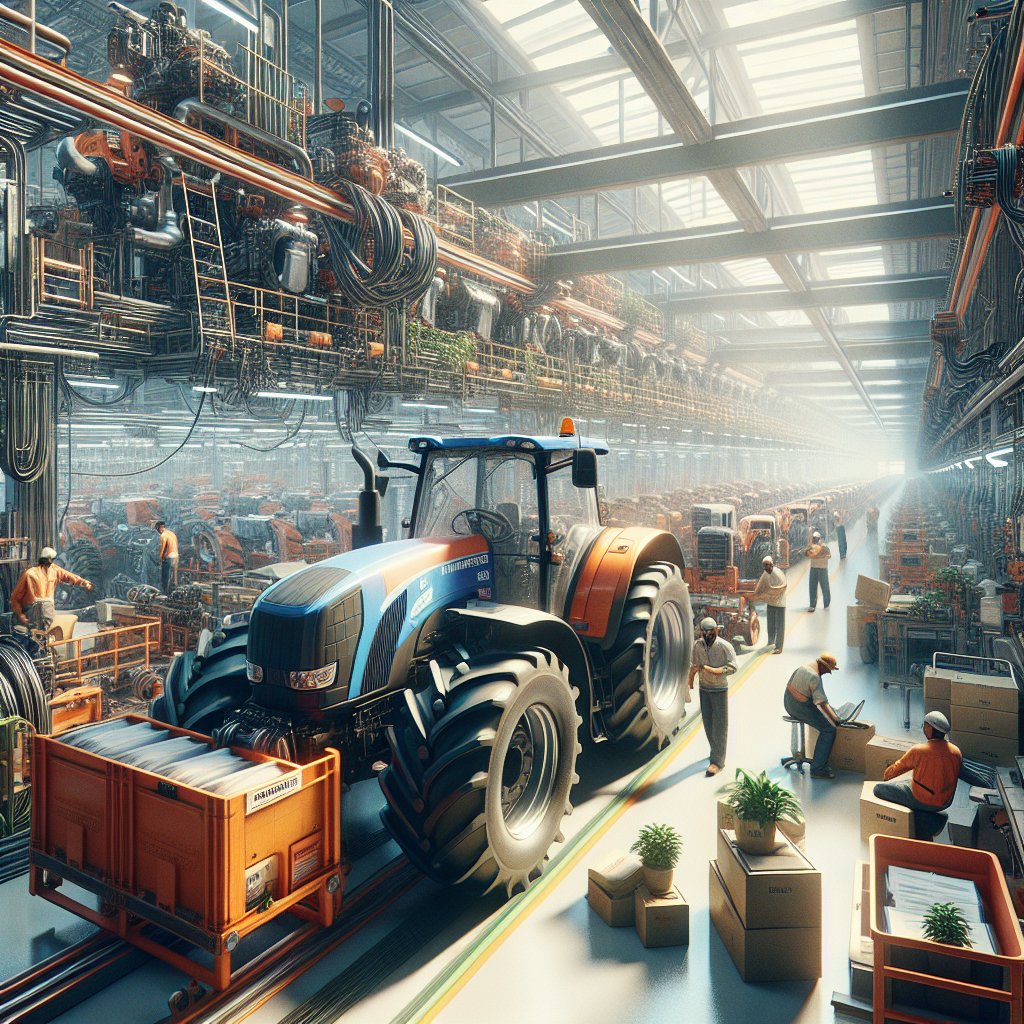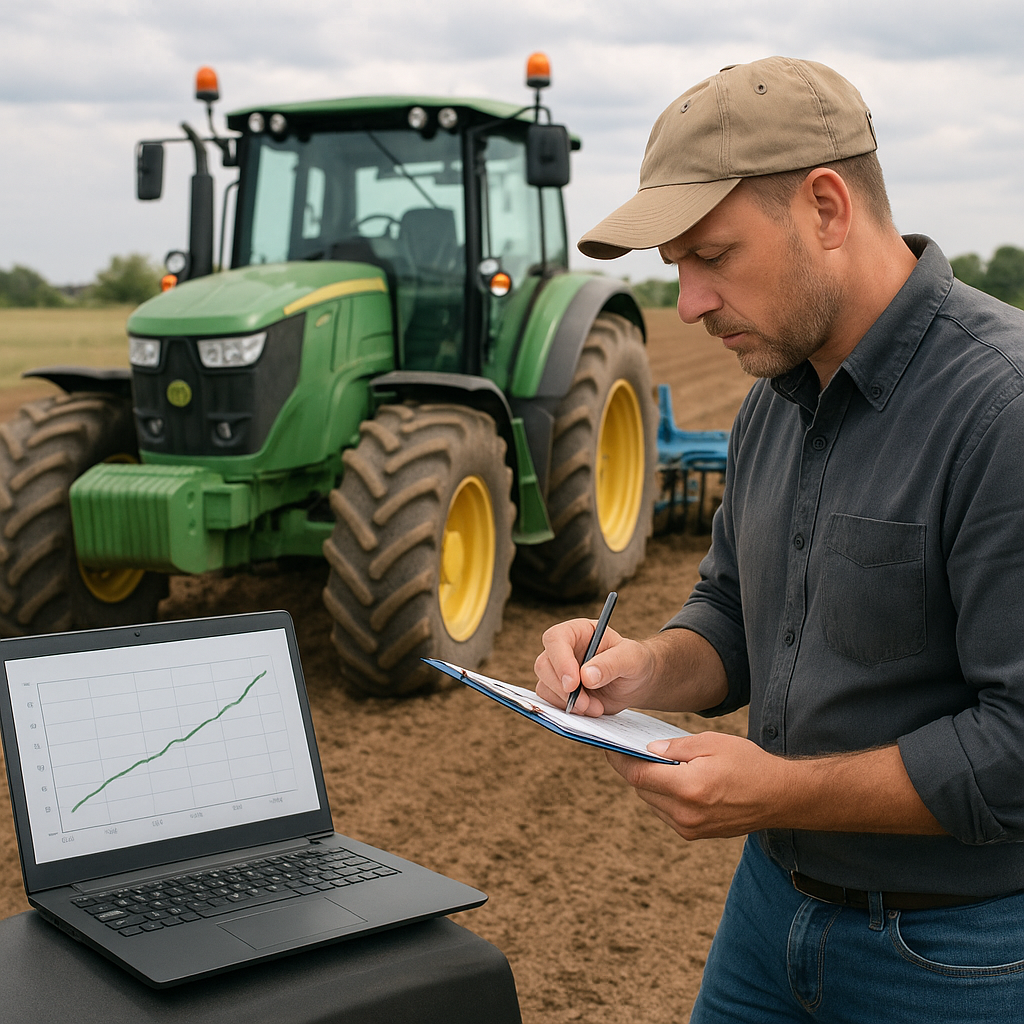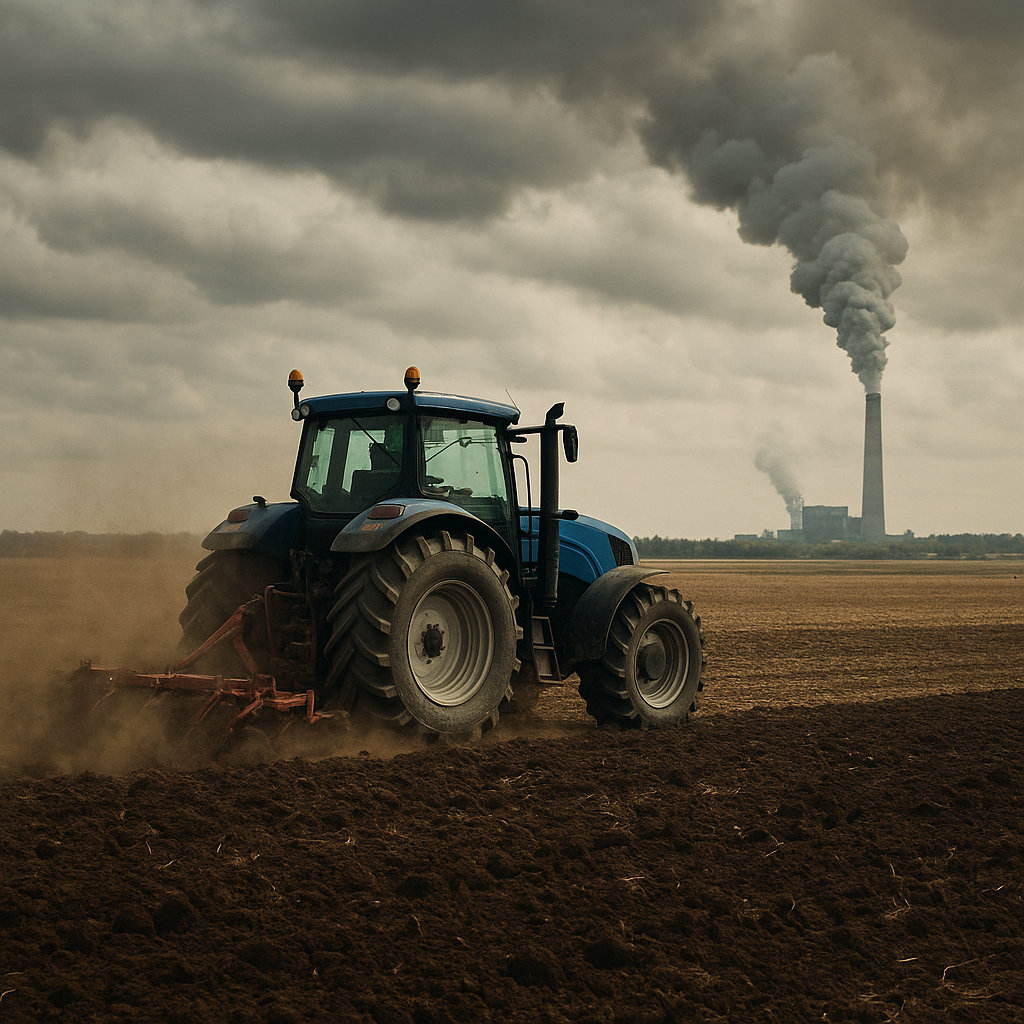
The extensive deployment of modern tractors has revolutionized agricultural productivity but also introduced significant environmental concerns. By examining their greenhouse gases emissions, soil impacts, and water quality implications, we can better understand how to foster more sustainable practices in farming systems.
Evolution of Tractors and Their Environmental Footprint
The journey from horse-drawn plows to today’s high-powered machines reflects remarkable improvements in fuel efficiency and mechanical prowess. Early internal combustion models replaced many manual tasks, expanding cultivated acreage and boosting yields. However, as engine sizes and operational hours increased, so did the release of carbon dioxide, nitrogen oxides, and particulate matter. This growing footprint underscores the need to balance productivity with ecological stewardship.
Key Technological Milestones
- Introduction of the two-cylinder gasoline engine in the 1920s, which marked the first major shift away from draft animals.
- Adoption of diesel power in the 1950s, offering improved torque but higher emissions profiles.
- Integration of turbocharging, electronic fuel injection, and exhaust aftertreatment in the 21st century to meet air quality standards.
Despite these advances, many older tractors remain in service, often lacking modern emission controls. This mixed fleet continues to contribute to localized air pollution challenges.
Soil Health and Compaction Issues
One of the most pervasive environmental impacts arises from repeated passes of heavy equipment over fields. Tractor weight can compact the soil, reducing pore space and hindering root growth. Over time, compaction leads to lower water infiltration rates and diminished microbial activity, disrupting natural nutrient cycles.
Consequences of Soil Compaction
- Biodiversity loss among soil organisms, including earthworms and beneficial bacteria.
- Decreased aerobic conditions, which slow organic matter decomposition.
- Reduced crop yields due to stunted root systems and poor water uptake.
To mitigate these effects, farmers are investigating controlled-traffic farming, where tractors consistently follow the same lanes. This approach confines compaction to narrow strips, preserving the majority of the field for optimal plant growth.
Emissions and Air Quality Concerns
Tractors powered by diesel engines generate significant amounts of nitrogen oxides (NOx) and particulate matter (PM). These pollutants exacerbate respiratory illnesses and contribute to smog formation. Satellite data has even linked agricultural regions with elevated NOx hotspots during peak planting and harvesting seasons.
Greenhouse Gases from Diesel Combustion
Beyond immediate air quality impacts, diesel combustion produces carbon dioxide and traces of methane. While methane emissions from tractors are lower than from livestock, every fraction adds to the overall agricultural sector’s carbon footprint. Effective strategies include retrofitting older engines with diesel particulate filters (DPFs) and selective catalytic reduction (SCR) systems to curtail both NOx and PM.
- Implementation of precision application techniques to limit unnecessary idling and engine load.
- Regular maintenance schedules that ensure optimal combustion and lower pollutant output.
- Education programs that teach operators eco-driving habits such as smooth acceleration.
Water Resources and Agrochemical Runoff
The interplay between tractor operations and agrochemical usage poses threats to surface and groundwater quality. Tractors facilitate the spraying of herbicides, pesticides, and fertilizers. Rain events following application can wash these chemicals into nearby streams, harming aquatic ecosystems and contaminating drinking water sources.
Impacts on Aquatic Life
- Algae blooms fueled by nutrient runoff, depriving water bodies of oxygen.
- Toxic effects on fish larvae and invertebrates, disrupting food webs.
- Bioaccumulation of persistent chemicals in higher trophic levels, posing human health risks.
Buffer strips, constructed wetlands, and targeted chemical placement using precision farming technologies help minimize off-target drift. Global positioning systems (GPS) and variable-rate applicators enable accurate dosing, reducing the total volume of agrochemicals required per hectare.
Innovations Toward Sustainable Tractor Use
Recognizing the environmental toll, manufacturers and researchers are developing novel solutions. Emerging trends focus on electric drivetrains, alternative fuels, and data-driven management.
Electric and Hybrid Tractors
Electric tractors promise zero tailpipe emissions and lower noise pollution. Battery technologies are advancing rapidly, offering extended operating hours. Hybrid configurations pair batteries with small internal combustion engines for on-the-go charging, making them suitable for larger farms where pure-electric endurance remains a challenge.
Biofuels and Renewable Options
Bio-diesel from waste vegetable oils, algae-based fuels, and cellulosic ethanol are under study. When sourced sustainably, these options can reduce net carbon emissions. However, feedstock production must avoid competition with food crops or the destruction of natural habitats.
Precision and Autonomous Farming
Automation and robotics reduce unnecessary overlaps and optimize field coverage. Self-driving tractors equipped with LiDAR and computer vision can perform tasks with centimeter accuracy. This minimizes fuel consumption, lowers soil compaction, and ensures agrochemicals are confined to targeted zones.
- Integration with drone imagery for real-time crop health assessment.
- Machine learning algorithms that adjust field routines to weather forecasts.
- Remote monitoring platforms that track energy usage and emission metrics.
Building Resilience Through Regenerative Practices
Beyond technological fixes, many farmers embrace regenerative agriculture, which aims to restore ecosystem functions. Techniques such as cover cropping, reduced tillage, and crop rotations complement environmental tractor innovations. By enhancing soil organic matter, these practices bolster water retention and sequester additional carbon in the ground.
Synergizing mechanical improvements with holistic land management nurtures a farming model that not only yields food but also protects air, soil, and water resources. As research continues and adoption scales up, the environmental impact of tractor use can shift from a challenge into an opportunity for climate-smart agriculture.