Purchasing a pre-owned tractor can be a cost-effective solution for expanding your agricultural operations, but without a thorough inspection, hidden issues may lead to expensive repairs. This guide will walk you through the essential steps to evaluate a used tractor’s condition, ensuring you make an informed decision and secure reliable equipment for years to come.
Pre-Inspection Considerations
Before stepping onto the seller’s property, gather as much information as possible. A solid understanding of the tractor’s history and intended use will streamline your inspection. Key points to research include:
- Usage History: Determine whether the tractor was used for heavy tillage, hauling, or light landscaping. High-stress applications accelerate wear on the engine and drivetrain.
- Maintenance Records: Request service logs showing regular oil changes, filter replacements, and scheduled adjustments. Consistent maintenance is a strong indicator of overall care.
- Model Reputation: Read owner reviews and forum discussions to identify common problems associated with that make and model.
- Market Value: Check online listings and auction results to establish a fair price range, factoring in hours of operation and condition.
Having these details in hand will help you ask targeted questions and avoid being swayed by superficial appearances.
Mechanical and Structural Assessment
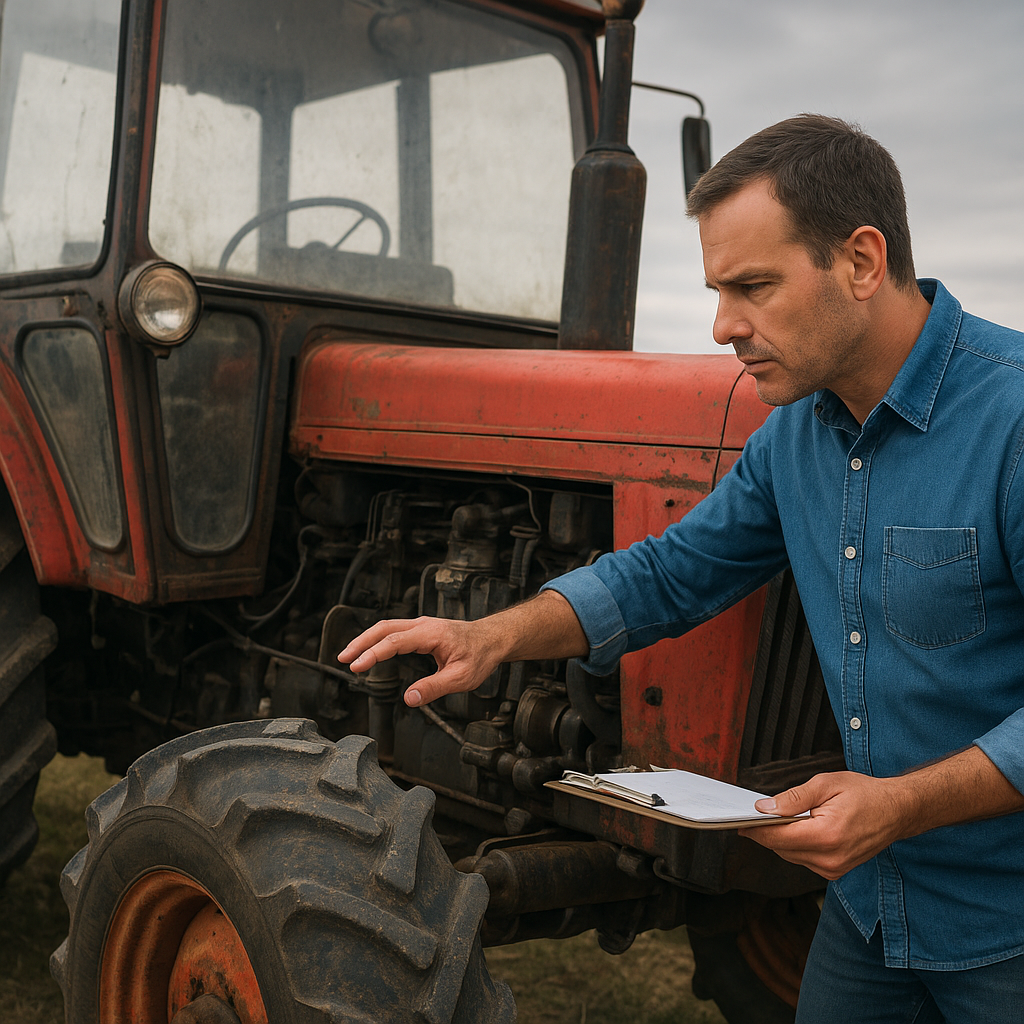
Once on-site, perform a visual and tactile examination of critical components. A methodical approach reduces the risk of overlooking hidden defects.
Engine and Drivetrain
- Inspect for leaks under the tractor. Fresh oil spots or coolant puddles point to seal or gasket failures.
- Check the oil dipstick: dark, gritty oil suggests overdue changes, while milky residue indicates possible water ingress into the crankcase.
- Turn the key to the “on” position without starting. Examine dashboard warning lights and gauges for proper operation.
- Crank the engine gently. Excessive smoke, knocking sounds, or difficulty starting may signal internal damage.
Hydraulics and Implements
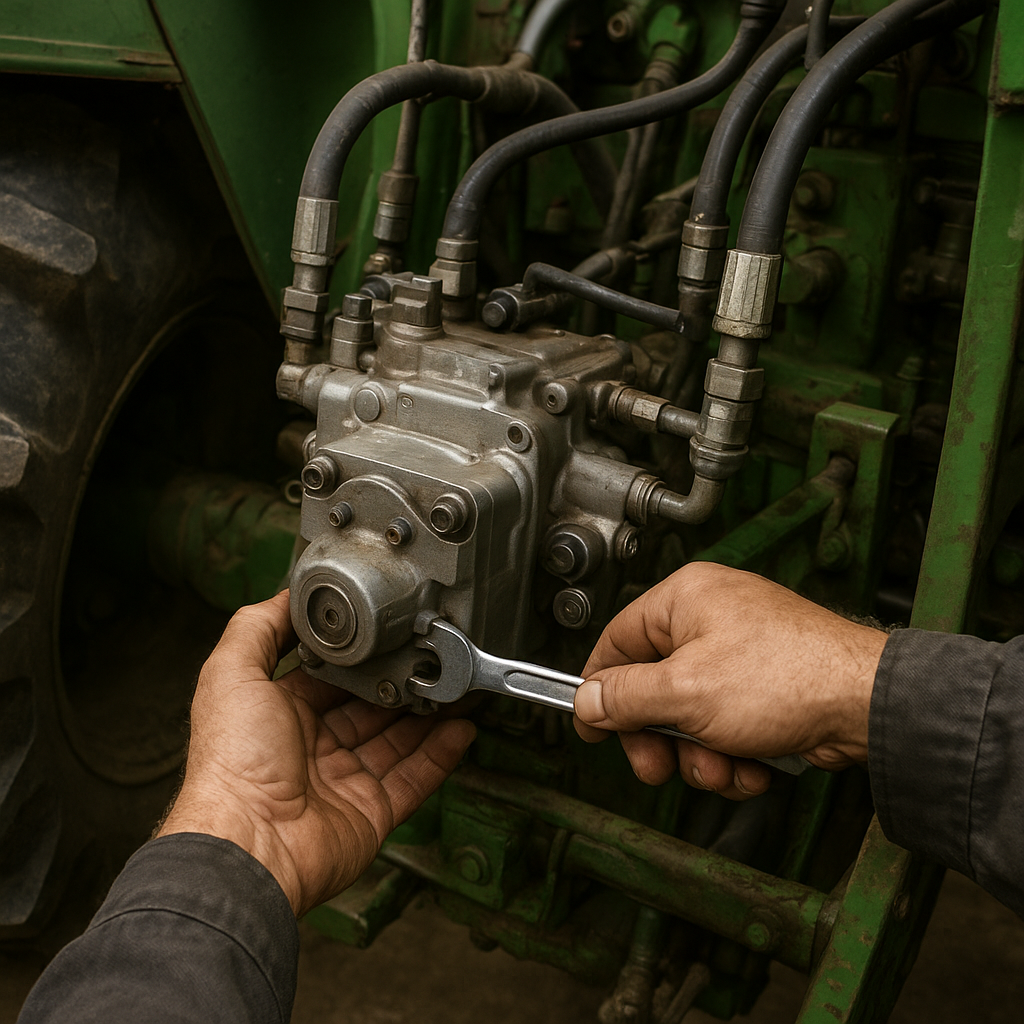
- Activate each hydraulic control to lift and lower implements, observing for jerky movement or unusually slow response. This tests the hydraulics and pump health.
- Inspect hoses for cracks, bulges, or dry rot. A burst hose can lead to rapid fluid loss and costly downtime.
- Check the condition of couplers and quick-attach fittings. Worn connections may leak or fail under load.
Transmission and Clutch
- Engage all gears and ranges. The transmission should shift smoothly without grinding or hesitation.
- While the tractor is stationary, depress the clutch pedal. It should feel firm and consistent; spongy resistance could indicate worn plates or air in the system.
- Listen for whining noises during gear changes—this may point to bearing wear or misalignment.
Frame and Chassis
- Examine the main frame rails for cracks and signs of rust. Structural damage can compromise safety and resale value.
- Look for weld repairs or fresh paint, which may conceal past damage or structural reinforcement.
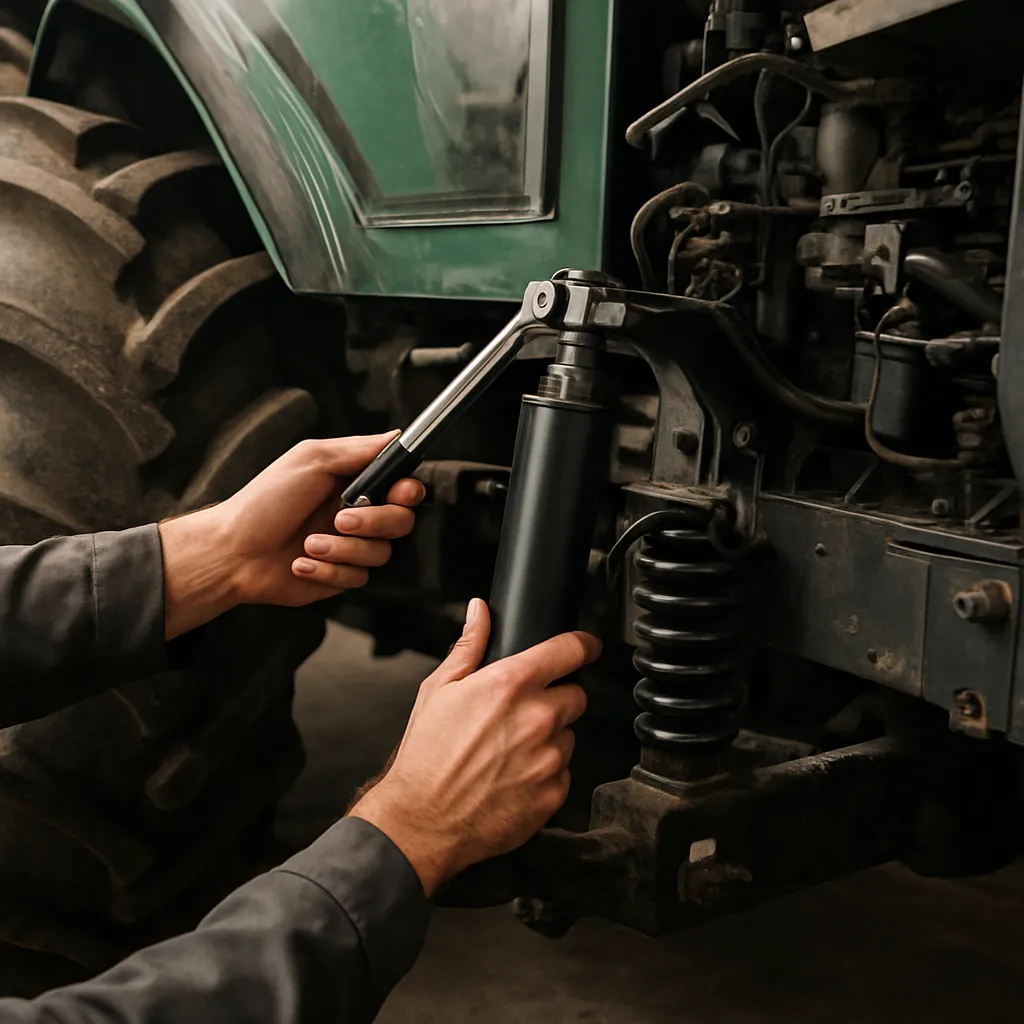
- Check the drawbar and hitch assembly for wear and alignment. Bent or cracked tow points are red flags.
Tires and Wheels
- Inspect tire treads for uneven wear, which can indicate alignment issues or improper inflation.
- Examine sidewalls for cuts, gouges, or bulges. Tires in poor condition can lead to blowouts under heavy loads.
- Verify wheel lug tightness and look for signs of corrosion around the rims that could lead to air leaks.
Operational Test and Documentation Review
After the static checks, move on to dynamic testing and paperwork verification to confirm the tractor’s legal and operational standing.
Test Drive Procedures
- Warm the engine to normal operating temperature. Pay attention to temperature gauge readings and thermostat performance.
- Drive at varying speeds and through all gear ranges, listening for unusual noises from the transmission or rear axle.
- Operate the front-end loader or other attachments to evaluate stability and visibility from the operator’s station.
- Perform a full stop and emergency brake test. The brakes should engage evenly without pulling to one side.
Operational Comfort and Ergonomics
- Assess seat condition and suspension. A damaged or uncomfortable seat can cause fatigue during long hours.
- Check visibility from the cab, ensuring mirrors and windows are clear and well-adjusted.
- Test all electrical components: lights, turn signals, and any optional accessories like a radio or climate controls.
Documentation and Legal Verification
- Examine the title or bill of sale for clear ownership and absence of liens. Verify serial numbers match the chassis plates.
- Review any warranties or service contracts transferable to the new owner. This documentation can provide valuable coverage.
- Check import papers or emissions certification if local regulations require compliance.
Completing these steps will give you confidence in the tractor’s mechanical integrity and legal status. Armed with a thorough inspection and reliable records, you can negotiate a fair price and invest with peace of mind.