Understanding the financial dynamics behind owning or leasing a tractor can significantly influence a farm’s bottom line and operational strategy. This article delves into key considerations that shape the decision between purchasing and leasing, drawing on real-world scenarios to highlight benefits, challenges, and best practices. Whether you manage a small family farm or oversee large-scale agricultural operations, mastering these economic factors can enhance overall productivity and streamline your resource allocation.
Cost Comparison: Upfront Investment and Long-Term Expenses
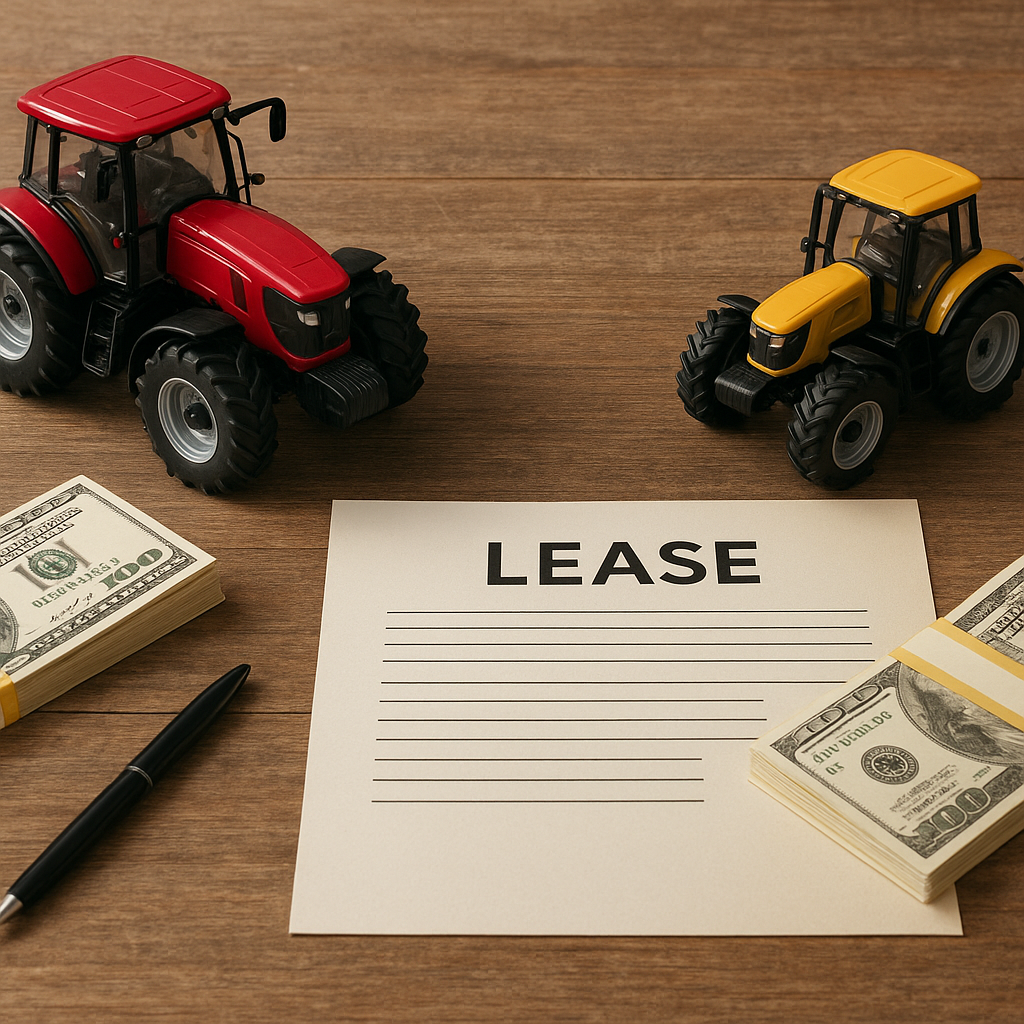
When a farmer evaluates the choice to buy or lease a tractor, the first consideration is often the difference in initial cash outlay. Purchasing requires a substantial down payment or full payment at acquisition, tying up valuable capital. Leasing, by contrast, typically involves periodic payments spread over the lease term, preserving cash flow for other farm operations. However, the total cost over time can vary depending on several factors:
- Depreciation: Owned tractors lose value over years of use. Owners bear the full brunt of depreciation, influencing resale or trade-in value.
- Financing rates: Interest rates on loans impact the effective cost of ownership. Low rates make buying more attractive, while high rates can tilt the balance toward leasing.
- Lease structure: Closed-end versus open-end leases determine who absorbs the residual value risk at lease maturity.
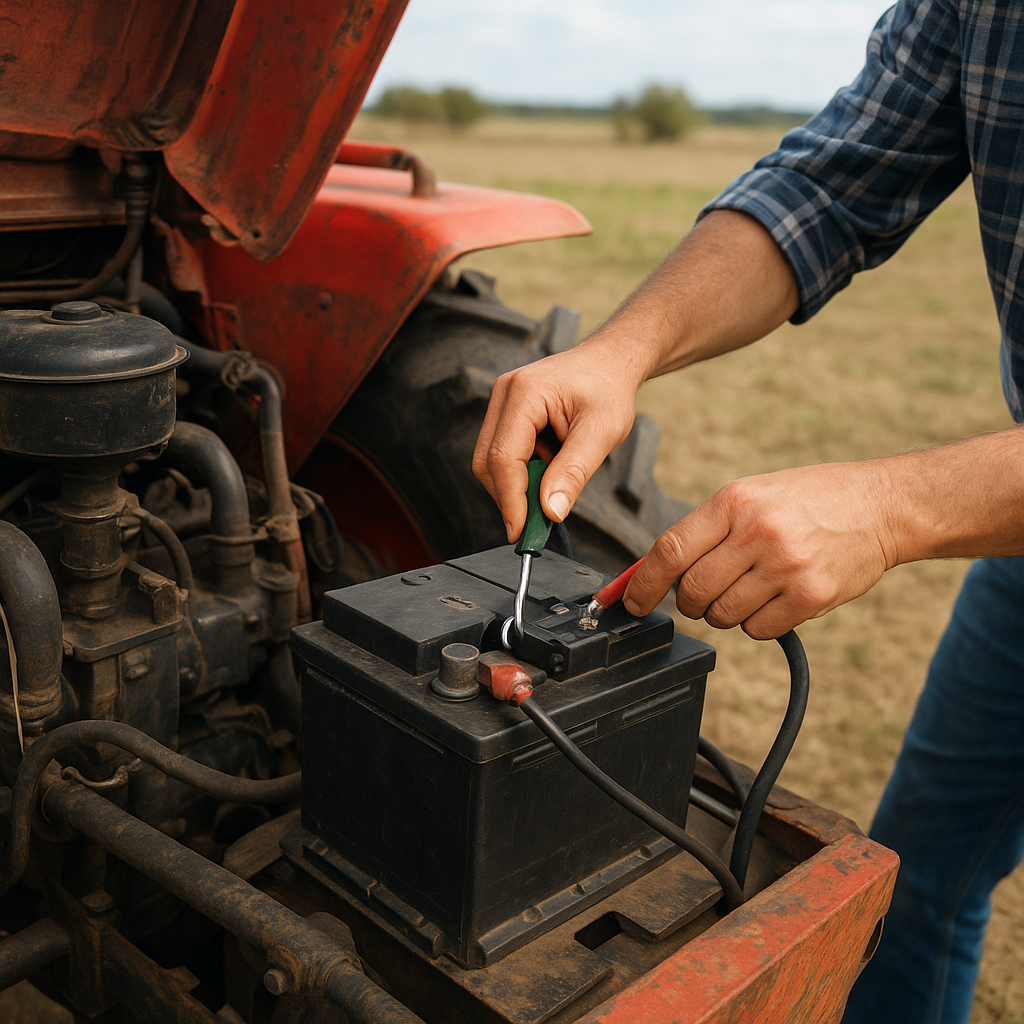
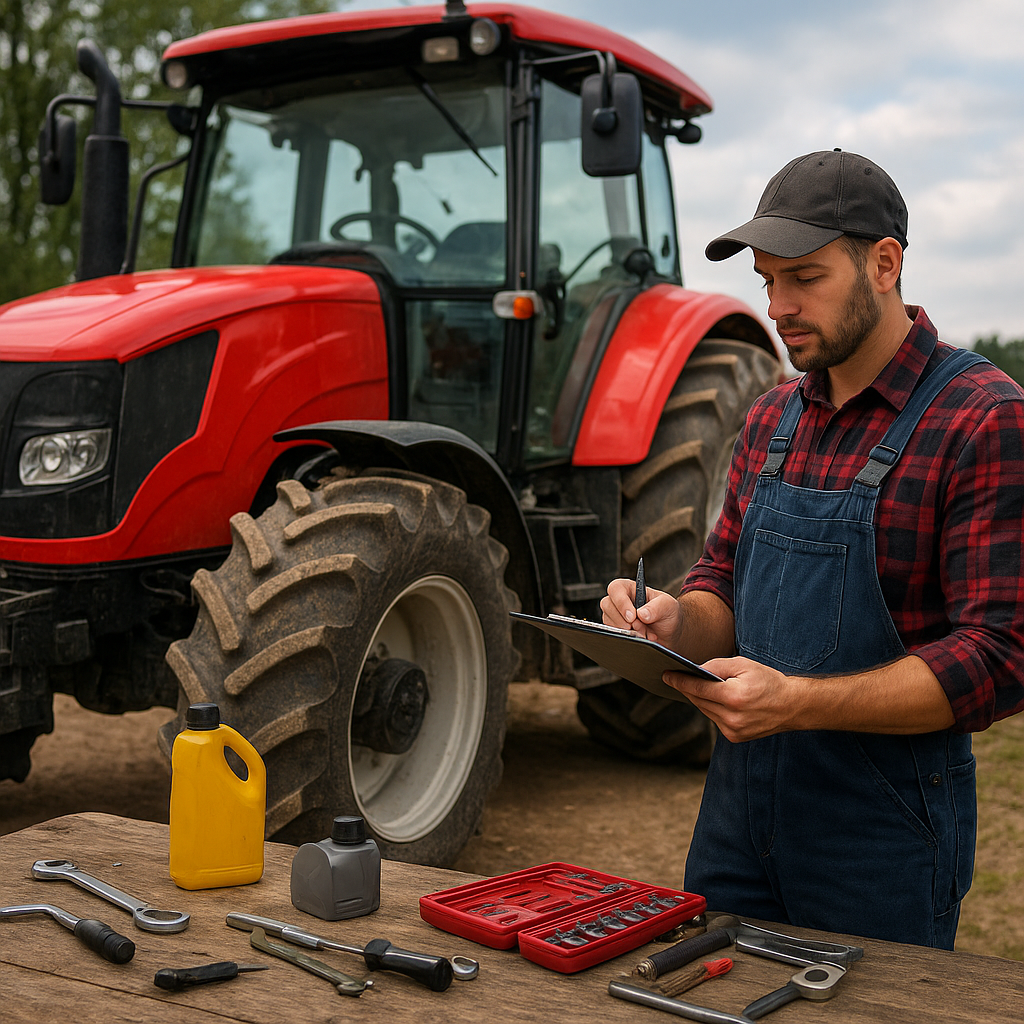
- Maintenance obligations: Ownership often includes unexpected repair costs, while many lease agreements cover routine servicing.
In practice, small-scale producers may find leasing appealing to avoid large upfront expenses, whereas long-term heavy users might prefer buying to maximize asset control after loan repayment. A detailed analysis of total cost of ownership (TCO) versus total lease costs is essential for an informed decision.
Operational Efficiency and Technological Advancements
Tractors today integrate cutting-edge features such as GPS guidance, telematics, and precision-planting systems. Staying current can boost overall productivity but also demands frequent hardware upgrades. Below are considerations regarding operational efficiency:
- Access to the latest technology: Leasing can grant regular equipment turnover, ensuring continuous access to advanced implements without the burden of selling outdated units.
- Downtime minimization: Lease service packages often include preventive maintenance and priority repairs, reducing unplanned downtime.
- Flexibility in fleet size: Seasonal demand fluctuations may require more tractors during planting and harvesting and fewer during off-peak months. Leasing allows scaling up or down more readily than buying.
- Customization: Ownership offers the freedom to modify tractors (e.g., adding specialized tires or implements), whereas leases typically restrict alterations.
For operations that rely on optimal uptime and the latest agri-tech, leasing can be a strategic tool. Conversely, farms with stable activity levels and dedicated maintenance personnel might benefit from owning the machines outright, customizing them to suit unique field conditions.
Financial Flexibility and Risk Management
An important aspect of any capital decision is how it affects the farm’s balance sheet and cash flow. Ownership appears on the asset side, complemented by associated loan liabilities. Leasing, in many cases, is treated as an operating expense, leading to improved financial ratios:
- Liquidity: By limiting initial outlays, leasing preserves working capital for seeds, fertilizers, or unplanned expenses.
- Credit lines: Less collateral tied up in owned assets may free borrowing capacity for other investments.
- Risk sharing: In open-end leases, the lessee bears the risk of residual value shortfalls. Closed-end leases shift that risk to the lessor, offering predictable expenses.
- Taxation: Lease payments often qualify as deductible operating expenses, whereas depreciation and interest deductions apply to owned tractors. The net tax benefit depends on the farm’s individual tax bracket and overall asset base.
Farms facing volatile commodity markets or weather-related uncertainties might lean toward leasing to cushion balance sheet volatility. Conversely, stable, high-margin enterprises may choose ownership to capture residual value gains once loans are repaid.
Decision Factors and Best Practices in Equipment Management
Choosing the right path requires a holistic review of operational needs, financial health, and long-term strategy. Here are best practices to guide the decision:
- Perform a break-even analysis comparing the total cost of ownership against total lease payments over a typical crop cycle.
- Assess historical usage patterns: High annual hours on a tractor tend to favor purchasing, while low to moderate usage may make leasing more economical.
- Obtain multiple quotes: Compare lease structures and loan offers from different vendors to secure the most competitive terms.
- Include all hidden costs: Factor in insurance, licensing, storage, and decommissioning or return fees.
- Plan for upgrade cycles: If technology obsolescence is a concern, shorter lease terms or rent-to-own arrangements can offer a compromise.
- Collaborate with a financial advisor or farm accountant to align the decision with overall business goals and cash flow projections.
Ultimately, the choice between owning and leasing a tractor hinges on balancing the desire for long-term asset ownership with the need for operational efficiency and financial stability. By methodically evaluating each variable—acquisition costs, maintenance responsibilities, tax implications, and risk exposure—farmers can tailor their equipment strategy to match both current needs and future growth aspirations.