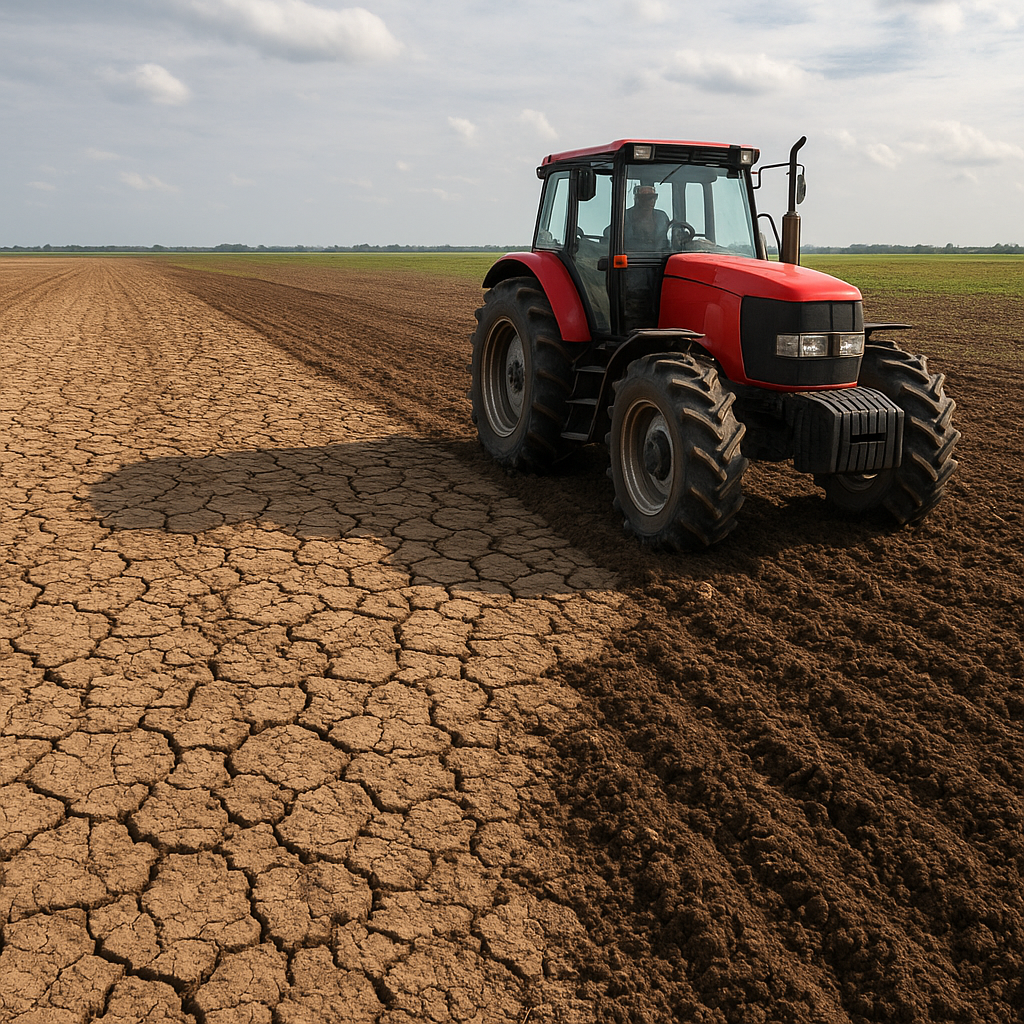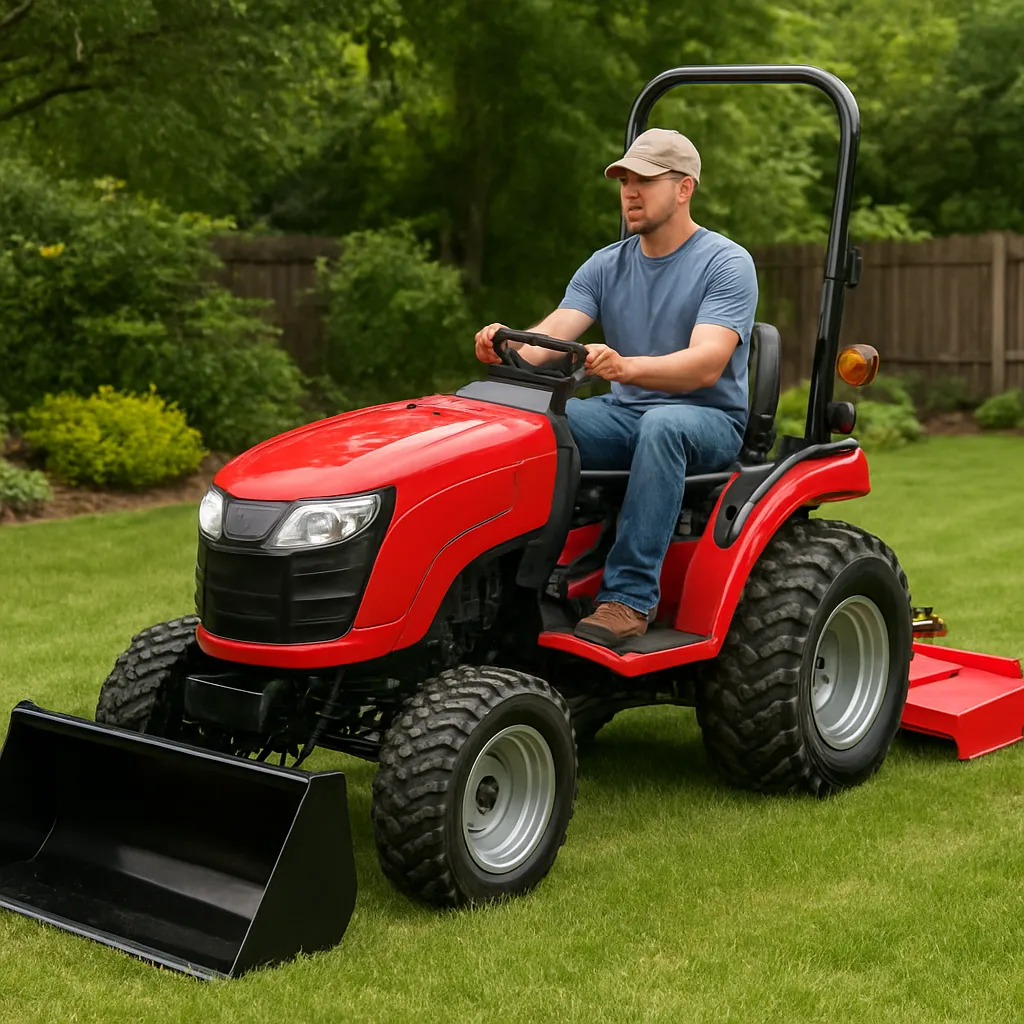
The arrival of the modern tractor has marked a profound shift in the way rural communities cultivate land and manage resources. Its introduction not only accelerated the pace of farming but also fostered social and economic revolutions across the globe. From steam-powered behemoths of the 19th century to today’s GPS-guided machines, tractors symbolize more than raw power—they embody the spirit of innovation and transformation that continues to reshape every corner of agriculture.
Evolution of the Tractor
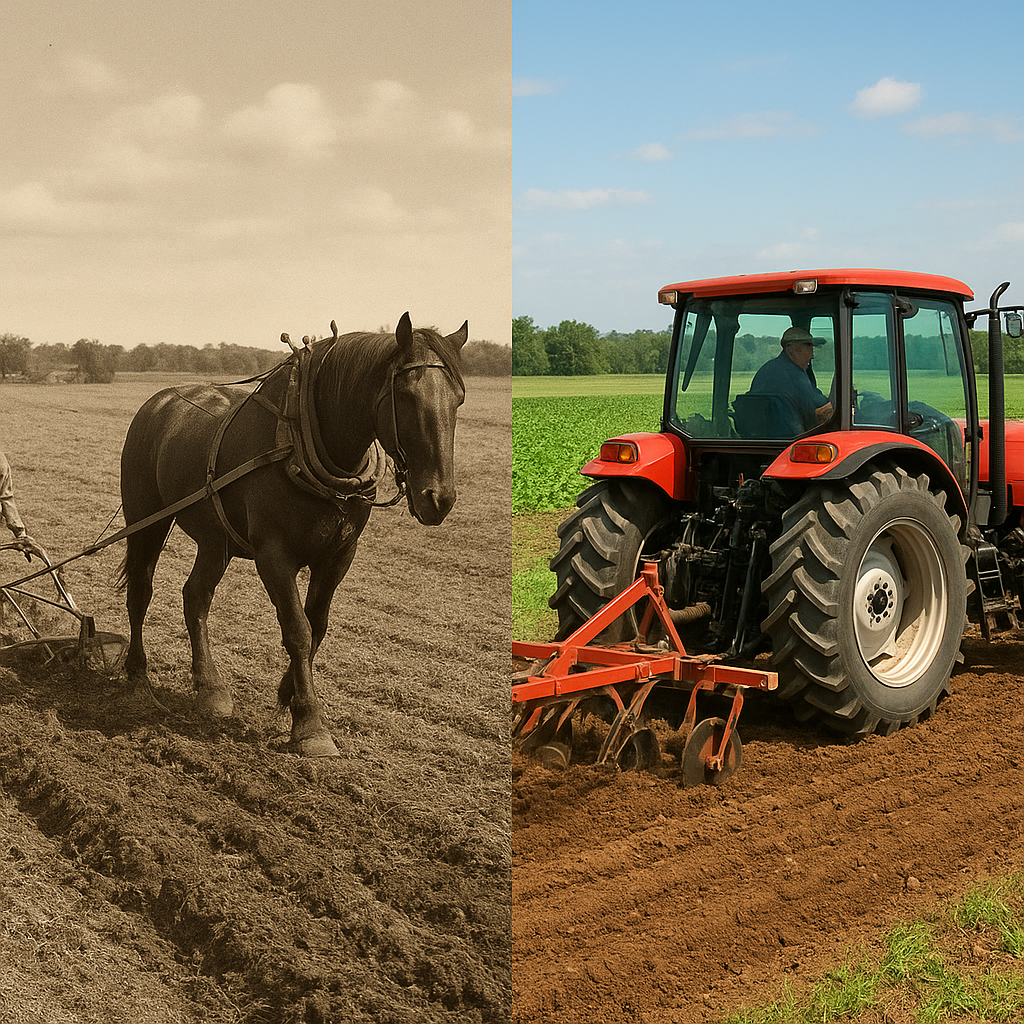
The journey began with horse-drawn plows, where fields were prepared by teams of animals and human labor. The first self-propelled tractors emerged in the late 1800s, driven by steam engines that weighed several tons. These mechanical giants drastically cut down the time needed to break ground but were soon replaced by lighter, more versatile internal combustion models. By the 1920s and 1930s, gasoline and diesel tractors dominated, offering dependable power combined with increasing efficiency.
Key milestones in this evolution include:
- Early steam tractors that powered threshing machines and traction engines
- Introduction of caterpillar tracks in the 1910s for improved traction in soft soils
- Widespread adoption of diesel engines in the 1930s for fuel economy and torque
- Hydraulic hitch systems in the 1940s that simplified attachment changes
- Late-20th-century integration of electronics and onboard computers
Each improvement signified a leap toward greater mechanization, shaping modern farming practices and spurring the development of specialized implements such as balers, planters, and sprayers. This deep history underscores how a single machine drove the transition from manual tasks to highly automated operations.
Revolution in Farm Productivity
Tractors unlocked unprecedented levels of productivity on farms of all sizes. A task that once required countless hours of manpower could now be completed in a fraction of the time, allowing farmers to cultivate more acres and diversify their crops. Precision farming techniques further refined these gains by using sensors and GPS technology to tailor treatments to soil conditions, minimizing waste and maximizing yields.
Major benefits include:
- Accelerated land preparation and planting schedules
- Reduced labor costs through mechanized seeding, tilling, and harvesting
- Enhanced uniformity in crop establishment leading to higher yields
- Improved timing of field operations, crucial for managing weather-dependent tasks
By streamlining operations, tractors have boosted farm incomes and contributed to global food security. Smallholder farmers now compete more effectively with large agribusinesses as modern tractors become more accessible through leasing programs, cooperatives, and microfinancing. This democratization of technology has encouraged more sustainable practices and increased rural communities’ resilience in the face of economic challenges.
Social and Economic Transformations
Beyond the fields, tractors catalyzed changes in rural society. As farming became less labor-intensive, families transitioned away from subsistence agriculture toward diversified livelihoods. Many moved to nearby towns, fueled by the need for services, maintenance, and parts supply. This migration fostered the growth of rural u2018service hubsu2019 where equipment dealers, repair shops, and agronomists established permanent presences.
Economic impacts:
- Expansion of rural infrastructure, including roads and storage facilities to support heavy machinery
- Emergence of farm equipment dealerships and aftermarket parts industries
- Creation of vocational training programs focusing on agricultural mechanics and technology
- Growth of contract farming and custom hire services, enabling smallholders to rent high-tech tractors
Socially, the reduced demand for manual labor led to both opportunities and challenges. While some rural workers found new roles in equipment operation and maintenance, others sought employment in urban centers. This shift altered family dynamics and education patterns, as younger generations pursued technical degrees and specialized training.
Environmental Considerations and Future Outlook
Modern tractors face scrutiny over fuel consumption and emissions. However, manufacturers are responding with advancements in sustainability and efficiency. Innovations include:
- Hybrid and fully electric drivetrains to reduce greenhouse gases
- Precision application systems that minimize overuse of fertilizers and pesticides
- Autonomous navigation technologies that optimize field passes and fuel use
- Use of biofuels and renewable energy sources in tractor design
Looking ahead, tractors will integrate even more with digital farming platforms. Real-time data on soil moisture, nutrient levels, and crop health will be transmitted to cloud-based systems, enabling farmers to make data-driven decisions. Robotics and machine learning algorithms promise to further refine tasks like weed control and targeted irrigation.
In this evolving landscape, the tractor remains the cornerstone of rural development. Its capacity to combine raw power with advanced technology ensures that agriculture continues its march toward greater modernization. As farmers embrace new practices, they stand to gain improved yields, more robust soils, and a healthier planet for generations to come.