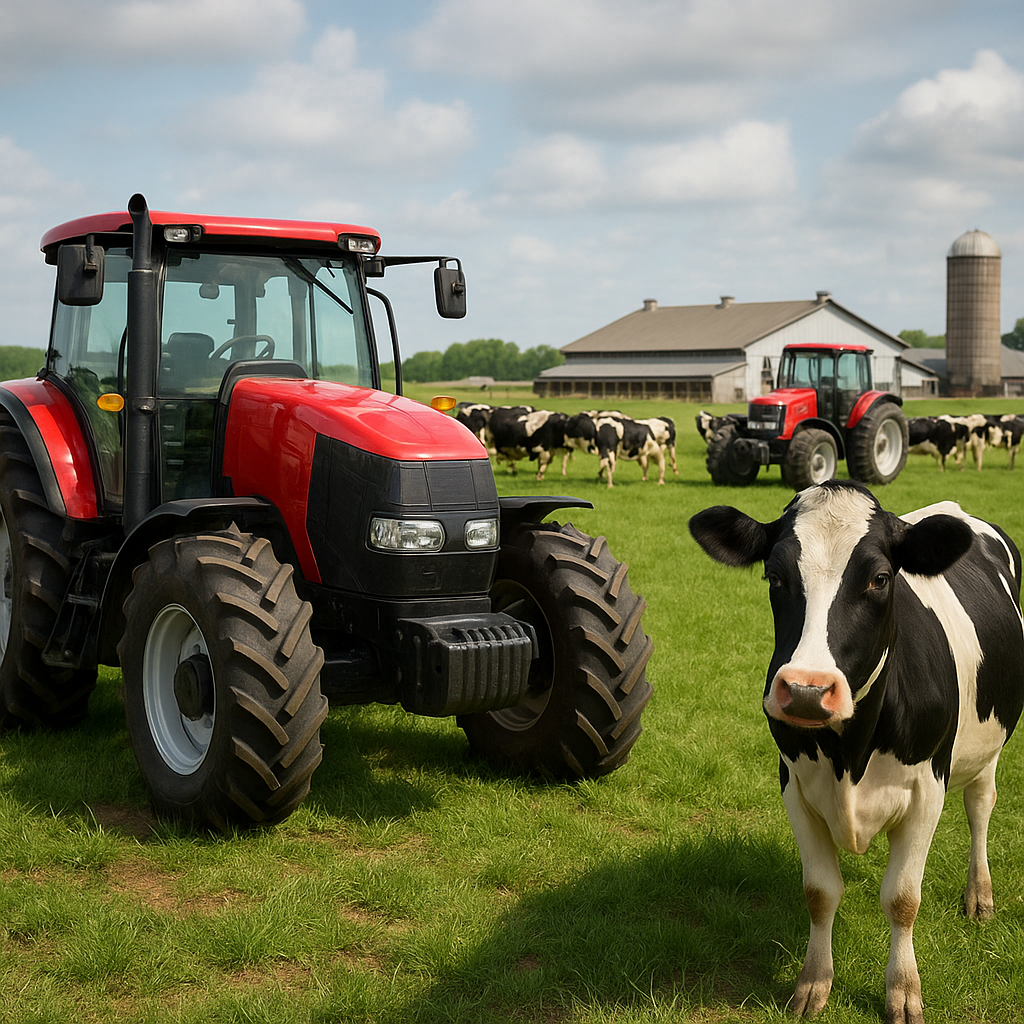
Choosing the right machinery can transform daily routines on a dairy operation by improving efficiency, cutting costs, and boosting overall herd health. Tractors play an indispensable role in tasks ranging from feeding and bedding preparation to manure handling and fieldwork. This comprehensive guide explores core equipment requirements, highlights leading models designed for dairy applications, and outlines strategies to maximize uptime and performance.
Equipment Needs on Modern Dairy Operations
Balancing Power and Versatility
Dairy producers must prioritize horsepower to match the scale of their herd and acreage. A tractor with insufficient power can delay critical fieldwork, while oversizing leads to wasted fuel and increased wear. Most medium to large dairy farms benefit from machines in the 100–200 HP range, offering the right blend of towing capacity and agility. Tractors in this class excel at pulling forage harvesters, loading silage wagons, and operating hay bale wrappers.
Essential Attachments and Implements
Success on the dairy farm often depends on seamless integration between the tractor and its tools. Key attachments include:
- Front-end loader for stacking hay and moving feed bales
- Manure spreader or vacuum pump for waste management
- Silage defacer to maintain bunk feed quality
- Bale spear and bale grab for efficient handling
- Three-point linkage implements such as cultivators or seeders for crop rotations
When selecting each attachment, confirm compatibility with the tractor’s hydraulic system, weight capacity, and hitch type to safeguard against breakdowns.
Top Tractor Models for Dairy Farms
John Deere 6M Series
The John Deere 6M lineup stands out for its blend of fuel efficiency, ride comfort, and modular power options (110–175 HP). Key features include:
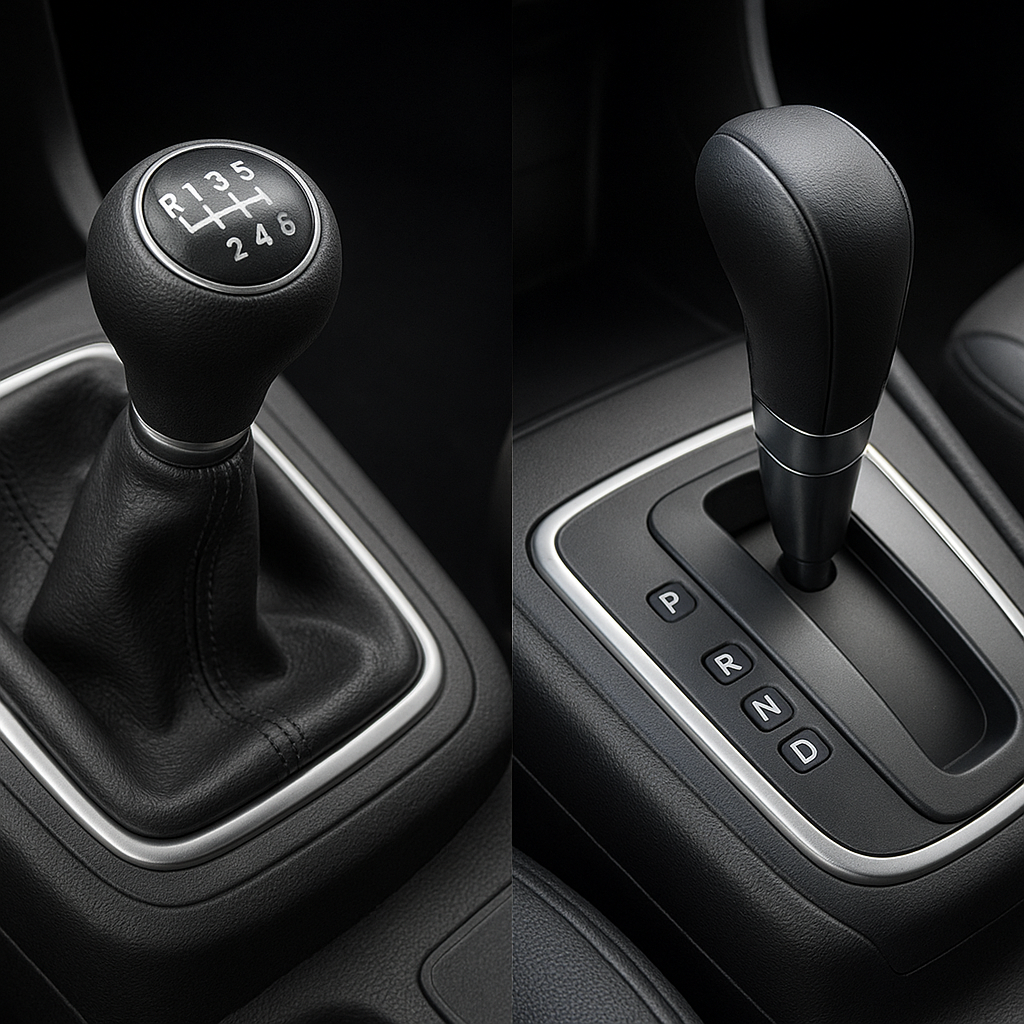
- AutoPowr™ transmission for smooth variable speed control
- Integrated precision guidance system for repeatable field patterns
- LED lighting package to extend operational hours
New Holland T7 Series
New Holland’s T7 range (155–300 HP) offers robust engines with ECOBlue™ HI-eSCR technology that cuts emissions without sacrificing output. Farm managers appreciate the spacious cab and easy-to-use CommandGrip™ joystick that simplifies loader work.
Kubota M7 Series
Kubota has earned a reputation for durability and resale value. The M7 Series (150–170 HP) features:
- Hydrostatic transmission option for loader-intensive tasks
- High-capacity cooling system suitable for hot climates
- Factory-installed front linkage and PTO for rapid implement hookup
Case IH Farmall 100C
For smaller operations or second farm use, the Farmall 100C delivers 100 HP in a compact package, emphasizing maneuverability in tight barns and feed alleys. Its standard front loader and optional Mid-PTO appeal to producers seeking a do-it-all machine without unnecessary extras.
Massey Ferguson 5700 SL Series
Massey Ferguson’s agricultural icon has evolved with updated cab ergonomics and Selective Catalytic Reduction (SCR) engines. The 120–140 HP range supports both high-clearance work and precision tillage thanks to its Dyna-4 transmission and easy maintenance points.
Maintenance Strategies and Uptime Optimization
Routine Preventive Maintenance
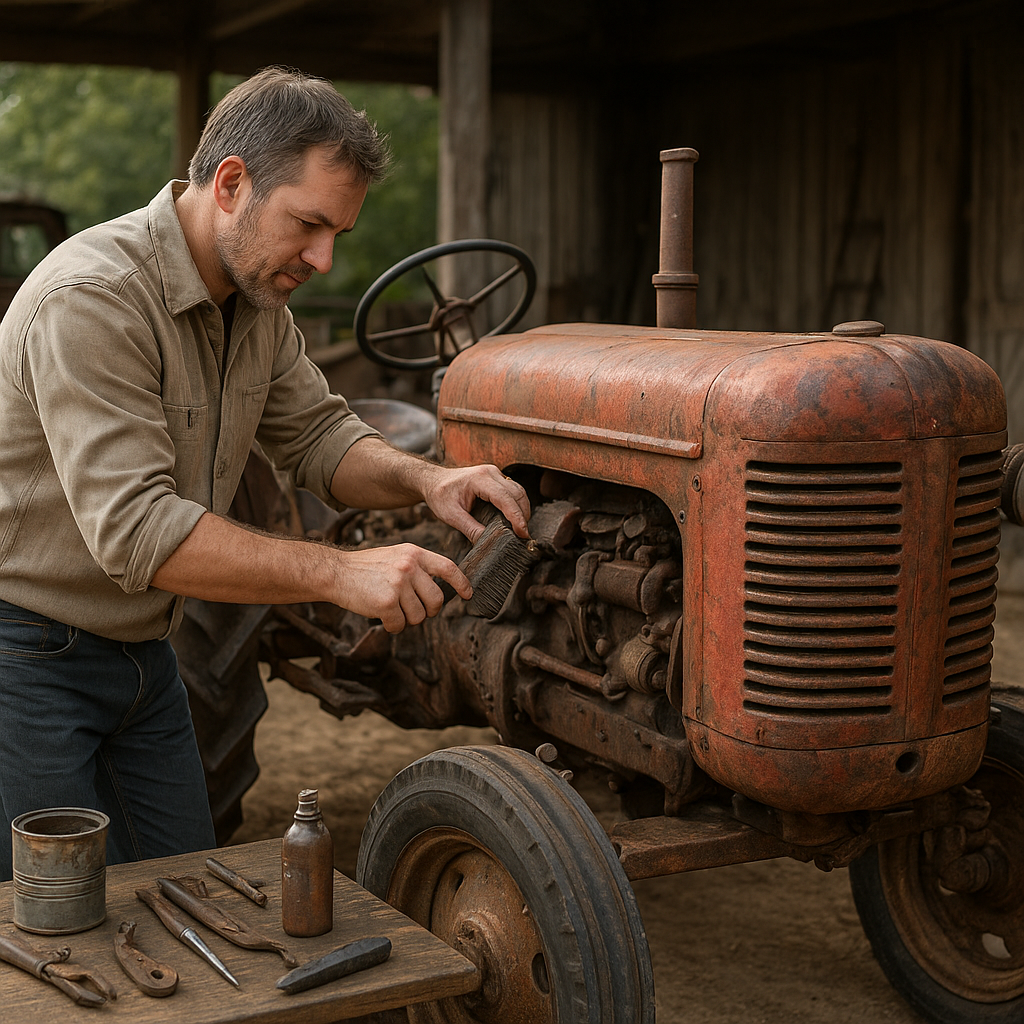
A rigorous maintenance plan extends the lifespan of tractors and prevents costly downtime. Producers should:
- Check fluid levels (engine oil, hydraulic fluid, coolant) daily
- Inspect air filters weekly, especially in dusty conditions
- Grease fittings and moving joints according to manufacturer intervals
- Monitor tire pressure and tread wear before field tasks
Documenting each service helps forecast future expenses and ensures compliance with warranty requirements.
Utilizing Precision Monitoring Tools
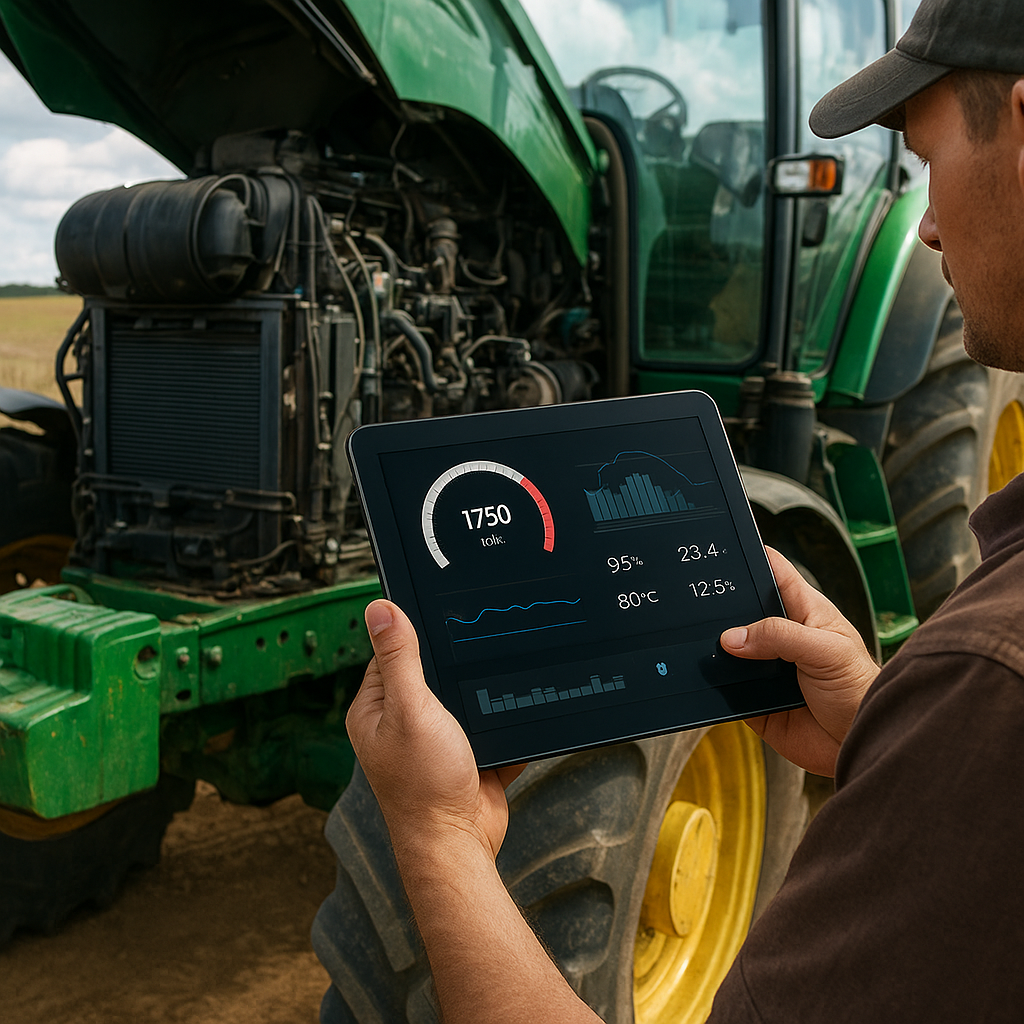
Advancements in telematics allow dairy farms to track equipment in real time. GPS-based systems deliver insights into fuel consumption patterns, idle times, and field coverage rates. Integrating these analytics enhances precision management, enabling operators to spot inefficiencies and adjust operating parameters.
Training and Operator Comfort
Well-trained staff contribute to both durability and safety. Investing in formal training on tractor controls, hitching procedures, and loader operation reduces accident risks and mechanical abuse. Adjustable seats, climate control, and intuitive interfaces improve operator focus during long shifts, ultimately boosting overall productivity.
Financing Options and Long-Term Investment Value
Comparing Purchase Versus Lease
Dairy operations often evaluate ownership models based on herd size and cash flow. Purchasing outright involves higher initial capital but secures full asset control and potential tax deductions through depreciation. Leasing or rental agreements lower entry costs and offer easy upgrades to newer technology, though total long-term investment may be higher.
Government Incentives and Programs
Numerous regions provide cost-sharing grants and low-interest loans for farm equipment purchases that promote sustainable practices. For example:
- Emissions-reduction rebates for Tier 4 engines
- Renewable energy grants for biogas or anaerobic digester integration
- Cost-share programs for precision agriculture tools
Engaging with your local agricultural extension office can unlock these opportunities and ease financial burdens.
Calculating Return on Investment
To measure ROI, tally all tractor-related expenses (purchase or lease payments, fuel, maintenance) and compare them against productivity gains such as reduced labor hours, higher feed accuracy, and improved crop yields for forage. A machine that enhances daily routines by even 5–10% can recover its cost in a few seasons through labor savings and increased herd performance.
Key Takeaways:
- Select tractors with appropriate horsepower and hydraulic capacity.
- Emphasize fuel efficiency and ergonomic design to reduce operating costs.
- Implement a rigorous maintenance schedule to maintain uptime.
- Explore leasing, rebates, and government grants to optimize investment.