Farmers and machinery enthusiasts constantly seek ways to boost tractor performance and efficiency. Implementing smart modifications can transform an average machine into a highly capable workhorse. By focusing on critical areas such as power delivery, hydraulic support, ground contact and precision controls, operators will achieve noticeable improvements. This guide offers actionable advice to guide your next tractor upgrade.
Engine Optimizations for Enhanced Power
Upgrading your tractor’s engine is often the most direct path to increased output. A combination of mechanical adjustments and component replacements can yield significant gains in horsepower and fuel economy.
- High-Flow Air Intake: Installing a performance air filter and redesigned intake manifold improves airflow, leading to cleaner combustion and higher torque.
- Turbocharger Enhancement: Upgrading to a larger or more efficient turbocharger boosts boost pressure and overall power without compromising reliability.
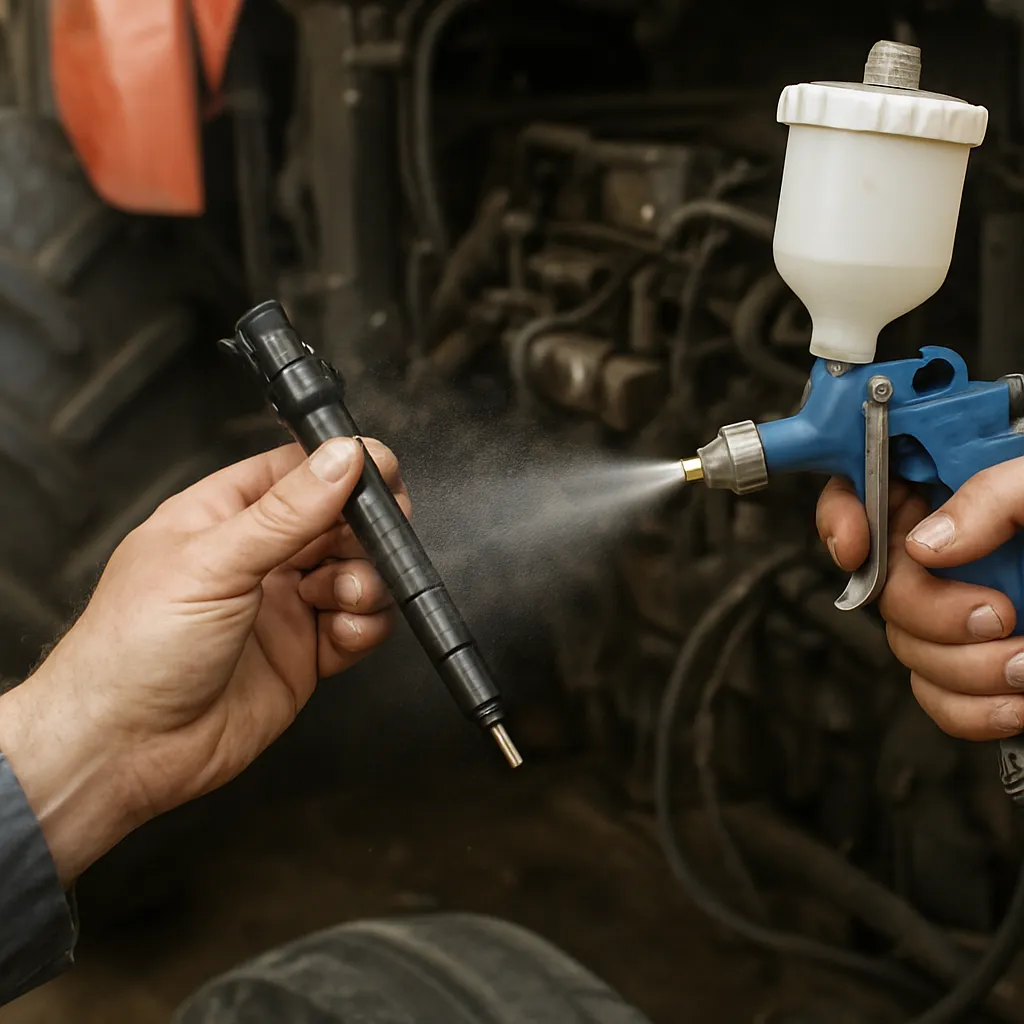
- Advanced Fuel Injection: Converting to electronic fuel injection (EFI) or adjusting existing injectors can optimize delivery for better fuel efficiency and throttle response.
- Re-Tuning the ECU: Custom mapping of electronic control units fine-tunes ignition timing, fuel curves and boost levels, balancing power and economy.
- Exhaust System Upgrade: A low-restriction exhaust manifold and high-flow muffler reduce back pressure, allowing the engine to breathe more freely.
Best Practices for Engine Longevity
Regularly monitor oil pressure and coolant temperature, and use quality lubricants and coolants. This ensures the engine operates within safe parameters, protecting internal components from excessive wear.
Hydraulic System and Attachment Enhancements
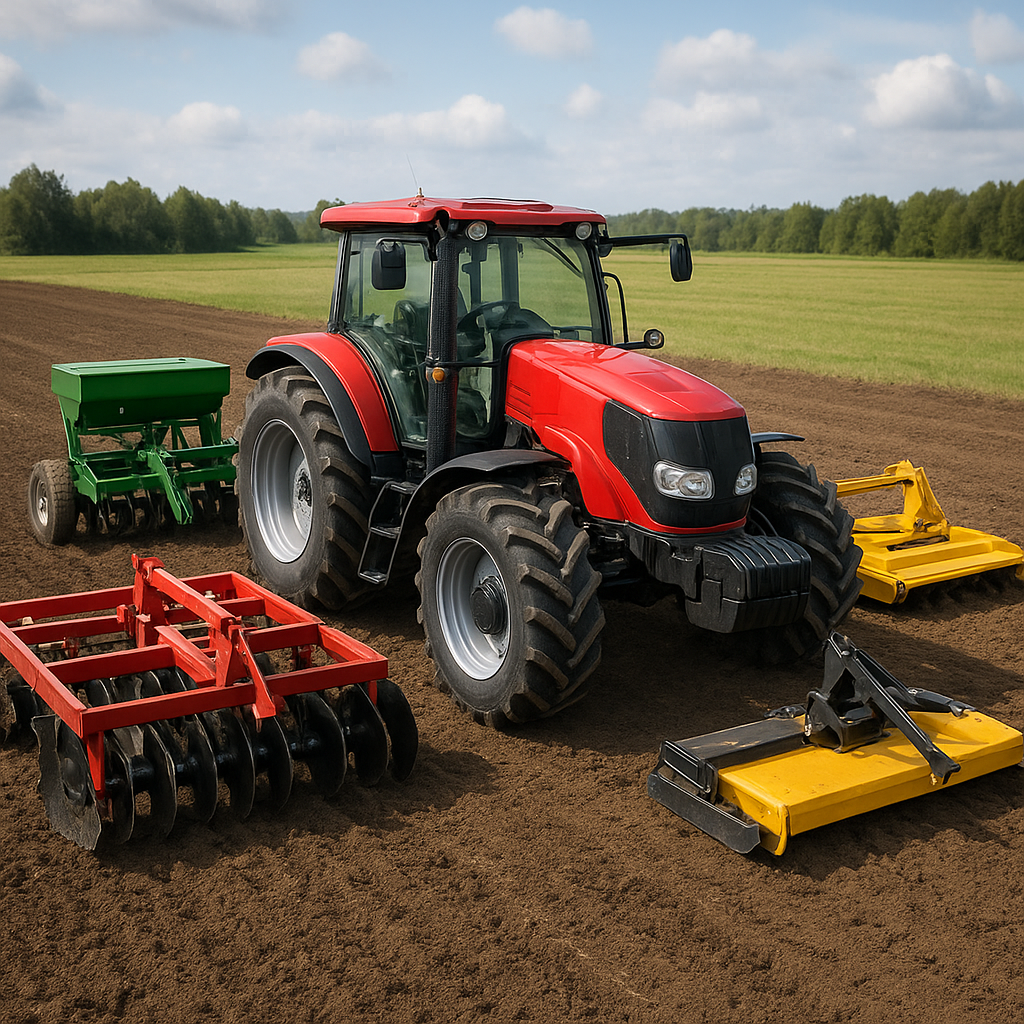
A robust hydraulic setup enhances versatility. By increasing hydraulic capacity and response, you can handle heavier implements and achieve smoother operation.
- High-Capacity Pump: Swap the stock pump for a larger displacement unit, offering higher flow rates for quicker cylinder movement.
- Auxiliary Hydraulics Kit: Adding remote couplers and an external valve bank allows simultaneous operation of multiple attachments like loaders, augers and log splitters.
- Hydraulic Fluid Cooler: Installing an inline cooler maintains optimal fluid temperature during intensive work, preventing breakdown and preserving seal integrity.
- Upgrade Hoses and Fittings: High-pressure steel-braided hoses and quick-connect fittings minimize leaks and improve durability.
Attachment Compatibility
Ensure that all new implements match the tractor’s hydraulic specifications. Consult manufacturer data to verify maximum operating pressure and flow rates.
Improving Traction and Tire Performance
Ground engagement directly affects pulling strength and stability. Enhancing traction reduces slippage, leading to more efficient fieldwork and reduced soil compaction.
- Tire Selection: Replace worn or under-sized tires with agricultural radials designed for your soil conditions to maximize grip and flotation.
- Ballast Management: Properly weight front or rear axles with wheel weights or liquid ballast to optimize weight distribution.
- Dual or Triple Wheels: Installing dual-wheel kits increases contact area, improving traction on soft ground and reducing rutting.
- Regular Pressure Checks: Maintain recommended inflation levels. Overinflation leads to reduced contact patch, while underinflation risks tire damage.
By combining the right tires with correct ballast, you transform a standard tractor into a machine capable of tackling heavy loads with minimal effort.
Advanced Electronics and Control Systems
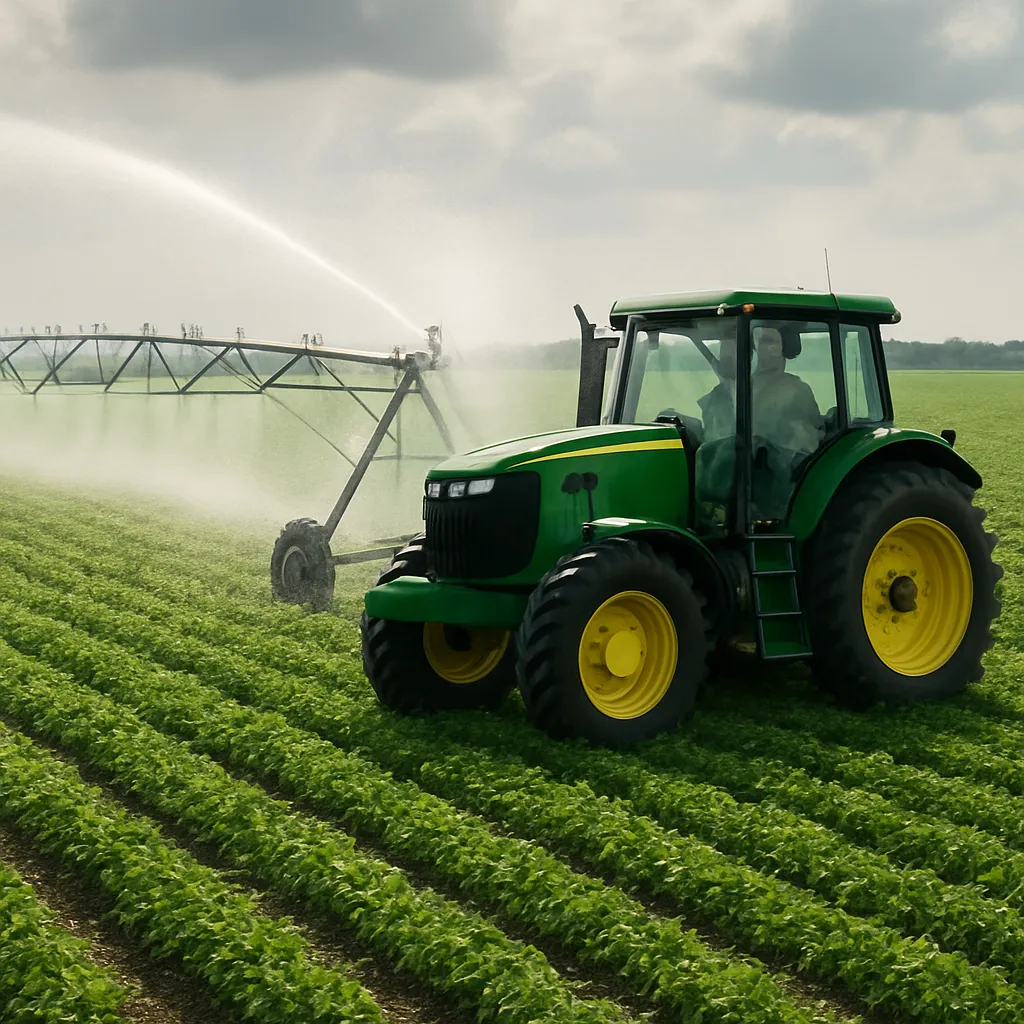
Modern precision agriculture relies on sophisticated electronics to optimize planting, fertilizer application and navigation. Integrating advanced controls can dramatically improve field accuracy and reduce waste.
- GPS Guidance and Autosteer: Installing a satellite navigation system with auto-steer capability ensures perfectly straight rows, reducing overlap and saving time.
- Telematics Integration: Onboard modules transmit performance data in real time, allowing remote monitoring of operational metrics and maintenance alerts.
- Variable Rate Technology (VRT): Implement a VRT-capable control unit to adjust seeding, irrigation or chemical application rates on the go based on soil maps.
- Touchscreen Display: Replace analog gauges with a multi-function touchscreen terminal for streamlined control of multiple systems from a single interface.
Upgrading electronics not only increases accuracy but also enhances operator comfort, reducing fatigue during long hours in the cab.
Routine Maintenance for Long-Term Durability
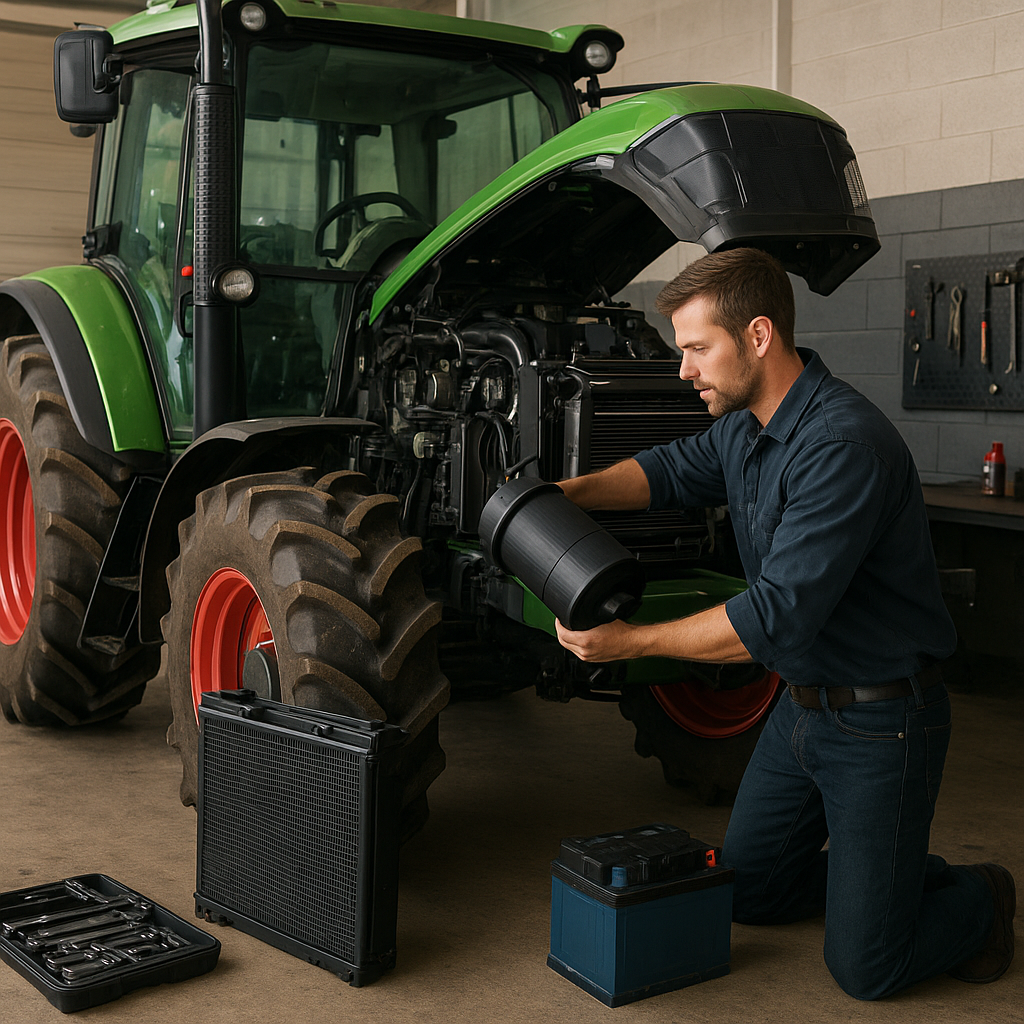
A well-maintained tractor remains more reliable and lasts longer. Consistent service schedules preserve structural durability and overall efficiency.
- Oil and Filter Changes: Follow recommended intervals for engine oil, hydraulic fluid and transmission lubricant. Fresh fluids protect against wear and thermal breakdown.
- Grease Points: Regularly lubricate pivot points, joints and bearings to prevent corrosion and maintain smooth operation.
- Cooling System Service: Flush and replace coolant as specified, ensuring corrosion inhibitors remain effective and radiators are clean.
- Inspection of Belts and Hoses: Check for cracks, fraying or bulging in drive belts and hoses. Replace any components showing signs of deterioration.
- Electrical Connections: Keep battery terminals, wiring harnesses and sensors free from corrosion. Secure loose connectors to avoid intermittent faults.
By prioritizing preventive maintenance, you reduce downtime and extend the productive life of every mechanical and electronic system on your tractor.