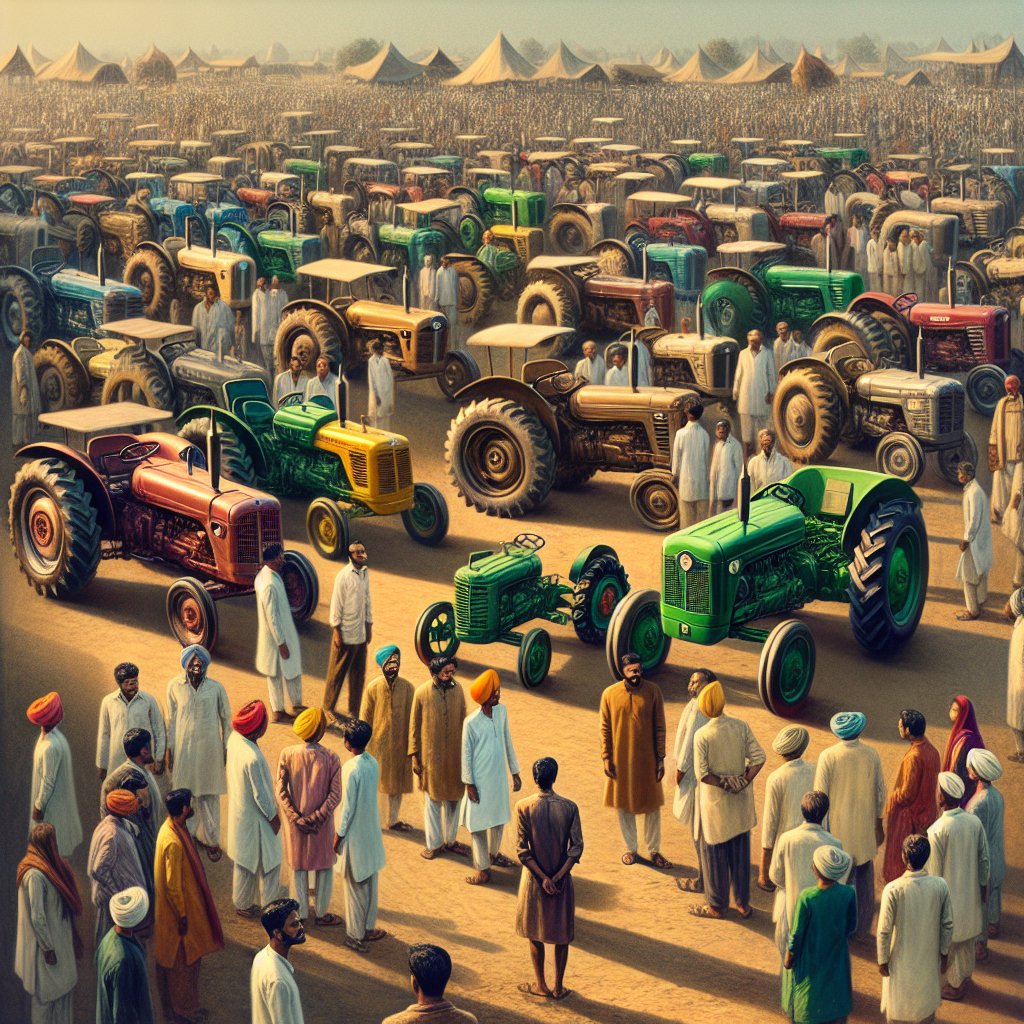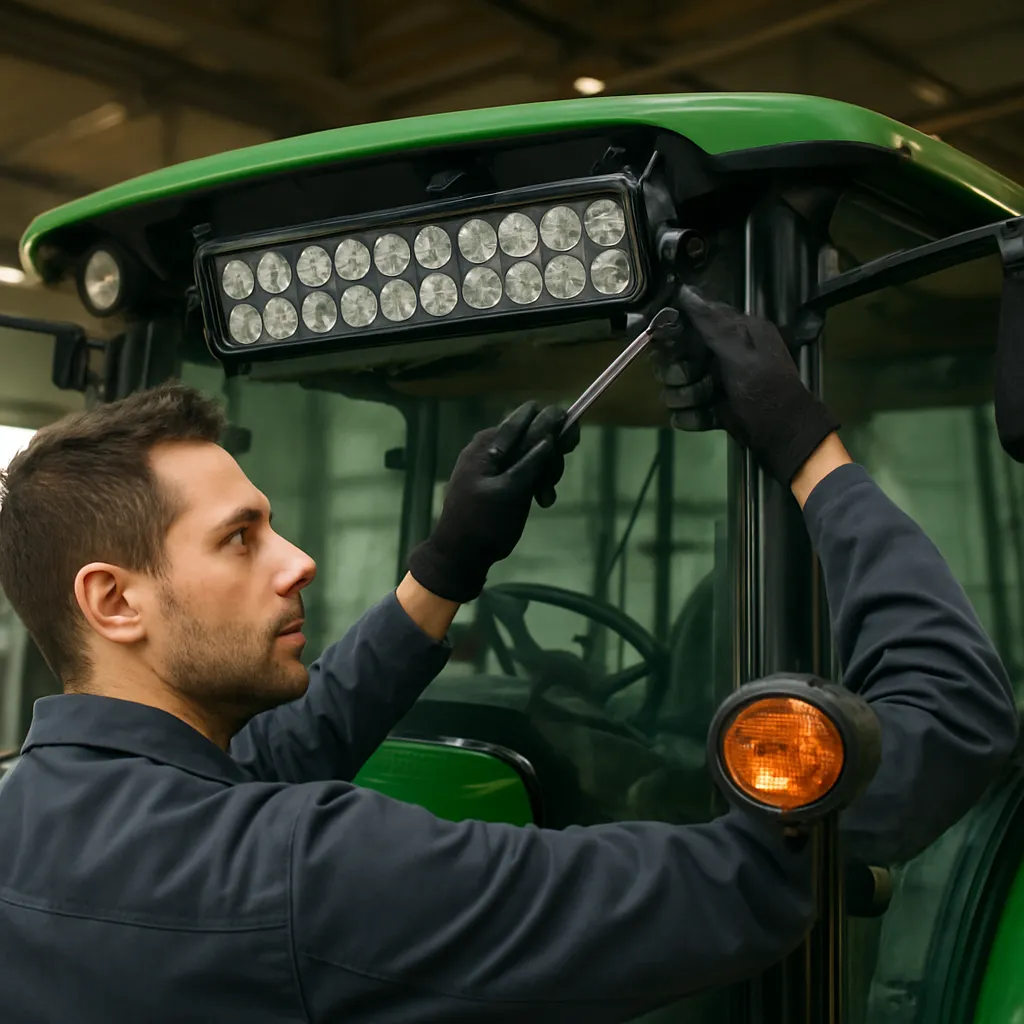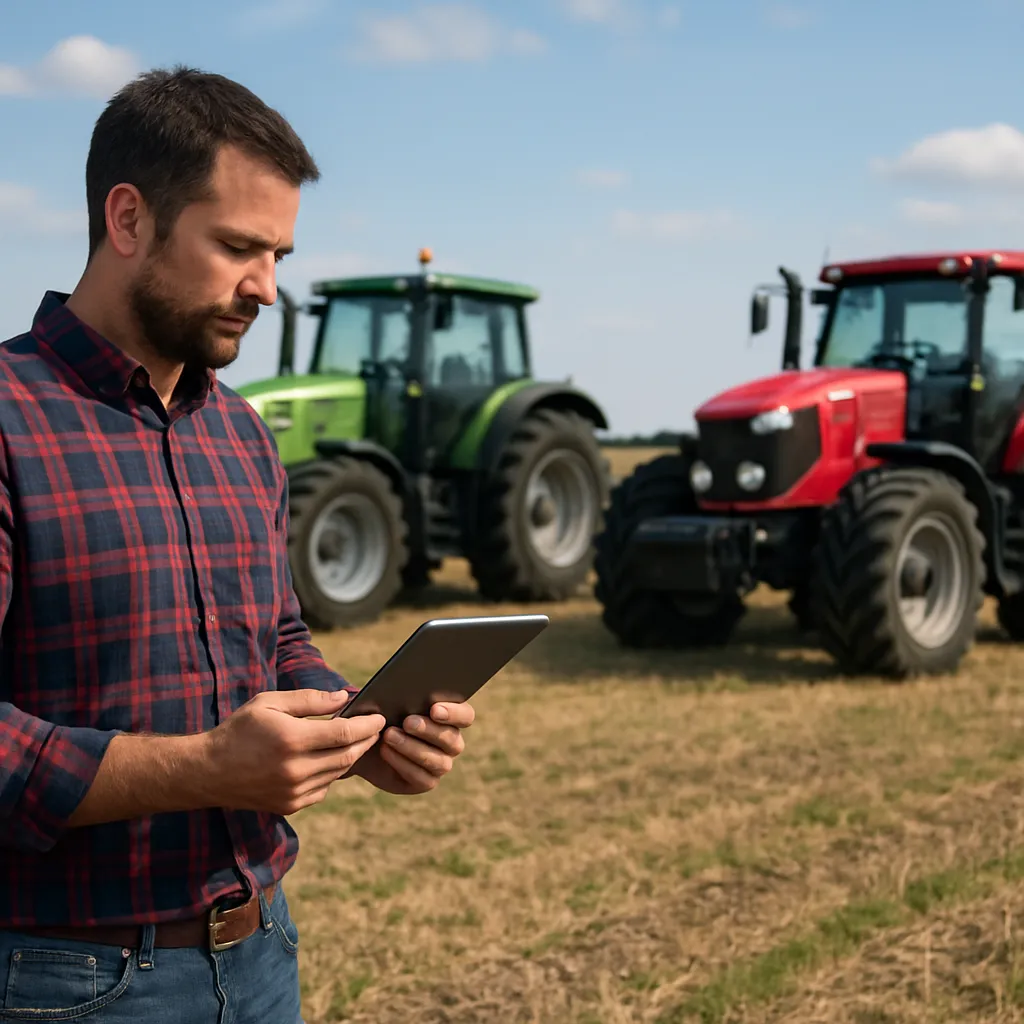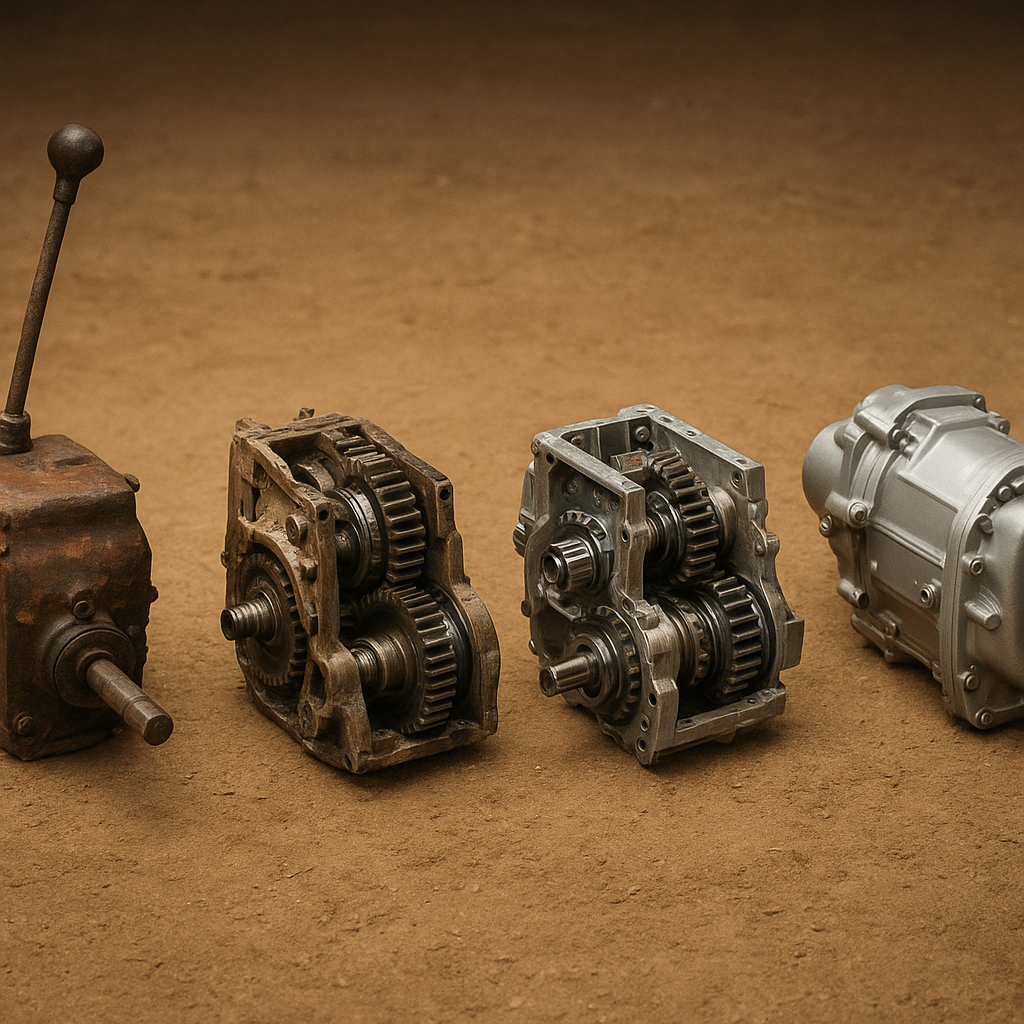
Agricultural tractors have undergone a remarkable transformation in how they deliver power from engine to wheels. The story of tractor transmissions is one of relentless pursuit of efficiency, durability, and seamless operation in the demanding world of farming. From rudimentary belt drives to advanced electronically controlled hydrostatic systems, each innovation has reshaped the way farmers harness torque and adapt machinery to ever-changing field conditions.
Early Innovations in Mechanical Drive
At the dawn of mechanized farming, tractors relied on very simple means to transfer engine output to wheels and implements. These first-generation solutions laid the groundwork for the sophisticated systems in use today.
Belt-Drive Beginnings
- A flat or V-belt looped around engine pulleys and rear wheels.
- Allowed variable speeds by shifting belt position on stepped pulleys.
- Offered versatility but suffered from slippage and limited load capacity.
Introduction of Manual Gearboxes
As engine power increased, belt drives proved insufficient for heavy tillage. Early gearboxes featured:
- Three to five forward gears and one reverse gear.
- Sliding-mesh shifts requiring tractor stoppage to change ratios.
- Direct-drive high gear for transport and lower gears for field operations.
These innovations addressed slippage but still demanded skilled operators to avoid gear clash and maintain safe power delivery.
Hydraulic and Synchronization Breakthroughs
Farmer demand for more flexible, easier-to-use transmissions spurred the rise of hydraulic enhancements and synchronized shifting mechanisms.
Power Take-Off Integration
The addition of a standardized PTO shaft in the mid-20th century enabled tractors to drive external implements directly. Key features included:
- 540 and 1000 rpm PTO speed options.
- Independent PTO clutches for safer start-up and disengagement.
- Ability to power mowers, balers, and sprayers without separate engines.
Synchromesh and Fluid Couplers
To simplify shifting while the tractor is moving, manufacturers introduced:
- Synchromesh gearboxes, employing friction cones to match gear speeds.
- Hydraulic torque converters and fluid couplings, offering smooth power ramp-up and slip buffering.
- Dual-clutch designs improving fuel efficiency and reducing operator fatigue.
Continuously Variable and Hydrostatic Drives
The quest for a broader range of speeds without distinct gear steps led to two major advances: CVT systems and pure hydrostatic drives.
Continuously Variable Transmission (CVT)
CVTs use a belt or chain running between adjustable-diameter pulleys, granting:
- Seamless acceleration from stall to transport speed.
- Optimal engine rpm maintenance for improved fuel economy.
- Enhanced operator comfort through jerk-free shifts.
However, early CVTs faced challenges with belt durability under high torque loads, spurring ongoing material innovations.
Hydrostatic and Hydro-Mechanical Hybrids
Hydrostatic drives convert engine power into pressurized fluid flow, then back into mechanical motion, providing:
- Infinitely variable speed control via a simple lever.
- Reverse operation without clutch engagement.
- Exceptional low-speed torque for precision tasks, such as vegetable transplanting.
Hybrid variants combine gear sets with hydrostatic units, balancing full-load capacity with the stepless control of fluid drives.
Electronic Control and Precision Integration
Modern agricultural demands have elevated transmission control from purely mechanical to highly electronic systems, enabling automation and precise field management.
Electro-Hydraulic Actuation
Solenoid valves and electronic controllers now govern shift timing and clutch engagement:
- Adaptive shift scheduling based on load sensors.
- Load-sensing hydraulics to optimize power distribution to wheels and implements.
- Diagnostic interfaces that alert technicians to wear or faults.
Integration with Precision Farming
Connected transmissions feed data into farm management systems, enabling:
- Autonomous operation with GPS-guided route planning.
- Real-time torque and traction adjustments for variable soil conditions.
- Minimized soil compaction through controlled tire slip and dedicated agronomic profiles.
These capabilities underscore the role of transmission design in advancing overall agricultural innovation.
Emerging Trends and Tomorrow’s Solutions
Looking ahead, tractor transmissions will increasingly intersect with electrification and machine intelligence, delivering new levels of performance.
Electric and Hybrid Propulsion
- Full-electric tractors require less complex mechanical transmissions, relying on direct-drive motors at each wheel.
- Diesel-electric hybrids offer instantaneous torque from electric motors, reducing clutch wear.
- Regenerative braking on inclines or during PTO overload feeds energy back to batteries.
These systems promise reliability with fewer moving parts and lower maintenance demands.
Autonomous and AI-Driven Systems
Future transmissions may:
- Self-optimize shift patterns using artificial intelligence analyzing soil, crop, and weather data.
- Coordinate with drone and satellite imagery to adjust ground speed for ideal planting depth.
- Communicate wirelessly with other machines to share load and terrain information in real time.
Such advancements will redefine the interface between human operators and powerful field machines.