The hydraulic system is a cornerstone of modern tractor design, delivering unmatched power and precise control for a wide range of agricultural tasks. By converting engine energy into pressurized fluid motion, this technology enables machines to perform heavy-duty operations with minimal operator effort. In the fields, where time and efficiency are paramount, a robust hydraulic setup ensures that implements lift, tilt, and maneuver seamlessly, boosting overall productivity. Understanding how these systems function and maintaining them properly are critical for farmers and technicians who rely on their tractors day in and day out.
Fundamental Principles of Tractor Hydraulics
At its core, a tractor hydraulic system operates on Pascal’s principle, which states that pressure applied to a confined fluid is transmitted undiminished throughout the fluid. When the engine drives a hydraulic pump, it generates flow and pressure that actuate various components. This pressurized fluid travels through hoses and valves to cylinders or hydraulic motors, where it produces linear or rotary motion. By manipulating control levers, an operator can precisely regulate the fluid’s path and pressure, translating small manual inputs into significant mechanical output.
Several factors define the system’s performance: pump displacement, relief valve settings, hose diameter, and the quality of hydraulic fluid. A high-capacity pump can deliver greater flow rates, which is essential when multiple implements operate simultaneously—such as a front loader and three-point hitch. Conversely, relief valves safeguard against excessive pressure, preventing component damage by diverting fluid when preset limits are reached. Ensuring correct hose dimensions and minimizing sharp bends enhance efficiency and reduce heat generation.
Key Components of a Tractor Hydraulic System
Hydraulic Pumps
Hydraulic pumps are the heart of the system. Most tractors employ gear or piston pumps, each with unique advantages. Piston pumps, for example, deliver higher pressures and better volumetric efficiency, making them ideal for demanding implements. Gear pumps are simpler and more cost-effective but may generate more heat under heavy loads.
Control Valves and Manifolds
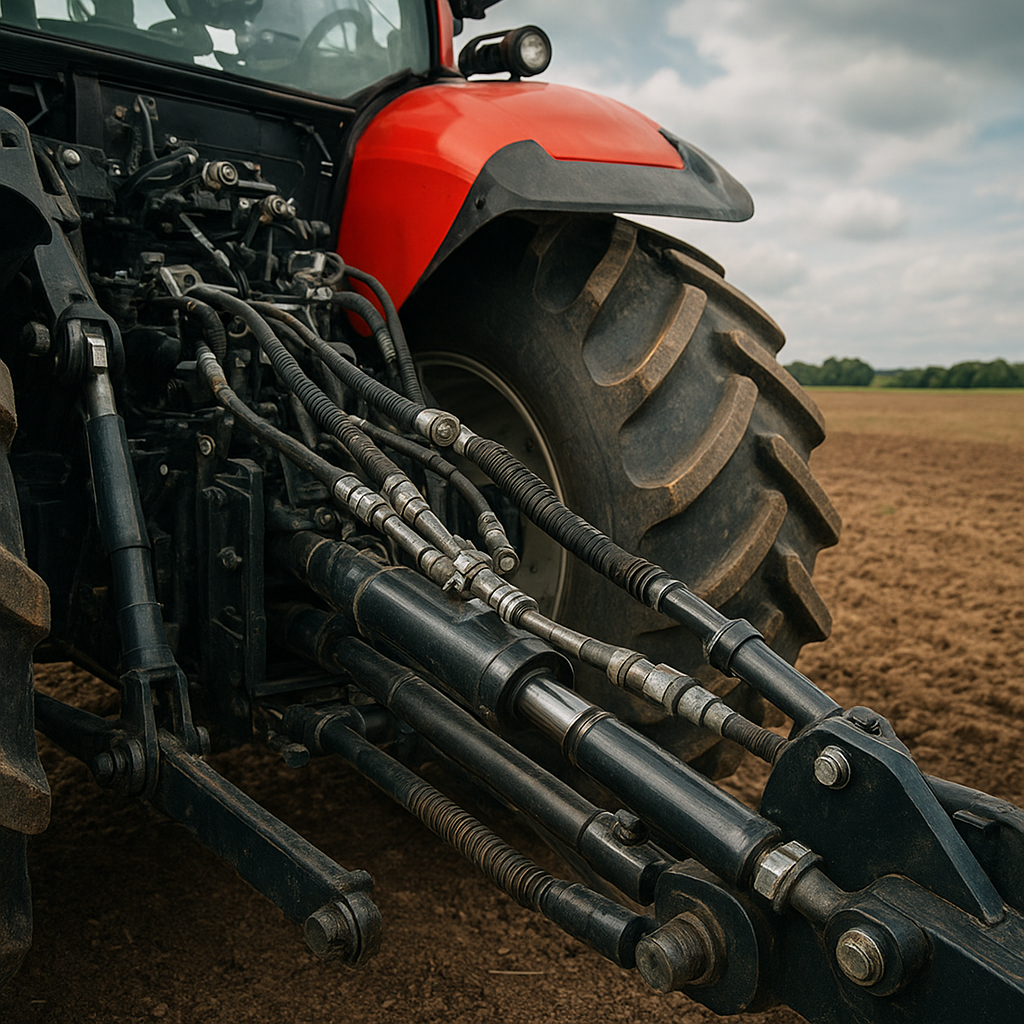
Control valves direct pressurized fluid to different circuits. A sectional valve design allows multiple functions—such as lift, lower, extend, and retract—to be managed independently. Operators use levers or electronic joysticks to shift spool valves, opening pathways for fluid flow. In modern tractors, electro-hydraulic controls and load-sensing valves adjust flow rates automatically, matching engine output with demand and reducing fuel consumption.
Cylinders and Hydraulic Motors
Cylinders convert fluid pressure into linear motion. They pressurize one side of a piston to extend or retract, moving implements like rear three-point hitches, loaders, or backhoes. Hydraulic motors, on the other hand, produce rotary motion for attachments such as mower decks or augers. Both require precise sealing and high-quality materials to withstand the rigors of fieldwork.
Filters, Reservoirs, and Plumbing
A clean reservoir filled with the correct grade of hydraulic fluid is vital. Filters remove contaminants, preventing premature wear of pumps and valves. Proper plumbing—with reinforced hoses, JIC fittings, and secure clamps—ensures leak-free operation. Even minor leaks can cause significant pressure drops and reduce overall system efficiency.
Applications of Hydraulic Power in Tractors
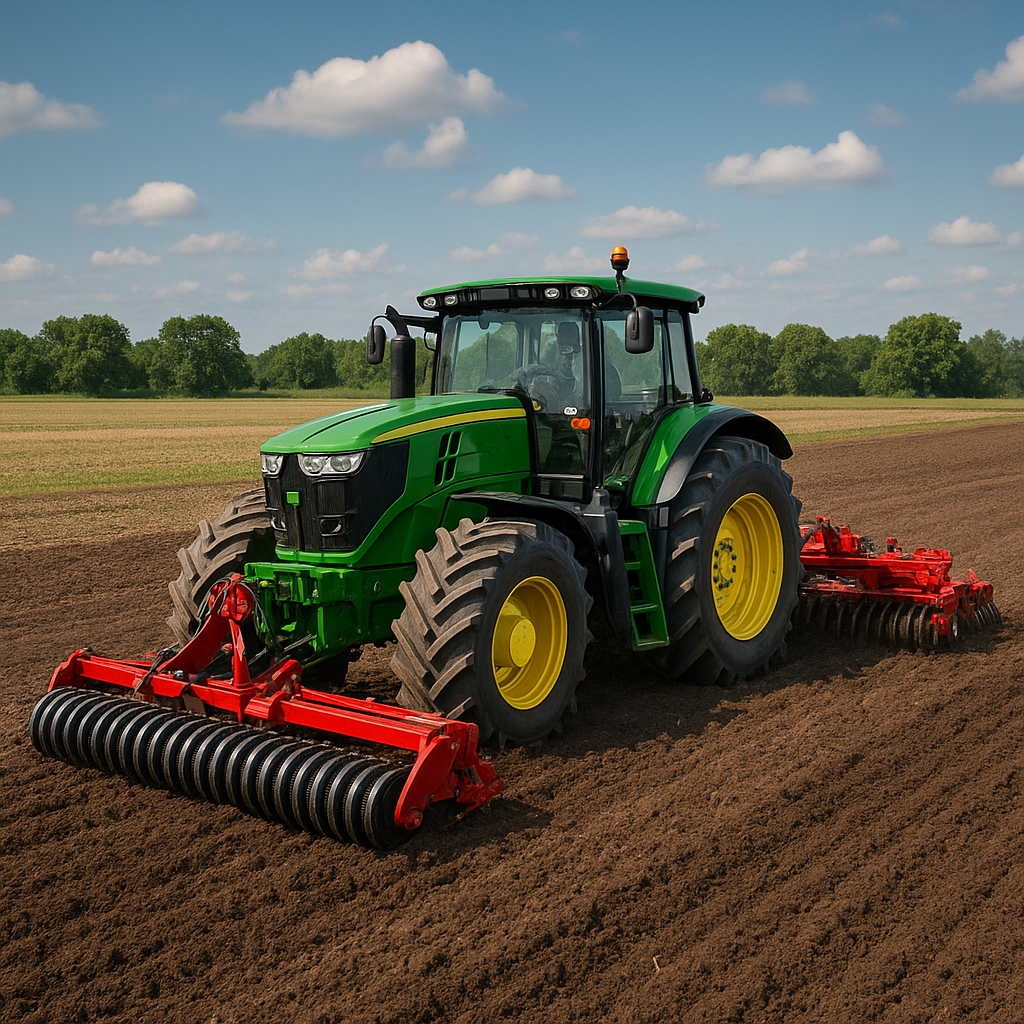
Hydraulics enable a tractor to perform a multitude of tasks that would be laborious or impossible using purely mechanical systems. A prime example is implement lifting via the three-point hitch. By adjusting hydraulic draft and position control, the tractor automatically senses load resistance, maintaining a consistent depth for plowing or seedbed preparation.
- Loader Operations: Front-end loaders rely on dual-acting cylinders for smooth raising and tilting of buckets, making material handling quick and effortless.
- Steering Assist: Power steering systems use hydraulic pressure to amplify driver input, ensuring precise wheel alignment even under heavy loads and rough terrain.
- Auxiliary Functions: Many implements—such as sprayers, harvesters, and balers—integrate hydraulic motors for driven components, eliminating the need for separate engines or mechanical linkages.
In specialty applications, closed-center load-sensing hydraulics adapt performance to the exact pressure and flow requirements of the implement. This not only conserves energy but also delivers crisp response, enhancing operator comfort and productivity during long hours in the field.
Maintenance and Troubleshooting Best Practices
Regular maintenance is crucial to maximize the longevity and reliability of tractor hydraulic systems. Key routines include:
- Monitoring fluid levels and replacing hydraulic oil according to manufacturer guidelines.
- Inspecting hoses and fittings for wear, cracks, or leaks.
- Changing filters at recommended intervals to prevent contamination-related damage.
- Checking relief valve settings and calibrating if necessary.
- Verifying pump output pressure and flow rates.
When troubleshooting, start by identifying symptoms—such as slow implement response, unusual noises, or overheating. Low fluid levels may cause cavitation and pump damage, while air intrusion can lead to spongy controls. Leaks often manifest as visible drips or reduced system pressure. Using a portable pressure gauge helps pinpoint blockages or malfunctioning valves, enabling targeted repairs without extensive downtime.
Emerging Trends and Innovations
As the agricultural sector embraces automation and precision farming, hydraulic systems continue to evolve. Integration with electronic controls and GPS-based guidance systems enables variable-rate hitch adjustments and real-time implement feedback. Smart sensors monitor fluid temperature, pressure, and contamination levels, alerting operators to potential issues before failures occur. Additionally, advances in bio-based hydraulic fluids offer improved environmental compatibility without sacrificing performance.
High-pressure hydraulics, exceeding 4,000 psi, are being developed to reduce component size and weight while delivering greater force. Combined with compact axial-piston pumps and proportional valves, these systems promise next-generation tractors that are more efficient, agile, and capable of handling sophisticated attachments with unparalleled precision.