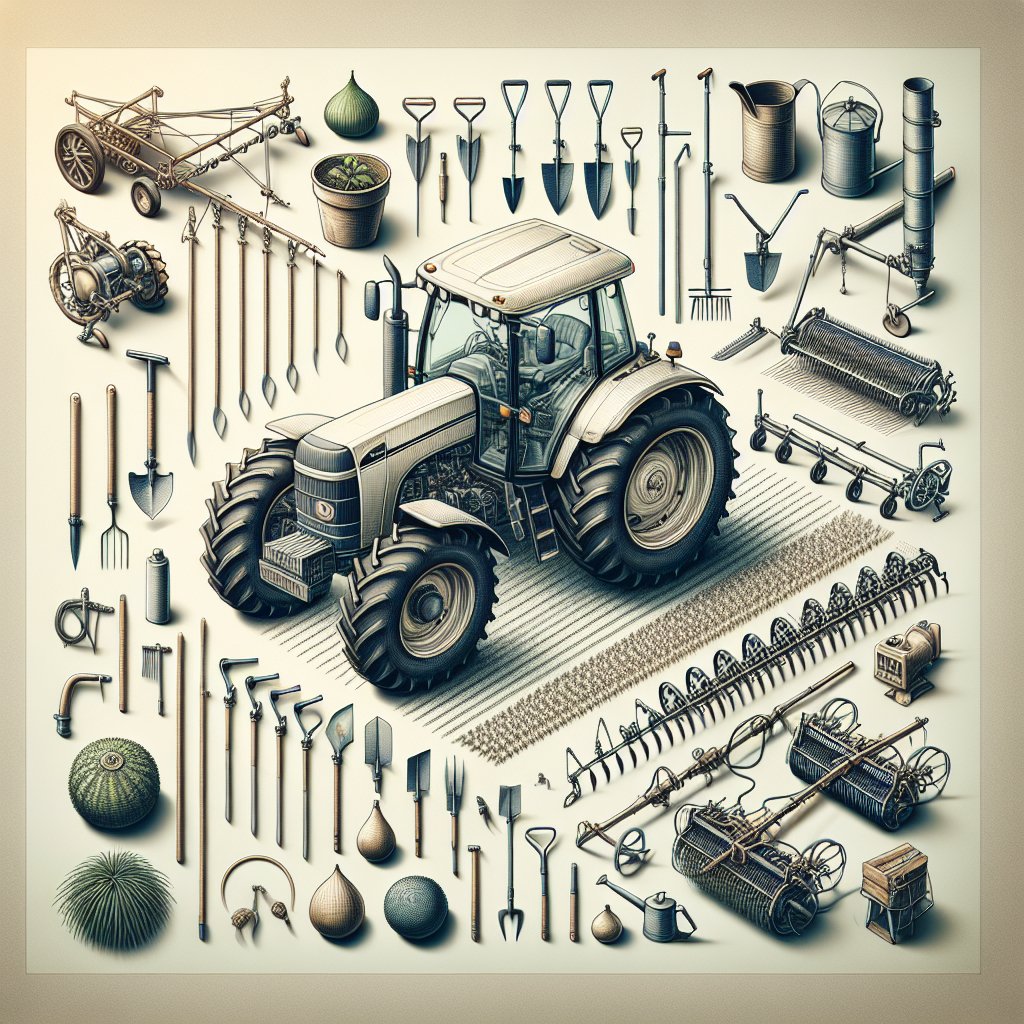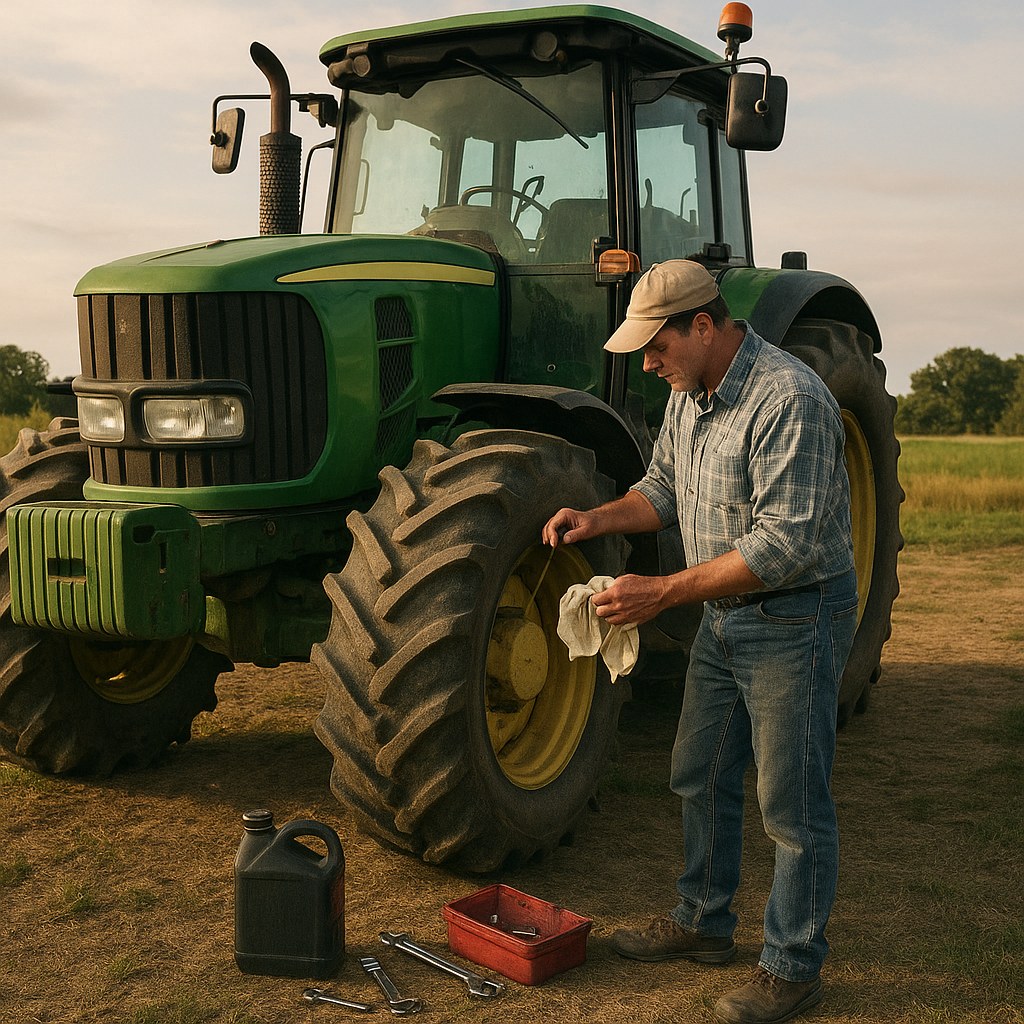
Tractors represent the backbone of modern agriculture, combining power, versatility, and resilience to support a variety of field operations. To ensure maximum uptime and a long service life, farmers and equipment managers must adopt a proactive approach to tractor care. This comprehensive guide explores practical strategies to increase the lifespan of your tractor, covering essential topics such as routine maintenance, effective lubrication, engine protection, operator practices, and seasonal storage.
Maintenance Fundamentals
Establishing a consistent maintenance schedule is the first step toward prolonging the longevity of any tractor. A routine check-up can help you identify minor issues before they escalate into costly repairs or downtime. By dedicating time each week to detailed inspections and servicing, you reinforce a culture of preventive care that will keep your machinery running smoothly for years.
Daily Inspections
Simple, daily inspections can save hours of troubleshooting later. Before starting work, walk around the tractor and examine the following:
- Tire pressure and tread wear
- Hydraulic hoses for cracks or leaks
- Visual damage to the body, fenders, and drawbar
- Fluid levels (engine oil, coolant, hydraulic fluid)
- Any loose or missing bolts, nuts, or pins
Early detection of a small hydraulic leak or a loose bolt can prevent component failure and contribute to overall operational safety.
Scheduled Servicing
Beyond daily checks, adhere strictly to the manufacturer’s recommended service intervals. This often includes:
- Engine oil and filter change every 100–200 hours
- Hydraulic filter replacement every 500 hours
- Transmission fluid inspection every 400 hours
- Gearbox oil changes at specified mileage
By following these guidelines, you maintain optimal performance levels. Proper servicing reduces friction, ensures accurate component tolerances, and helps you avoid catastrophic breakdowns in peak seasons.
Effective Lubrication and Fluid Management
Well-lubricated moving parts minimize wear and tear, reducing heat generation and prolonging component life. Proper fluid management also prevents corrosion and internal damage.
Engine Oil and Filters
The engine is the heart of your tractor. Quality engine oil forms a protective film that reduces metal-to-metal contact, while efficient oil filters remove contaminants. Follow these steps:
- Choose the right oil grade recommended by the manufacturer
- Replace the oil filter with every oil change
- Monitor oil color and viscosity for early signs of contamination
Neglecting this routine can lead to clogged passages, reduced pressure, and eventual engine failure.
Hydraulic and Transmission Fluids
Hydraulic systems control implements and attachments, so clean fluid is vital. Similarly, automatic transmission fluid ensures smooth gear shifts. To maintain fluid health:
- Check levels weekly and top up with the correct fluid
- Inspect for water contamination using sight glasses or test kits
- Change filters per the service manual, even if levels look nominal
Consistent lubrication and timely fluid changes guard against pump wear, seal failure, and overheating.
Engine Protection Strategies
Safeguarding the engine and its support systems extends operational life and maintains optimal power output. Components such as air intake, cooling systems, belts, and hoses require special attention.
Air Intake and Filtration
Contaminated air is a leading cause of engine wear. Replace or clean air filters regularly, especially in dusty environments:
- Inspect the pre-cleaner and main air filter weekly
- Use filters with an efficiency rating suitable for your operating conditions
- Clean or replace filter elements before the service indicator shows red
Proper air filtration prevents abrasive particles from damaging pistons, rings, and cylinders.
Cooling System Maintenance
Overheating compromises engine integrity and can cause warping or cracking. To preserve the cooling system:
- Flush the radiator and coolant passages annually
- Use recommended coolant mixtures to prevent corrosion and cavitation
- Inspect belts for wear and tension; replace them before cracks appear
Maintaining the cooling circuit ensures consistent operating temperatures and reliable performance.
Belt and Hose Inspections
Numerous auxiliary systems rely on belts and hoses. Schedule these checks:
- Check belts for fraying, glazing, and proper tension
- Examine hoses for brittleness, bulges, and leaks
- Replace any component showing significant wear or age-related deterioration
Well-maintained belts and hoses prevent unexpected downtime caused by slippage or bursts.
Operator Practices and Operator Training
Skilled operators contribute significantly to tractor longevity. Proper handling reduces unnecessary strain on mechanical parts.
Smooth Operation Techniques
Avoid “jackrabbit” starts and abrupt stops. Gradual acceleration and deceleration soften the load on the drivetrain. Key recommendations include:
- Use the clutch gently and avoid riding it
- Shift gears at the optimal RPM range to prevent lugging the engine
- Engage implements at low ground speed to reduce hydraulic stress
Implement Matching and Setup
Matching the correct implement size and settings to field conditions reduces power wastage. Ensure:
- Proper hitch adjustment to distribute weight evenly
- Correct tire pressure for traction and flotation
- Efficient PTO speed settings for each attachment
Attention to these details protects transmission components and improves fuel economy by maintaining fuel quality and efficient consumption.
Proper Storage and Seasonal Care
When tractors sit idle for extended periods, natural deterioration sets in. Proper off-season preparation and storage prolong service life until the next busy season arrives.
Cleaning and Corrosion Prevention
Thoroughly clean the tractor to remove mud, crop residue, and corrosive chemicals. After cleaning:
- Apply protective sprays on metal surfaces prone to rust
- Drain or treat fuel with stabilizers to avoid varnish buildup
- Disconnect batteries or use trickle chargers to maintain charge
Off-Season Inspections
Even during downtime, periodic checks are necessary:
- Inspect fluid levels and top up if required
- Rotate tires to prevent flat spots
- Run the engine monthly to circulate fluids and maintain seals
Conclusion of Best Practices
Implementing these strategies underpins a robust preventive care program that enhances uptime and maximizes return on investment. By prioritizing maintenance, precise lubrication, engine protection, skilled operation, and diligent storage measures, you can significantly extend the lifespan of your tractor and ensure reliable performance across countless seasons.