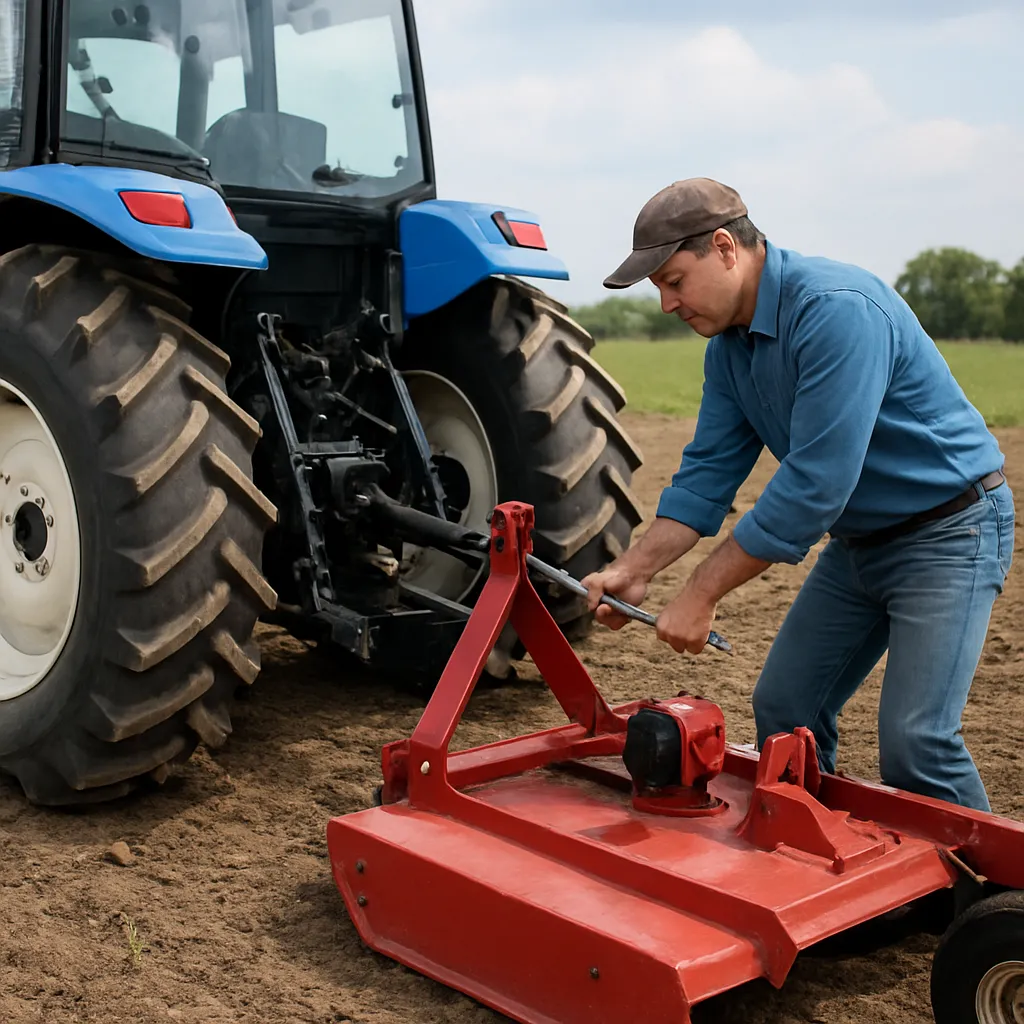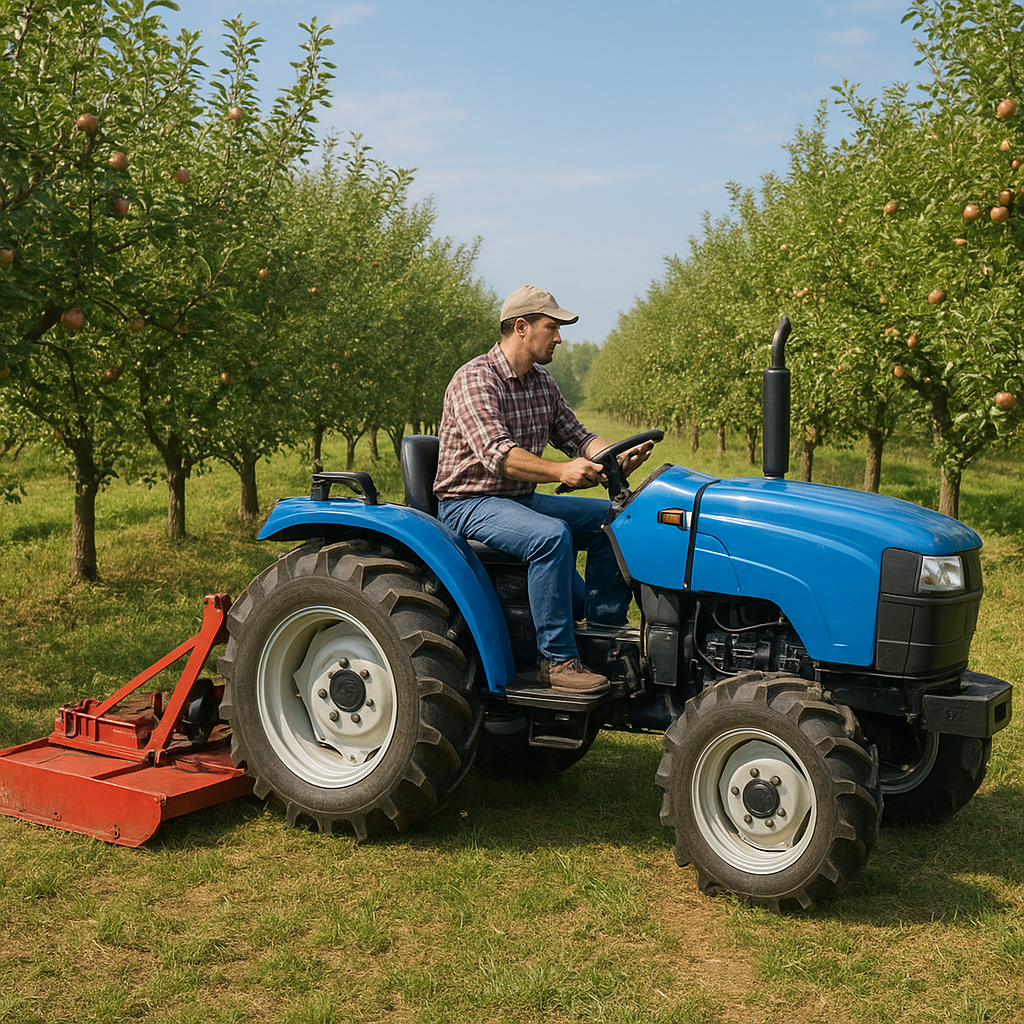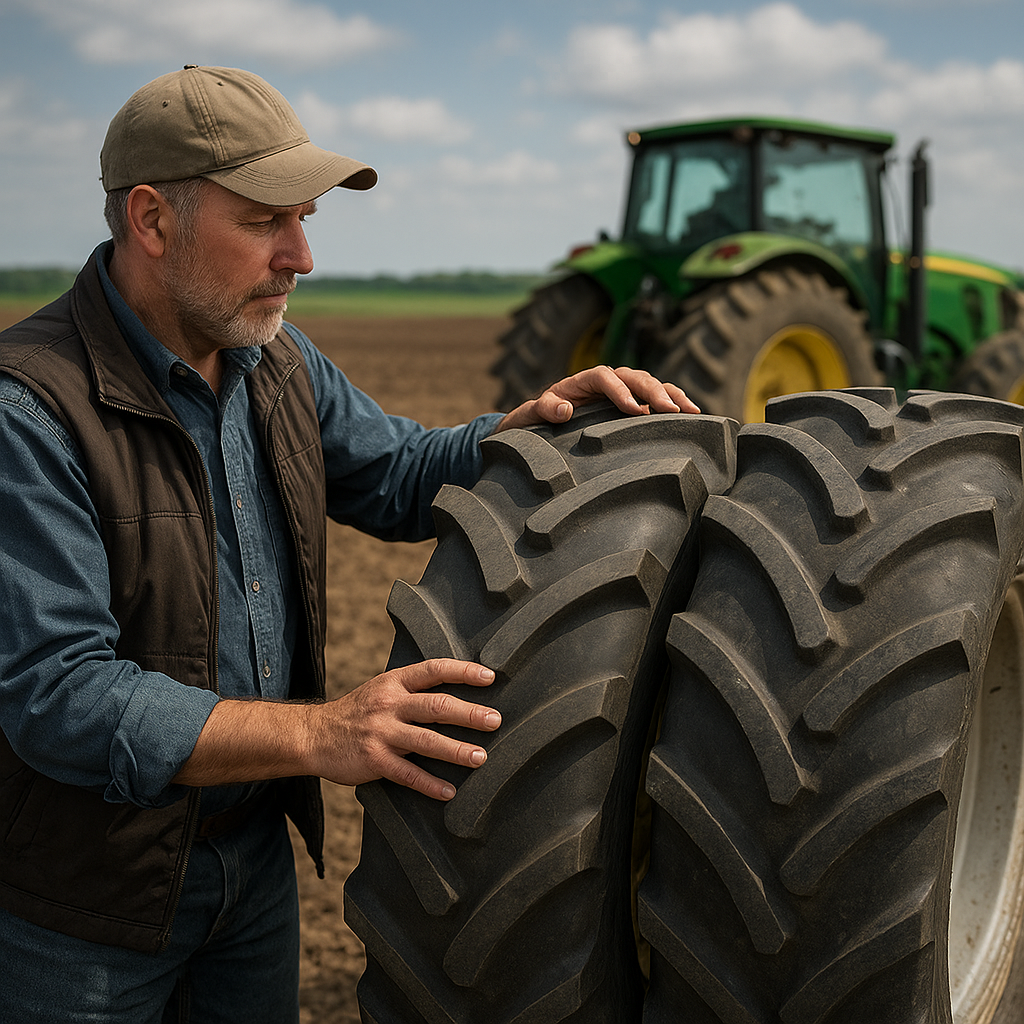
Selecting the ideal set of tires for your tractor can greatly influence its performance, efficiency, and overall lifespan. Whether you’re plowing a field, hauling heavy loads, or navigating wet terrain, the right choice ensures enhanced traction, increased durability, and reduced soil compaction. This guide explores essential aspects of tractor tire selection, covering different types, critical factors, and maintenance practices that will help you make an informed decision.
Understanding Tractor Tire Types
Not all tractor tires are created equal. Each design addresses specific needs in the field or on the road. Familiarity with the main categories helps you match tire characteristics to your tasks.
- Agricultural Tires: Also known as R-1 tires, these are built for general farming operations. Their deep, angled lugs provide superior traction in soft soil and muddy conditions. Ideal for plowing, planting, and tillage.
- Industrial Tires: Labeled as R-4, these tires feature a less aggressive tread than agricultural tires. They deliver a balance between field strength and prolonged wear on hard surfaces such as pavement or yard areas.
- Turf Tires: Known as R-3, turf tires have shallow lugs or smooth tread patterns. They minimize ground disturbance and are perfect for mowing operations or navigating sensitive grass areas without damaging the surface.
- Flotation Tires: Designed with large footprints, these tires reduce pressure on the soil, improving flotation to prevent sinking in soft or wet fields. They’re particularly useful in rice or sugarcane cultivation.
- Bias-Ply vs. Radial: Bias-ply tires are built with layers of rubber-coated cords arranged at alternating angles. They offer lower cost and increased sidewall strength but generate more heat at high speeds. Radial tires, on the other hand, use perpendicular cord layers, offering better fuel efficiency, a smoother ride, and longer tread life.
Key Factors in Tire Selection
Choosing the proper tractor tire goes beyond picking a tread pattern. You must consider variables that directly affect your tractor’s performance and maintenance costs.
- Load Capacity: Each tire has a rated load index indicating how much weight it can safely carry at a given inflation pressure. Exceeding this limit increases risk of tire failure and uneven wear.
- Inflation Pressure: Correct tire pressure ensures optimal contact with the ground and uniform wear. Underinflated tires lead to overheating, while overinflation reduces the contact patch and diminishes traction.
- Tread Depth and Pattern: Deeper lugs improve traction in soft soil but might clog with mud. Open tread patterns self-clean as the tire rotates, maintaining consistent grip. For hard surfaces, choose shallower, more closed patterns for reduced vibration.
- Terrain and Soil Type: Sandy, clay, loamy, or rocky terrains demand different tire properties. Sandy soils benefit from flotation tires, whereas clay soils may demand aggressive lug angles to prevent slippage.
- Speed Rating: If your operations require traveling between fields on roads, pay attention to the speed rating. Higher ratings allow faster transit without overheating or structural damage.
- Traction vs. Conservation: While maximum traction is essential for heavy tillage, conservation farming may require tires that limit soil disturbance and compaction. Balancing these needs optimizes both immediate performance and long-term soil health.
Maintenance and Longevity
Regular upkeep extends the life of your tractor tires, reducing downtime and replacement costs. Implementing a few best practices ensures safety and consistent performance.
- Inspect tire sidewalls and treads for cuts, cracks, or embedded debris. Even small punctures can lead to rapid air loss when under load.
- Monitor inflation pressure frequently, especially when switching between heavy-field work and road transport.
- Rotate tires periodically to promote even wear across all positions. This is particularly important for large tractors with front and rear tires of different sizes.
- Clean tires after working in fields with high levels of chemical fertilizers or pesticides. Residue can degrade rubber compounds over time.
- Store unused tractors with tires off the ground or supported on blocks to prevent flat spots. Keep them in a shaded, dry area to avoid UV damage.
Expert Tips for Optimal Performance
Seasoned farmers and equipment specialists often apply advanced strategies to get the most out of their tires. Consider these professional suggestions:
- Dual Wheels: Adding a second set of tires on each side increases the tire surface area, further reducing soil compaction and improving stability on slopes.
- Ballasting: Proper tire ballasting—adding weights inside the rims—enhances traction and fuel efficiency. Both liquid and lead weights are common choices.
- Tire Chains: For extremely muddy or icy conditions, chains provide additional grip. Ensure they’re fitted by experienced technicians to avoid rim damage.
- When upgrading from bias-ply to radial tires, verify that rims and axles are compatible. Radials often require different wheel specifications.
- Keep a log of tire performance under various conditions. Tracking inflation adjustments, load changes, and wear patterns helps identify the best configurations for your operations.