Navigating the world of compact earthmoving equipment often brings up the debate between the tractor and the skid steer. Both machines excel in specific roles and excel on different terrains. This article dives deep into their performance, versatility, attachments, and overall cost to help you determine which option best suits your project.
Understanding the Basics of Tractor and Skid Steer
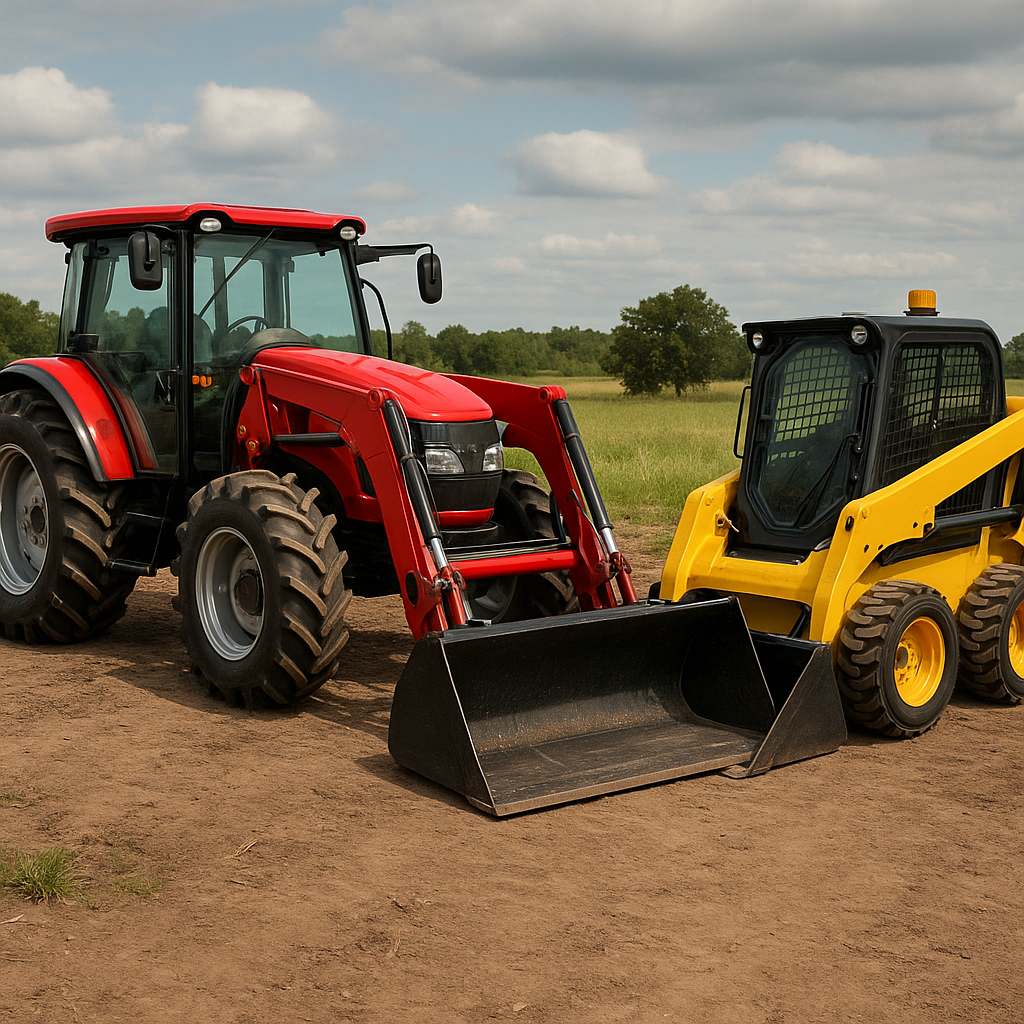
At their core, tractors and skid steers are designed for heavy-duty tasks, but they approach those tasks in distinct ways. A tractor typically features larger rear wheels, a long wheelbase, and a dedicated power take-off (PTO) system. Tractors excel in agricultural operations such as plowing, tilling, and hauling. In contrast, skid steers operate using a zero-turn radius design. By independently driving each wheel or track, they can pivot in place, offering exceptional maneuverability in tight or confined spaces.
Key Components and Design
- Engine and Horsepower: Tractors often come with higher horsepower, ranging from 30 HP in compact models up to 500 HP in large farm machines. Skid steers typically range from 50 to 120 HP, balancing power with a compact footprint.
- PTO System: Tractors feature a PTO output shaft that drives implements like mowers, balers, and spreaders. Skid steers lack a traditional PTO but rely on hydraulic flow to power attachments.
- Operator Visibility: Skid steers provide near-360-degree visibility, crucial for landscaping, construction, and material handling. Tractors offer good forward and rearward views, especially models with cabs, but limited side visibility in some cases.
Power and Performance Comparison
When comparing raw power and capability, it’s essential to look beyond peak horsepower numbers. Torque curves, hydraulic flow rates, and weight distribution all contribute to a machine’s real-world performance.
Tractor Strengths
- Consistent Pulling Force: Tractors deliver steady pulling power ideal for plows, seeders, and heavy trailers.
- Hydraulics: Many tractors boast dual hydraulic systems—one for loader arms and another for rear implements—ensuring adequate flow and pressure for diverse tasks.
- Stability on Slopes: With a longer wheelbase and wider stance, tractors maintain traction on uneven or hilly terrain.
Skid Steer Strengths
- Rapid Direction Change: The zero-turn capability allows operators to weave through obstacles, making skid steers perfect for demolition, site cleanup, or urban projects.
- Quick Cycle Times: Loader arms on skid steers can cycle faster, boosting efficiency in repetitive tasks like digging or loading trucks.
- Compact Footprint: Many jobsites demand minimal ground pressure; skid steers exert less soil compaction due to their lighter weight and high flotation tires or tracks.
Versatility and Attachments
The real magic of both tractors and skid steers lies in their attachment ecosystems. Whether you need to lift bales, excavate trenches, or clear snow, you’ll find a tool tailored to the task.
Tractor Implements
- Front-end loaders
- Rotary mowers and flail mowers
- Backhoes and trenchers
- Box blades and landscape rakes
- Seeders and fertilizer spreaders
Skid Steer Attachments
- Bucket, pallet forks, and grapple buckets
- Augers and stump grinders
- Hydraulic breakers (jackhammers)
- Brush cutting heads and snow blowers
- Trenchers and soil conditioners
Attachment changeover systems have evolved to become tool-free on many newer skid steer models, while tractors often rely on manual pin connections and PTO clutch engagement. Consider how frequently you’ll switch implements when choosing your machine.
Cost, Maintenance, and Efficiency
Budget considerations play a huge role in equipment selection. Purchase price, fuel consumption, maintenance intervals, and resale value all affect your total cost of ownership.
Initial Investment
- Compact tractor (25–50 HP): $12,000–$25,000
- Mid-size tractor (60–100 HP): $30,000–$60,000
- Skid steer (50–70 HP): $25,000–$40,000
- Skid steer (80–120 HP): $40,000–$70,000
Fuel and Operational Costs
Tractors generally run at lower RPMs for prolonged tasks, which can improve fuel economy when using high-torque, low-speed applications. Skid steers may sip more fuel per hour when operating at high engine speeds for rapid loader cycles or hydraulic-intensive attachments.
Maintenance Requirements
- Engine oil and filter changes
- Hydraulic fluid and filter service
- Air filter replacement
- Tire or track inspections
- PTO clutch adjustment (tractors)
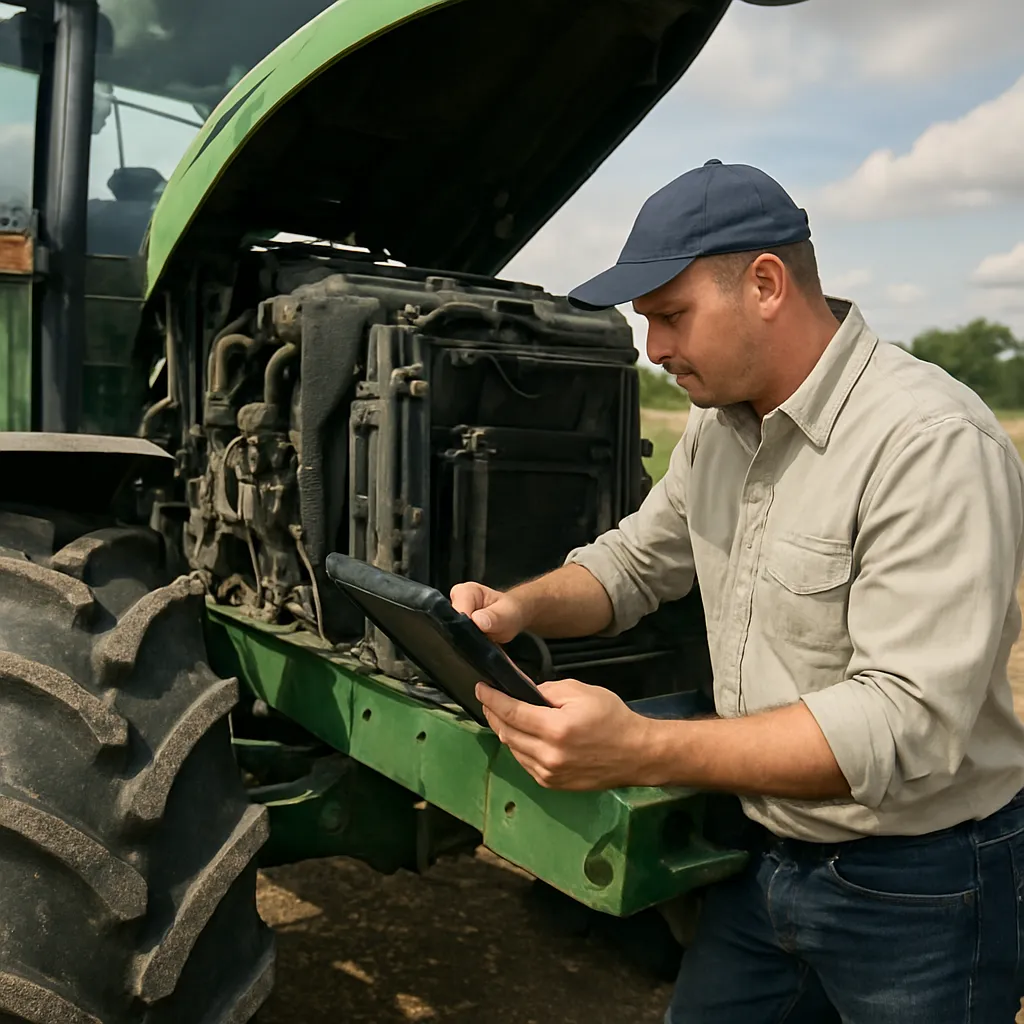
Regular maintenance preserves efficiency and extends machine life. Access to service points, filter locations, and daily inspection panels can vary widely between brands and models.
Choosing the Right Machine for Your Needs
Ultimately, your decision hinges on the scope of work, terrain, and desired efficiency. Ask yourself:
- Will I be working on open fields, confined urban lots, or mixed environments?
- Do I need high PTO power or primarily hydraulic-driven tools?
- How important is rapid attachment swapping and tight-space access?
- What’s my budget for purchase, fuel, and maintenance?
If large-scale farming, hauling heavy loads, or using high-drawbar implements is your priority, a tractor with ample horsepower and PTO capacity is likely your best choice. For frequent material handling, demolition, or landscaping in tight quarters, the outstanding maneuverability and quick cycles of a skid steer can deliver unmatched productivity.
Final Considerations Before Purchase
- Test-drive multiple brands to compare seat comfort, visibility, and control layout.
- Inspect hydraulic flow rates and auxiliary circuits if using specialty attachments.
- Review dealer service options, warranty coverage, and parts availability.
- Consider rental opportunities to trial each machine on your actual jobsite.
By weighing these factors—power, terrain capability, attachments, and overall costs—you’ll be well-equipped to choose the right machine for your agriculture, construction, or landscaping projects.