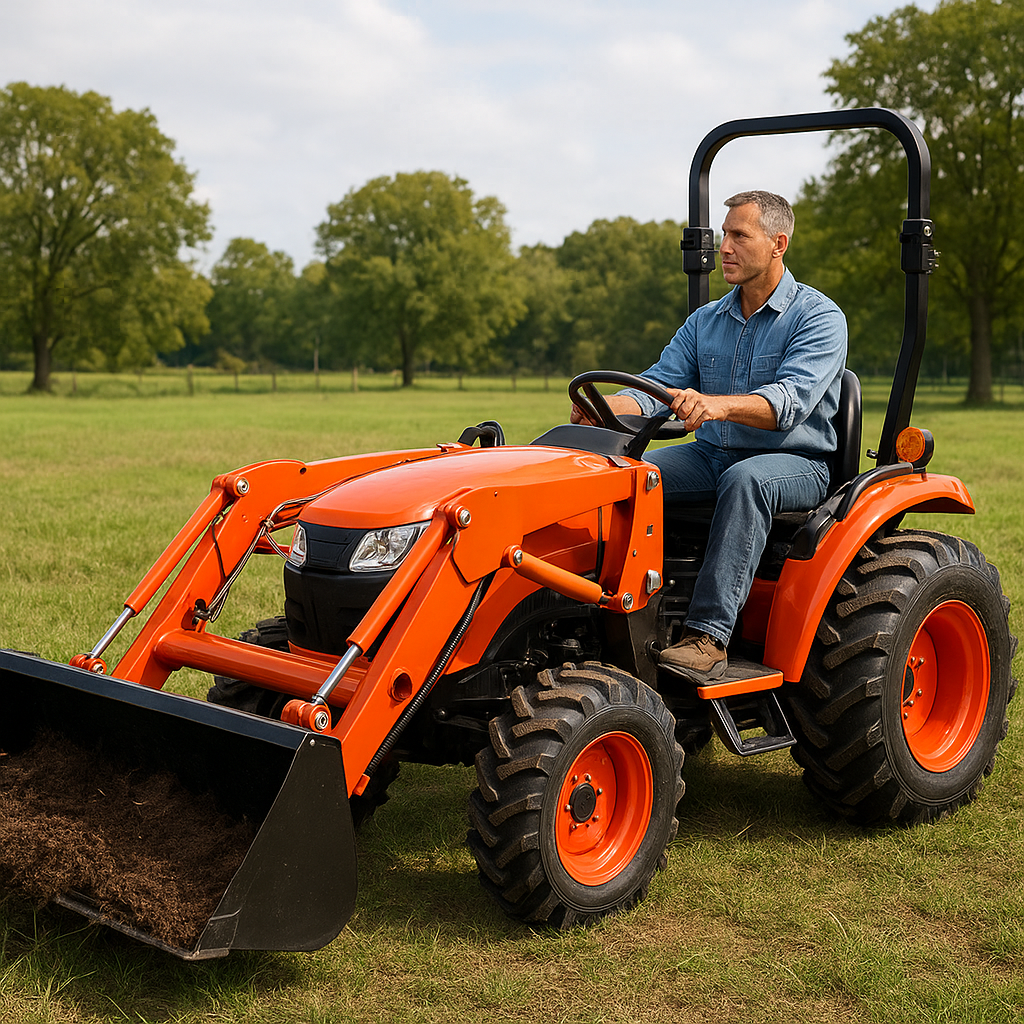
Operating a front-end loader requires a deep understanding of both the machine and the environment in which it works. This guide will walk you through essential practices for safe and efficient use. By following these recommendations, operators can prevent accidents, protect equipment, and increase productivity.
Understanding Your Front-End Loader
Before you climb into the cab, it’s crucial to become familiar with the loader’s key components. The bucket, hydraulic arms, and chassis must all function smoothly to ensure safety and performance. Modern loaders come with advanced features such as electronic controls and enhanced visibility systems, but the basics remain the same across models.
Key Components
- Bucket: The primary attachment used for digging, lifting, and dumping material.
- Hydraulic Arms: Responsible for lifting and tilting the bucket. Proper maintenance ensures consistent pressure.
- Chassis: Supports the entire weight of the machine and the load. A stable chassis reduces the risk of tipping.
- Engine: Provides power to both the drive train and hydraulic system. Regular checks on oil and filters help maintain efficiency.
- Controls: Joysticks, pedals, and switches that the operator uses to maneuver the loader.
Basic Operational Principles
Loaders use a combination of mechanical leverage and hydraulic pressure to move heavy materials. When the joystick is pushed forward, hydraulic fluid moves into cylinders, lifting the arms. Pulling back on the joystick lowers them. Understanding this interplay between mechanical and hydraulic systems is vital for smooth operation.
Pre-Operation Safety Checks
Performing thorough inspections before starting your loader can eliminate many hazards. Regular checks identify wear, leaks, or damage that could lead to equipment failure or injury.
Daily Inspection Checklist
- Fluid Levels: Check engine oil, hydraulic fluid, coolant, and fuel before each shift.
- Visual Inspection: Examine hoses, fittings, and cylinders for signs of leakage or wear.
- Tire or Track Condition: Ensure proper inflation and check for cuts, punctures, or uneven wear.
- Brakes and Steering: Test for responsiveness and unusual noises during a brief test drive.
- Lights and Alarms: Verify that all indicators, horns, and backup alarms work correctly.
Cab Pre-Start Routine
Once inside, adjust the seat and mirrors for optimum visibility. Fasten the seat belt and ensure all gauges are functioning. Familiarize yourself with emergency shutoff switches and review the loader’s load chart to understand load capacity limits.
Safe Operating Techniques
Mastering proper operating techniques is a cornerstone of preventing accidents. Loaders can be top-heavy, and improper handling may cause tipping or load spills.
Handling and Lifting Loads
- Approach the pile with the bucket low and tilt it slightly forward to prevent material spillage.
- Lift the arms smoothly and avoid sudden movements that can shift the center of gravity.
- Keep loads as low to the ground as possible during transport to maintain stability.
- Always travel at a safe speed, especially when the bucket is raised, to reduce rollover risk.
Navigating Slopes and Uneven Terrain
Driving on inclines demands extra caution. Ascend and descend straight up or down slopes rather than at an angle to improve traction and reduce tipping hazards. If the terrain is especially rough or loose, consider using a smaller load to maintain control.
Working Near People and Obstacles
Maintain constant awareness of the surroundings. Use spotters when visibility is restricted. Activate all warning devices and keep bystanders at a safe distance. When reversing, rely on alarms and mirrors to ensure the path is clear.
Maintenance and Long-Term Safety Practices
Consistent maintenance not only prolongs the lifespan of your loader but also reinforces protection for all personnel. Develop a regular maintenance schedule to catch potential issues early.
- Greasing Points: Lubricate all pivot points at recommended intervals to reduce wear and prevent hydraulic strain.
- Filter Replacements: Change air, fuel, and hydraulic filters according to the manufacturer’s guidelines.
- Structural Inspections: Look for cracks or weld failures in the loader arms and chassis.
- Battery Maintenance: Keep terminals clean and ensure the battery is securely mounted.
- Software Updates: For newer models, update onboard electronics to improve performance and safety features.
Additional Safety Measures
Going beyond basic procedures can further reduce risk. Consider these supplementary practices to create a safer work environment:
- Implement an operator training program that covers advanced techniques and emergency procedures.
- Use personal protective equipment such as hard hats, safety boots, and high-visibility vests.
- Install rollover protective structures (ROPS) and falling object protective structures (FOPS) on older machines.
- Maintain an incident log to track any near-misses or equipment failures and address recurring issues.
- Encourage a safety-first culture where operators report hazards without fear of reprisal.