Transporting heavy agricultural machinery requires meticulous preparation and a thorough understanding of both the equipment and applicable safety measures. A misstep during loading, hauling, or unloading can result in costly damage, downtime, or even serious injury. The following guide outlines essential steps to ensure your tractor reaches its destination without incident.
Preparation and Planning
Assess Tractor Dimensions
Begin by measuring the height, width, and length of your tractor, including any attachments such as loaders, backhoes, or mowers. Note the wheelbase and gauge, since these dimensions affect the choice of transport vehicle or trailer. Overlooking a protruding implement can lead to clearance problems under bridges or through gates, resulting in delays or potential hazards.
Inspect Equipment
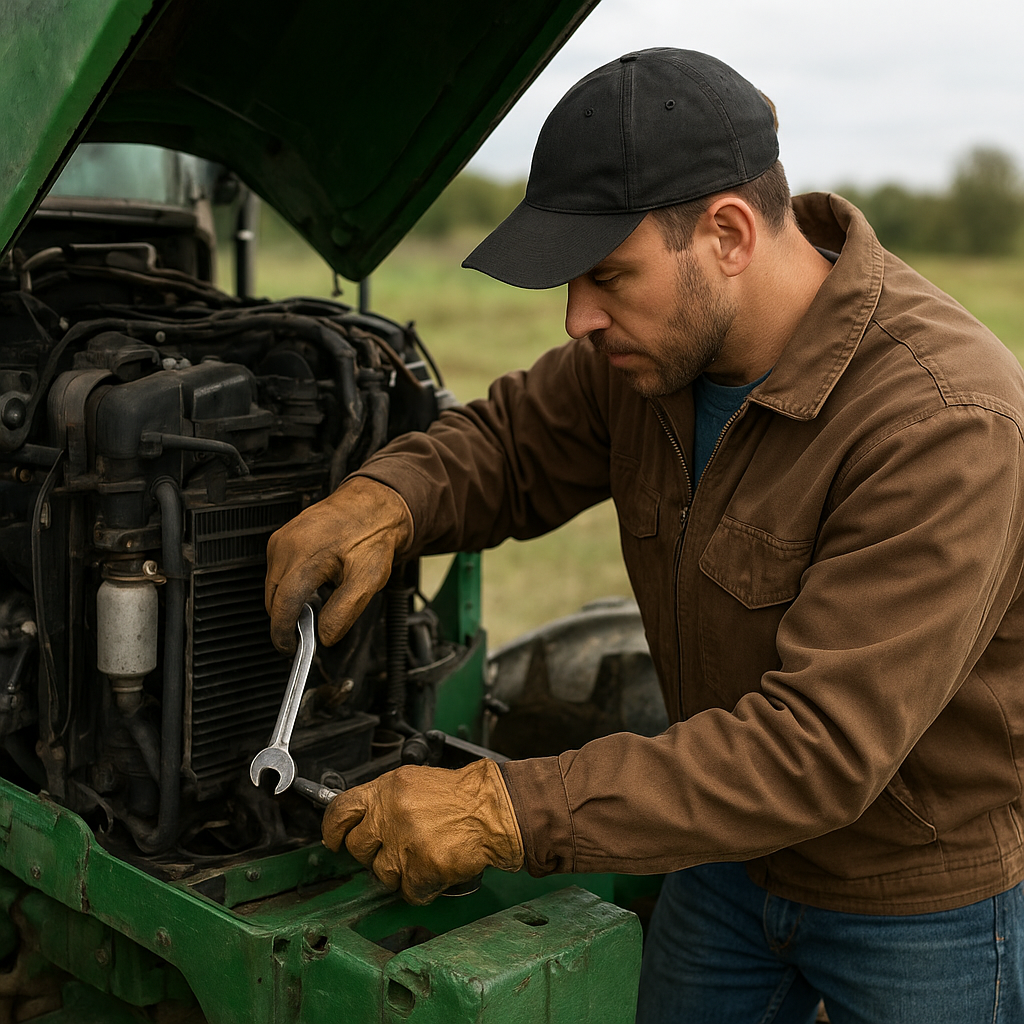
Thoroughly inspect the tractor’s mechanical systems prior to loading. Check fluid levels, tire pressure, braking function, and lights. Ensure that all moving parts are properly greased and that any detachable components—such as buckets or forks—are securely fastened or removed. This step minimizes the risk of breakdowns or lost parts during transit.
Check Regulations
Different jurisdictions enforce specific rules regarding the transport of oversized vehicles. Verify weight limits, permit requirements, route restrictions, and signage obligations. For example, an escort vehicle may be mandatory for loads exceeding certain dimensions. Ignoring these regulations could result in fines or immobilization of the load.
Loading and Securing Your Tractor
Selecting the Right Trailer
The choice of trailer is critical. Lowboy or flatbed trailers are common options, each with advantages and limitations:
- Lowboy trailers sit closer to the ground, offering easier loading of tall equipment but may have lower weight capacities.
- Flatbeds provide versatility for various attachments but require steeper ramps, increasing the risk of tipping.
Confirm that the trailer’s load rating exceeds the total weight of your tractor plus any implements to maintain a high margin of safety.
Proper Ramp Positioning
Deploy the ramps at an angle that aligns with the tractor’s center of gravity. Steep or uneven ramp placement can cause the machine to slip or tip. If possible, use a ramp system with a non-slip surface or add wooden planks for extra traction. Always position chocks or wooden blocks behind the tractor’s rear tires to prevent rollback during ascent.
Using Straps and Chains
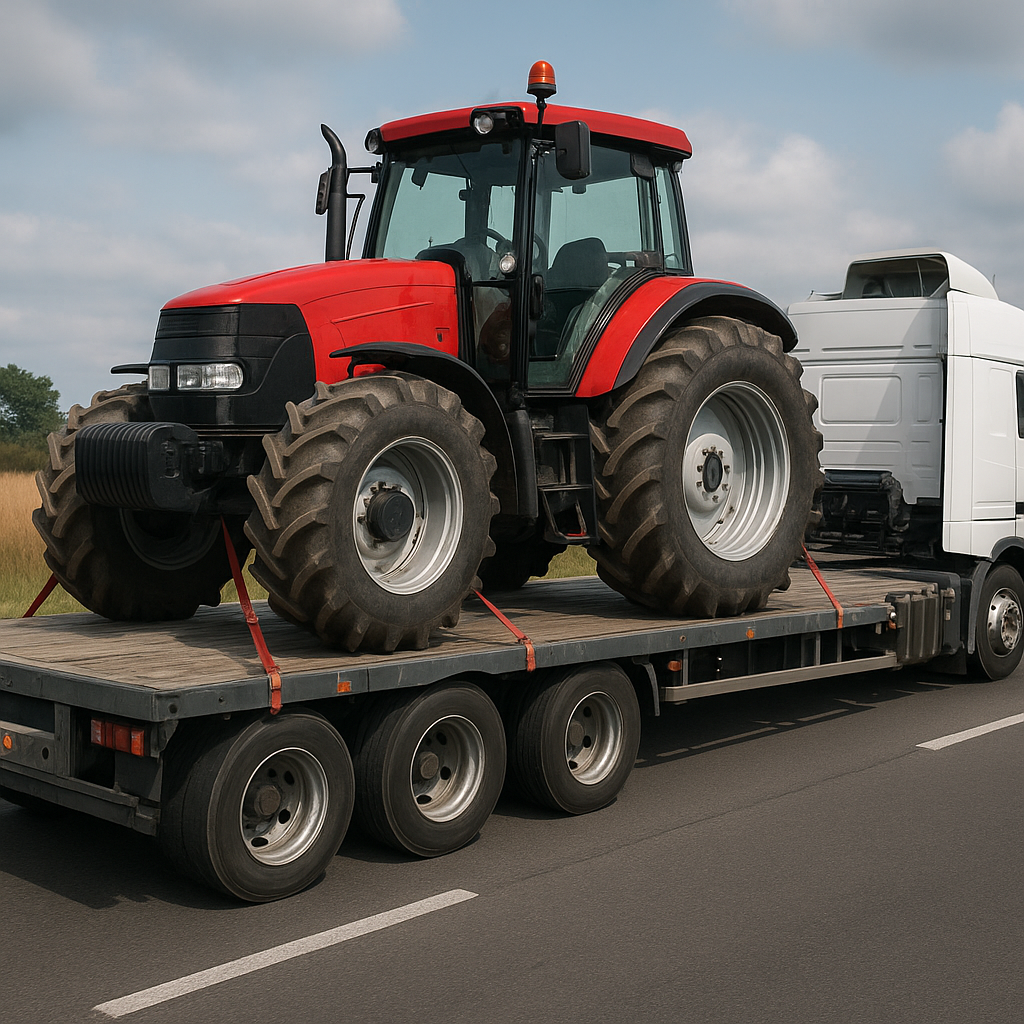
Once the tractor is fully on the trailer, engage the parking brake and turn off the engine. Secure the front and rear of the tractor with heavy-duty straps or chains rated for agricultural loads. When tightening, apply tension gradually and in a diagonal pattern to maintain even stability. Avoid overtightening, which can damage axles or chassis components. Incorporate edge protectors to prevent strap abrasion against sharp metal corners.
- Attach chains to factory-designed anchor points or reinforced structural members.
- Use at least four tie-downs—two on the front and two on the rear—to prevent forward/backward or lateral movement.
- Re-check tension after driving a short distance, since straps may settle or stretch.
Transport and Unloading Techniques
Safe Driving Practices
Transporting a heavy tractor alters the handling characteristics of the towing vehicle. Drive at moderate speeds, especially around curves and over uneven terrain. Increase following distance to account for longer stopping distances. Be mindful of wind gusts and passing high-profile vehicles, which can shift the trailer’s balance. A cautious and steady approach reduces the risk of jack-knifing or load shifting.
Maintaining Balance and Weight Distribution
Proper weight distribution between the trailer axles and the towing vehicle is vital. Aim for approximately 60% of the tractor’s weight over the trailer’s axles and 40% on the hitch. Consult the trailer manufacturer’s guidelines and use a portable scale if precision is required. Misplaced weight can lead to fishtailing or overloaded axles, jeopardizing control and road compliance.
Unloading with Care
Upon reaching your destination, find a level, firm surface for unloading. Perform a once-over of all straps and chains before loosening. Keep hands and feet clear of pinch points. Retract ramps only after the tractor’s engine is started and the operator has full control of steering and brakes. Descend slowly, applying the throttle judiciously to maintain forward momentum without spinning the wheels. Once on solid ground, stow the ramps and reassess the load area for any debris or obstacles.
Additional Tips for Long-Distance Hauls
Routine Maintenance Stops
On trips lasting several hours, plan periodic stops to examine tie-downs, trailers, and tractor components. Vibrations and road shocks can loosen fittings or cause damage over time. A quick adjustment at a rest stop takes moments but prevents hours of repair later on.
Emergency Preparedness
Carry a basic toolkit, spare straps, and warning triangles. In case of a strap failure or minor trailer malfunction, you can address the issue promptly without waiting for external assistance. Equip the towing vehicle with a fire extinguisher, high-visibility vest, and a charged mobile phone to handle emergencies safely.
Professional Assistance
If you’re uncertain about any step—especially when dealing with oversized loads—consider hiring a specialized hauling company. Their experienced drivers and certified trailers are designed for heavy machinery, ensuring compliance with local laws and minimizing liability.