Agricultural machinery has undergone a remarkable transformation over the past century, driven by evolving emissions regulations and technological breakthroughs. This article examines how shifting policies, market demands, and innovative engineering have reshaped the tractor industry. From early diesel-powered workhorses to cutting-edge electric prototypes, the journey reveals the complex relationship between environmental goals and farm productivity.
Historical Overview of Tractor Emissions
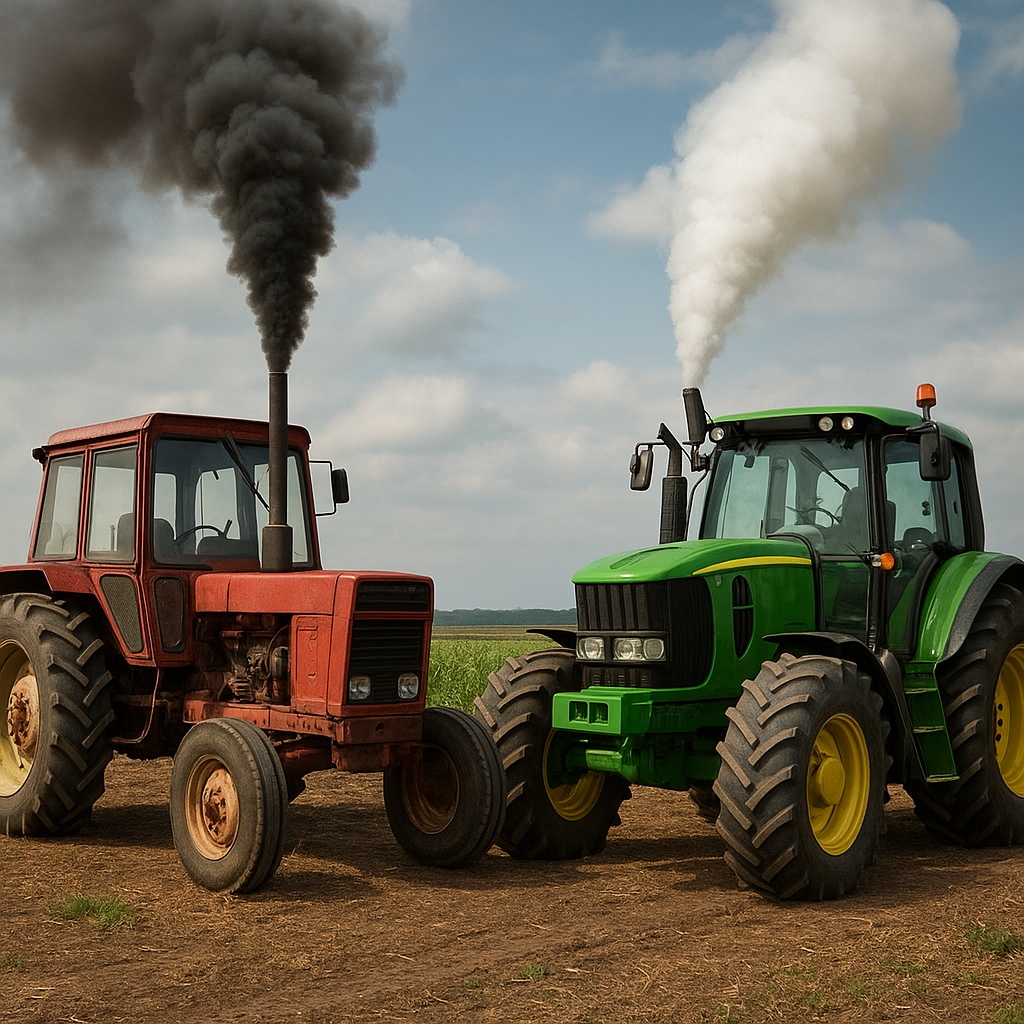
The mid-20th century saw the widespread adoption of diesel engines in tractors, prized for their reliability and high horsepower. However, these engines emitted significant levels of particulate matter (PM) and nitrogen oxides (NOx), contributing to air pollution and adverse health effects. Early regulatory efforts were minimal, focusing primarily on automotive applications. Tractors, due to their intermittent use and rural operation, initially escaped rigorous scrutiny.
Emergence of Emissions Concerns
By the 1970s and 1980s, growing scientific evidence linked diesel exhaust to respiratory issues and environmental harm. Governments began to impose limits on in-field machinery, acknowledging that agricultural operations could no longer remain exempt. Key milestones included:
- 1971: Introduction of the first voluntary guidelines for off-road engines in the United States.
- 1992: European Union adopts Stage I emissions standards for tractors and non-road vehicles.
- 1996: Implementation of tighter PM and NOx limits under EU Stage II, catalyzing research into cleaner combustion.
Technological Responses
Manufacturers responded by refining fuel injection systems, improving turbocharger efficiency, and experimenting with alternative fuel blends. While these developments reduced emissions, they also raised production costs and complexity. The incremental improvements highlighted a critical tension: balancing stringent environmental standards with the need for robust, cost-effective farm equipment.
Current Emissions Standards and Technologies
Contemporary regulations for off-road agricultural machinery, such as the U.S. EPA Tier 4 and the EU Stage V standards, represent the most ambitious efforts to date. These frameworks target a dramatic reduction in PM and NOx, often below 90% of previous levels. Compliance requires a suite of advanced emission control systems.
Key Emission Control Technologies
- Diesel Particulate Filters (DPFs): Trap and oxidize soot particles, requiring periodic regeneration at high exhaust temperatures.
- Selective Catalytic Reduction (SCR): Uses a urea-based reagent to convert NOx into harmless nitrogen and water vapor.
- Exhaust Gas Recirculation (EGR): Redirects a portion of exhaust gas back into the combustion chamber, lowering peak combustion temperatures and reducing NOx formation.
- Diesel Oxidation Catalysts (DOCs): Catalyze the oxidation of carbon monoxide and unburned hydrocarbons.
Integrating these components demands sophisticated engine management systems capable of real-time monitoring and adjustment. Manufacturers invest heavily in electronic control units (ECUs) and sensor networks to optimize performance and meet sustainable targets.
Challenges and Trade-offs
While modern solutions achieve impressive emission reductions, they introduce new complexities:
- Increased maintenance: Filters and catalysts require periodic service, adding operational downtime.
- Fuel quality sensitivity: Advanced systems demand ultra-low sulfur diesel (ULSD), which may not be available in remote regions.
- Cost implications: Higher manufacturing and servicing costs can strain small-scale farmers with limited budgets.
These challenges highlight the need for ongoing work on retrofit strategies and training programs to ensure reliable field deployment.
Innovations in Alternative Powertrains
Beyond refining diesel engines, the tractor industry is exploring radical alternatives to reshape farm operations. Electrification and hybridization stand at the forefront of this movement.
Battery-Electric Tractors
Major manufacturers have unveiled electric prototype tractors boasting zero tailpipe emissions and reduced noise levels. Key advantages include:
- Instant torque delivery, ideal for heavy-duty operations.
- Elimination of fuel costs and associated logistics.
- Lower vibration and improved operator comfort.
Yet battery technology faces hurdles: limited operating hours, extended charging times, and significant up-front costs. Research focuses on high-density cells, rapid-charging infrastructure, and modular battery packs that can be swapped in the field.
Hybrid Powertrains
Hybrid tractors combine a traditional diesel engine with an electric motor, offering a balance between endurance and emissions reduction. Benefits include:
- Regenerative braking and energy recovery during deceleration.
- Engine downsizing without sacrificing performance.
- Improved fuel efficiency under variable load conditions.
Hybrid systems can automatically shut down the engine during idle periods, further reducing unnecessary emissions. Development efforts target seamless transitions between modes and cost-effective integration with existing chassis designs.
Emerging Fuel Alternatives
In addition to electrification, biofuels, hydrogen, and synthetic fuels present promising pathways:
- Bio-diesel and HVO (hydrotreated vegetable oil) can often be used in existing engines with minimal modification.
- Hydrogen fuel cells emit only water vapor, though storage and refueling infrastructure remain scarce.
- Synthetic e-fuels, produced using renewable energy, offer carbon-neutral operation but currently come at a high production cost.
These alternatives can significantly reduce the tractor’s carbon footprint, aligning agricultural practices with broader climate goals.
Economic and Environmental Impact
Stricter emissions standards wield profound consequences for manufacturers, farmers, and society at large. While the initial investments can be steep, long-term benefits often justify the shift.
Cost-Benefit Analysis for Farmers
Adopting new technologies influences both direct and indirect costs:
- Reduced fuel consumption and maintenance expenses can offset higher purchase prices over time.
- Access to government subsidies or tax incentives often eases the transition to compliant equipment.
- Enhanced regulatory compliance lowers the risk of fines or restricted field access.
Farmers must evaluate total cost of ownership (TCO) and consider operational patterns, scale of operations, and regional fuel availability.
Environmental and Public Health Outcomes
Lower emissions from tractors contribute to improved air quality, particularly in agricultural regions where dust and exhaust previously combined to elevate respiratory risks. Key gains include:
- Decreased levels of fine particulate matter (PM2.5) and ground-level ozone.
- Reduction in greenhouse gas emissions, aligning with national climate targets.
- Enhanced biodiversity due to healthier soil and water systems.
Public health studies increasingly recognize the role of cleaner agricultural machinery in preventing asthma, bronchitis, and other pollution-related conditions.
Industrial and Policy Perspectives
Regulators continue to refine standards, pushing for even lower thresholds while accommodating practical constraints. Collaborative initiatives between governments, manufacturers, and research institutions aim to:
- Develop unified global standards to streamline production and compliance.
- Fund demonstration projects for zero-emission tractors on commercial farms.
- Support workforce training in advanced diagnostics and maintenance.
These efforts ensure that technological progress translates into tangible environmental gains and sustained agricultural productivity.