The integration of agricultural machinery has revolutionized modern food production, with a special focus on the role of tractors in achieving eco-friendly and efficient outcomes. From the first steam-powered prototypes to today’s intelligent platforms, these machines support farmers in reducing environmental impact, optimizing field operations, and boosting overall resilience. This article delves into the history, current applications, and future prospects that position tractors as pivotal instruments of sustainability in farming systems worldwide.
Evolution of Tractor Technology
Early mechanical implements relied on animal power and rudimentary engines, but the introduction of the internal combustion engine marked a turning point. As tractors evolved from gasoline to diesel power, hydraulic systems and power take-off (PTO) shafts enabled a wide array of attachments. This adaptability significantly improved labor efficiency and field versatility. In recent decades, manufacturers integrated onboard computers, telematics, and remote diagnostics, transforming tractors from simple workhorses into connected platforms.
Global positioning systems and sensor arrays now guide implements with centimeter-level accuracy, paving the way for site-specific field management. The emergence of autonomous prototypes signals a future where human operators oversee multiple vehicles from centralized hubs. This shift underscores the tractor’s journey from muscle-driven machinery to a digital hub, ready to tackle the complexities of modern agronomy.
Enhancing Soil Management and Crop Productivity
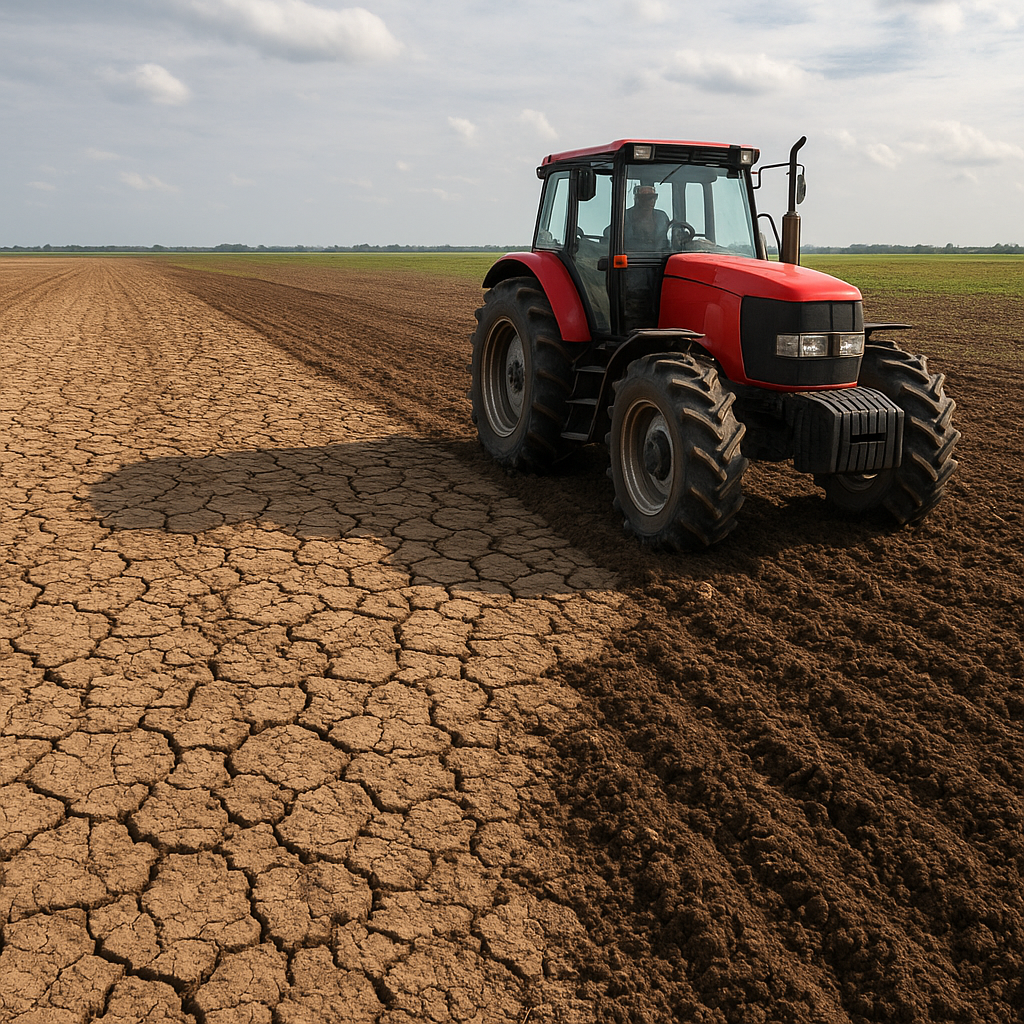
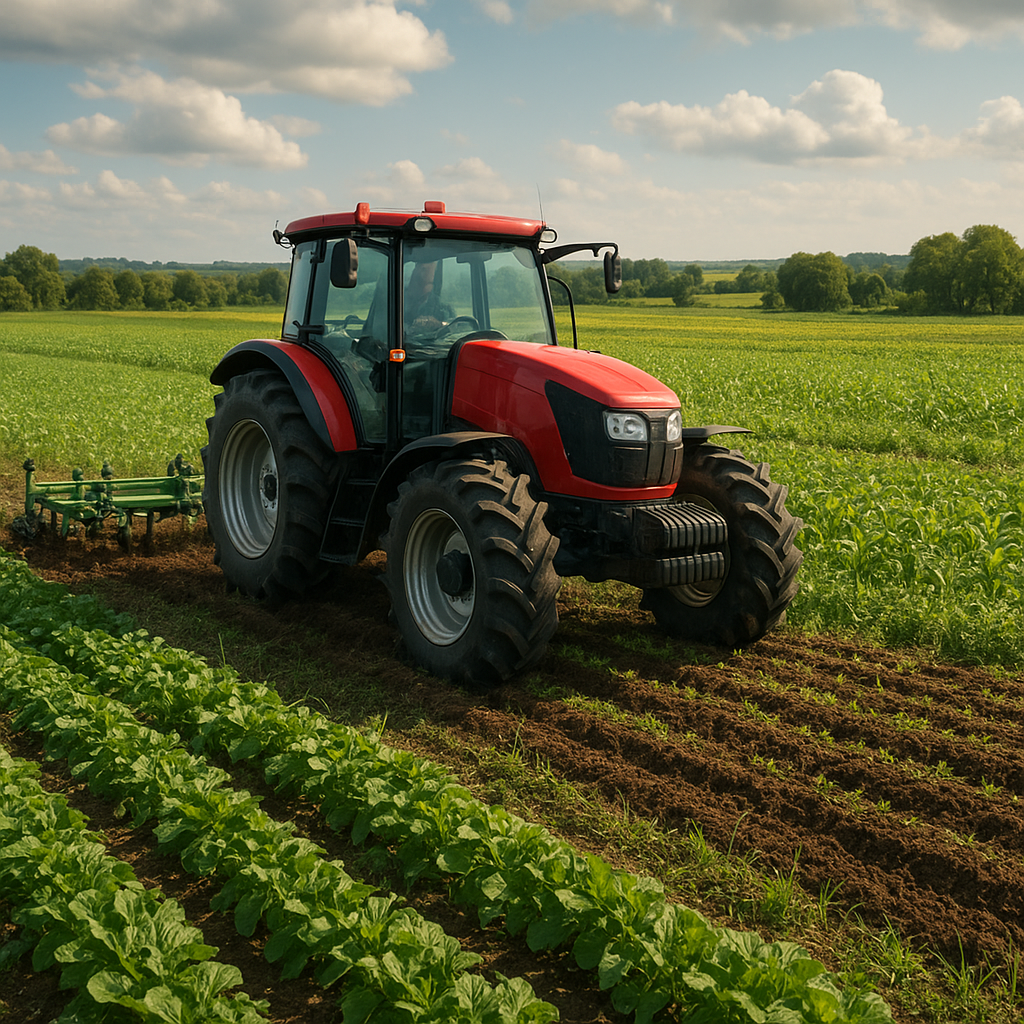
Maintaining soil health is critical for long-term yields and ecosystem services. Heavy equipment compaction can damage soil structure, reduce infiltration, and impair root growth. To address these issues, farmers adopt reduced-till or no-till systems, made possible by specialized narrow tractors that minimize ground pressure. Controlled traffic farming further confines wheel paths, preserving the bulk of the field for optimal plant development.
Controlled Traffic Farming
- Restricted compaction zones for better aeration
- Enhanced water retention and drainage
- Reduced fossil fuel consumption per hectare
- Improved uniformity of crop emergence
By combining variable-rate seeding and real-time nutrient mapping, modern tractors deliver seeds and fertilizers precisely where needed. These practices elevate productivity while conserving resources, proving the multifaceted contributions of tractors to sustainable cropping systems.
Reducing Emissions and Improving Fuel Efficiency
Tractor engines account for a notable share of on-farm energy use. To curb greenhouse gas emissions, manufacturers have introduced tiered emission controls, selective catalytic reduction (SCR) systems, and diesel particulate filters (DPF). Concurrently, advances in engine design and cooling systems enhance fuel efficiency, yielding higher torque at lower rpm settings and cutting consumption by up to 15% in some models.
Alternative fuels like biodiesel, hydrotreated vegetable oil (HVO), and renewable diesel offer pathways to lower carbon footprints. Hybrid drivetrains combine electric motors with traditional engines for peak-load support, while fully electric prototypes demonstrate the potential for zero-tailpipe operations on smaller workloads. These developments align with global goals to transition agriculture toward low-carbon futures.
Precision Agriculture and Automation
Digital tools are redefining how tractors interact with the landscape. Thanks to advanced software suites, farm managers can set up geofences, define work zones, and schedule tasks remotely. The adoption of precision agriculture practices involves variable-rate technology, yield monitoring, and advanced analytics. This data-driven approach reduces overlap, curbs input waste, and enhances decision-making agility.
Meanwhile, robotic platforms equipped with lidar, cameras, and machine-learning algorithms are moving toward fully automation. These vehicles can perform seeding, weeding, and harvesting operations autonomously under human supervision. The gradual shift from driver-assisted to driverless tractors promises to alleviate labor shortages and improve safety by limiting human exposure to hazardous chemicals and challenging conditions.
The Future of Sustainable Tractor Design
Continued innovation will shape tomorrow’s agricultural machinery. Engineers are exploring modular attachments powered by smart batteries, hydrogen fuel cells, or solar arrays mounted on trailers. Such renewable energy integrations could allow machines to recharge in the field, reducing downtime and dependence on fossil fuels. Connectivity improvements will facilitate fleet coordination, enabling swarms of smaller units to work cooperatively on large farms.
Beyond powertrains, future designs will emphasize materials with low embodied energy, recyclable components, and predictive maintenance through artificial intelligence. As climate variability intensifies, adaptable machinery—capable of switching implements, adjusting row spacing, and optimizing traction—will be crucial for resilient crop production. By aligning mechanization with ecological principles, tractors will continue to play a leading role in crafting a sustainable agricultural landscape for generations to come.